 Find my pro
AC keeps tripping the breaker in Birmingham, AL
A Jefferson County pro who repairs air conditioners gets your request.
A breaker that trips once is worth a guess. One that trips every time the AC kicks on, or every afternoon when it's hottest, is telling you something specific. It's not being careful. It's protecting the wire from a load it isn't rated for, and that load is coming from somewhere in the system.
In Jefferson County, this shows up most in July and August, when the compressor runs longest and hardest to keep up with the heat. A unit that's been drawing a little too much current all along finally gets pushed past what the breaker will allow. That's not bad luck. It's the system telling you where the weak point is.
Running the AC with a breaker that keeps tripping isn't a safe way to wait it out. Each trip is the panel doing its job, and forcing it to do that job over and over, on a system that keeps pulling too much power, is how wires and connections get damaged. With power costs what they are here, a unit drawing more than it should is also costing more than it should, breaker trips aside.
Figuring out whether this is the capacitor, the compressor, a loose connection, or something in the wiring to the unit takes someone who can test it, not guess at it. That's the next step here. Answer a few questions about your system and your breaker panel, and you'll be matched with a contractor who works in the Birmingham area and knows this kind of problem. They'll reach out to you directly.
Once that's sent, you're not the one tracking down who's available or who answers the phone. That part moves to someone else. You'll still want the AC looked at soon, especially with the heat holding on through the afternoons, but finding the right person for it is no longer sitting on your list.
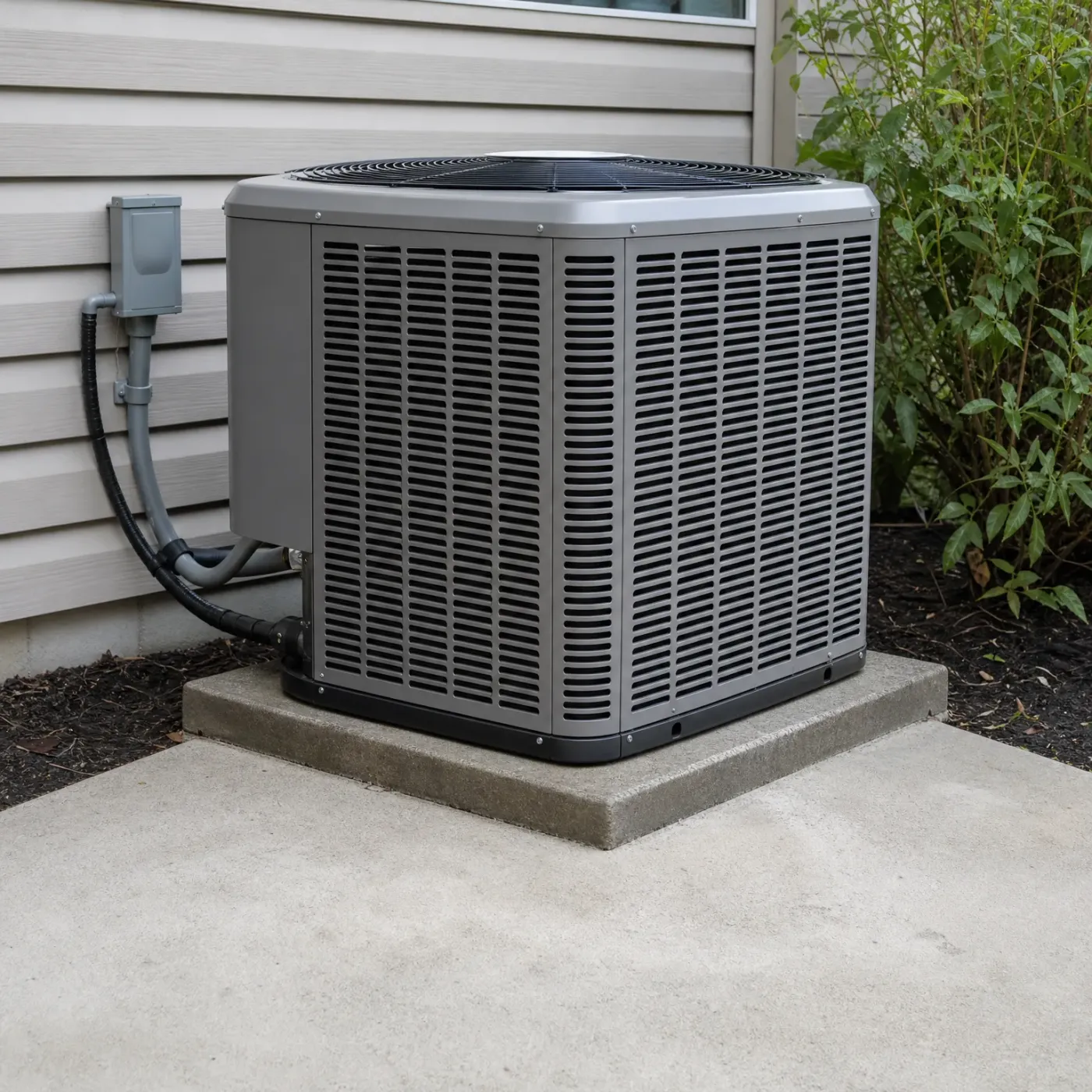
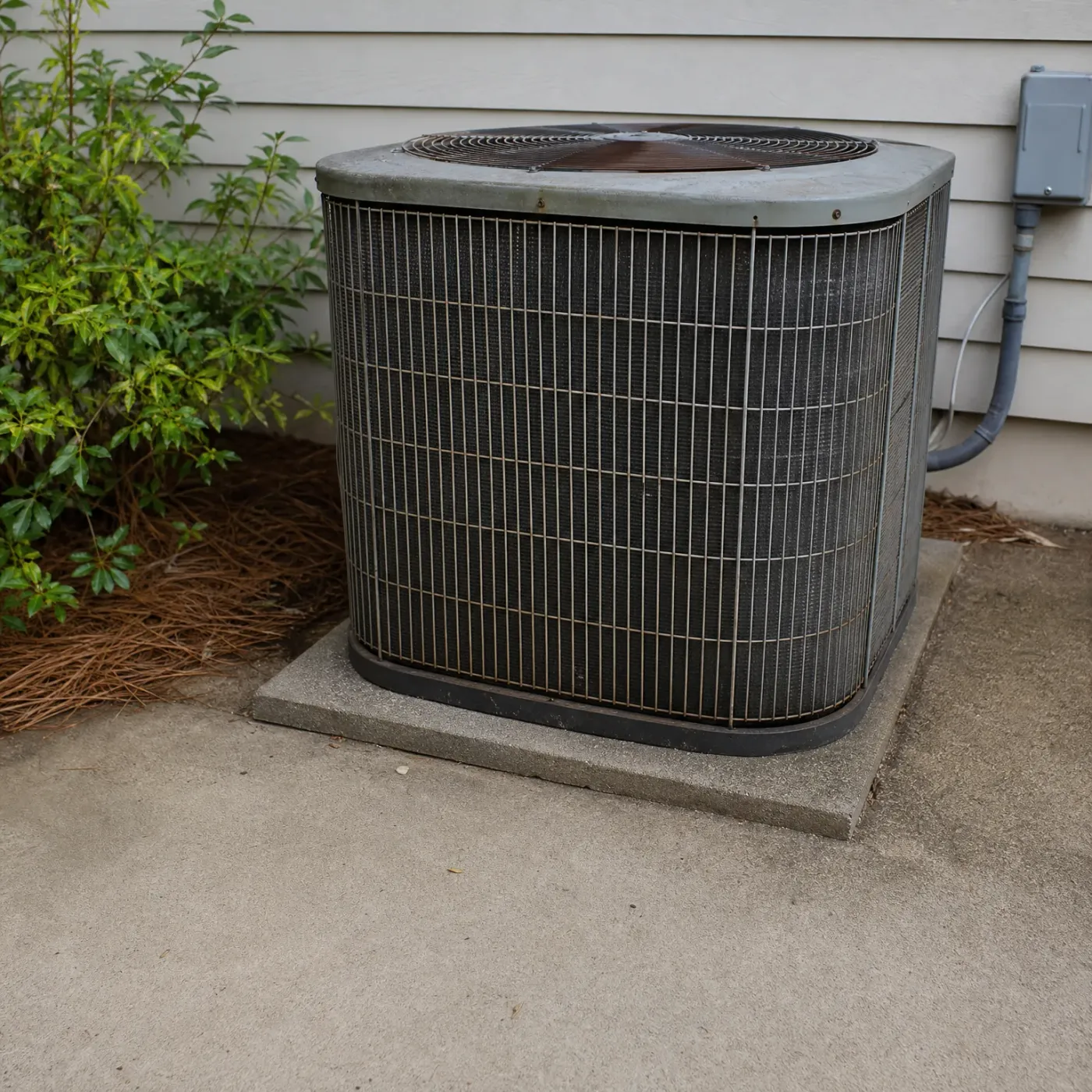
A breaker that trips when the AC starts, or trips a few hours in once the afternoon heat sets in, usually means the compressor or the fan motor is pulling more current than the breaker allows. That can come from a failing start capacitor, a compressor that's working too hard because the refrigerant charge is off, or a motor winding that's breaking down. It can also mean the breaker itself has worn out from years of heat cycling and no longer holds its rated load. Either way, the panel is doing its job. It senses a draw it isn't built for and cuts power before a wire overheats. Running the AC by resetting the breaker again and again doesn't fix what's pulling the extra current, and it puts more strain on a system already working past what it should. In Jefferson County, with the unit running most days from spring into fall, that strain adds up fast once something inside the system has started to fail.





What a tripped breaker is doing to your house right now
Every time the breaker trips, the air stops moving and the house starts picking up heat again. In a Jefferson County July that happens fast. If the trips keep stacking up through the afternoon, you're looking at a bedroom that never gets below 80 by the time anyone goes to sleep, and a unit that's working harder each time it restarts trying to catch back up.
Resetting the breaker and hoping it holds isn't fixing anything. It's a wire protecting itself from a draw it wasn't built for, and that draw doesn't go away on its own. Once you share what's going on, a contractor who takes on jobs like this one in the area will reach out directly, so you're not the one tracking down who's free and who isn't while the house sits warm.


Why a breaker is rated at all
A breaker is sized to the wire it protects, not to the AC itself. Run a 30 amp breaker on a circuit that calls for less, and it will hold even when the compressor is struggling. Run one that's undersized or weakened with age, and it trips before the wire ever gets hot. That's the point of it. It's cutting power before the wire inside your wall does.
What a hard start pulls
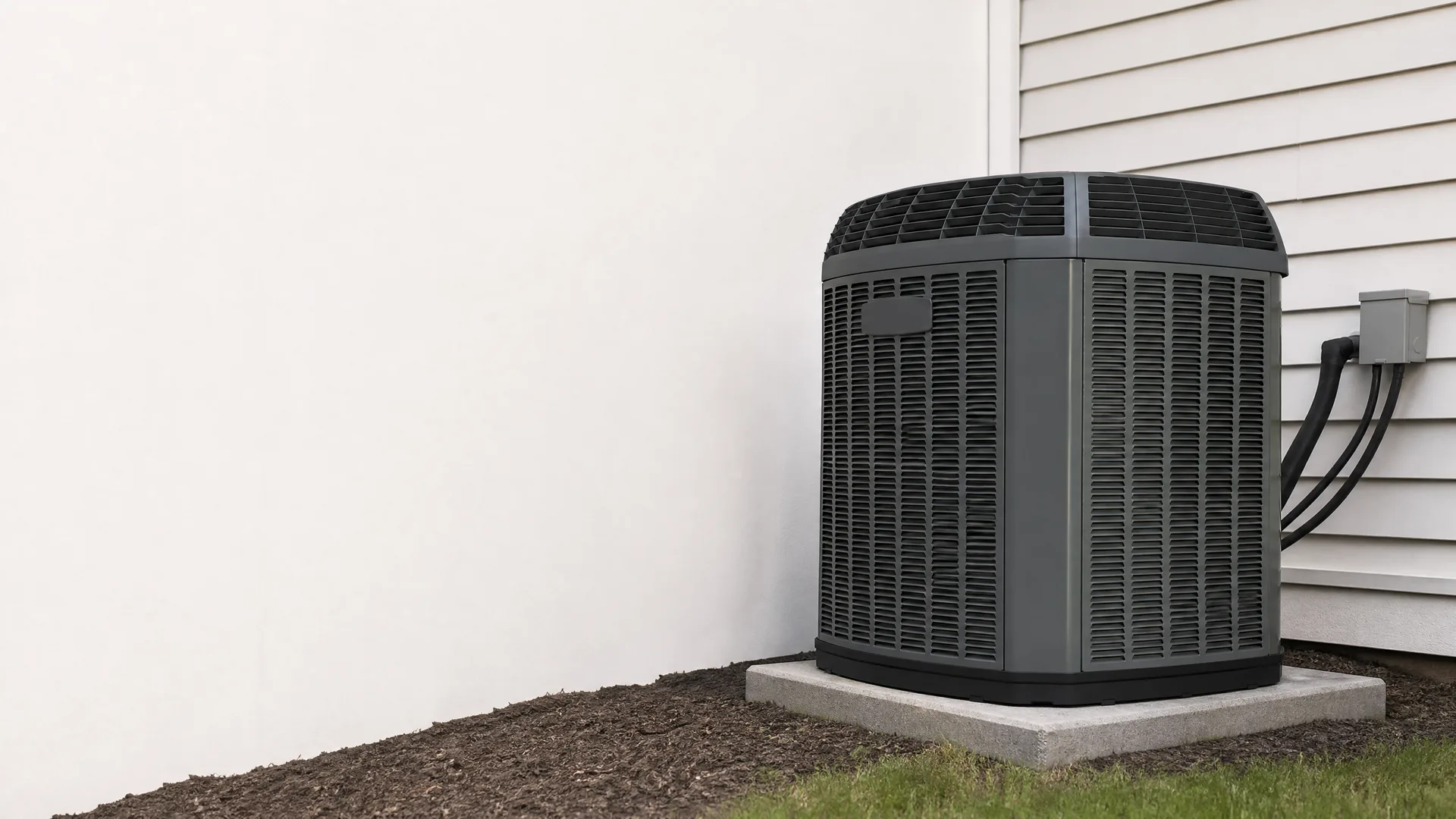
Every time the compressor kicks on, it draws several times its normal running current for about a second, then settles down. A healthy start capacitor gets it through that second fast. A weak one stretches it out, and a breaker sized for the normal draw sees that stretch as an overload. This is why the trip happens right at startup, not ten minutes into the afternoon.
Is it safe to just keep resetting the breaker?
Is it safe to just keep resetting the breaker?
No. Each trip is the breaker doing its job, and flipping it back doesn't fix what made it trip
A breaker trips to stop current before it heats the wire past what it can handle. Reset it and send the AC right back to pulling the same high current, and you're asking a safety device to keep absorbing a problem instead of letting someone find it. Do that enough afternoons in a row and you risk wearing down the breaker itself, or worse, damage further up the circuit. If it's tripping once a season, that's one thing. If it's tripping every time the compressor kicks on through a hot Jefferson County afternoon, that's a pattern worth having a contractor look at before you reset it again.
Find an air conditioner repair pro in Jefferson County
Send the request today and let an air conditioner pro reach out to you.
Get matched with a pro who fixes air conditioners in Jefferson County.
There's no charge for the request.
What have you noticed about your own breaker panel
Walk past the panel and you already know the pattern. Maybe it's the same breaker every time, warm to the touch when you reset it. Maybe the AC runs fine in the morning and starts tripping once the house hits its hottest point in the afternoon. You might hear the compressor hum or click right before it cuts out, or notice the fan outside has stopped turning. Some houses show a burning smell near the panel, which means the wire or the breaker itself is heating up more than it should. If you've been resetting it two or three times a day just to keep the air moving, the parts inside the unit are working harder each time, and that strain doesn't reverse itself.
Jefferson County summers carry a dew point that averages 68°F across June, July and August, the figure NOAA uses to mark genuinely muggy air. Your AC isn't just lowering the temperature on days like that. It's wringing a lot of water out of the air to keep the house from feeling swampy, and that work falls on the compressor. A compressor already under strain from a weak capacitor or a low charge has to lean harder into that humid air than it would on a dry 90 degree day out west. That's extra current pulled through the same wire, and it's often why the breaker trips in the thick of a muggy afternoon instead of first thing in the morning.
NASA POWER T2MDEW


A breaker that trips once
A single trip on the hottest day of the year might just mean the grid was strained and the compressor caught a bad moment starting up. Reset it, watch the unit run a full cycle, and if it holds through the next few hot afternoons, that one trip probably isn't the start of a pattern. It happens sometimes without meaning the system is failing. The test is what happens next, not the one event itself. If the breaker holds steady through the next stretch of 90-degree afternoons in Jefferson County, there's not much to chase down.
A breaker that trips again
A second trip within the same week, or a trip that lines up with the same time every afternoon, is a different situation. That's a pattern, and a pattern means something in the system is drawing more current than it should every time it runs, not just under one set of unlucky conditions. Waiting to see if it happens a third time just means a third afternoon with no cool air while the house heats back up. At that point the breaker isn't reacting to bad luck. It's reacting to a load that's there every time the compressor starts, and it will keep tripping until that load is found and fixed.
Cooling runs May through September
Five months of that load, May through September, is a lot of starts and stops for one breaker to sit through. If a capacitor or motor is already marginal, it's this stretch of the year that finds it, not March.
NOAA nClimDiv 1991-2020
What the breaker has been telling you
- A breaker that trips every time the AC starts is sized correctly and reporting a real overload, not a weak link in the panel.
- The cause sits in the unit itself, most often a failing start capacitor, a struggling compressor, or a motor drawing more current than it should.
- Resetting the breaker without finding the cause lets the same overload happen again, and each trip is the wire being saved from heat it can't take.
- A contractor can test the capacitor, the compressor, and the wiring in one visit and tell you which one is pulling too much current.
- Once you send the form, a contractor who covers Jefferson County takes it from there, and the search for who to call is off your plate.
- The breaker already told you something is wrong; the only question left is which part, and that's a quick check for someone with a meter.
The pattern is the diagnosis. A breaker that holds all morning and trips once the afternoon heat builds isn't failing at random, it's responding to a load that's grown past what the wire can carry. That load lives in the unit, not the panel. A start capacitor loses its charge over time and makes the compressor work harder to get moving. A compressor nearing the end of its life draws more current just to keep running. A fan motor with worn bearings pulls harder than it used to. Any one of these shows up as the same trip, at the same point in the cycle, through a Jefferson County summer that asks the system to run for five straight months.
Resetting the breaker gets the air moving again for a while, but it doesn't touch whatever is pulling that extra current, so the next hot afternoon brings the same trip. A contractor with a meter can tell in one visit whether it's the capacitor, the compressor, or the wiring itself, and that's the difference between guessing and knowing.
Once the form is sent, the job of figuring out who to call and when they can come stops being yours. A contractor who works in Jefferson County takes it from there. The breaker already did its part. The next part is finding out which component it was protecting the house from.
The right pro for this job