

Keep running it
A loose panel or a mild rattle rarely causes harm over another day or two. You lose some sleep over the noise, not the system.
Send the request today and let an air conditioner pro reach out to you.
Hand it overA loud noise from the outdoor unit or the air handler usually means something has worked loose or is starting to fail. With Jefferson County summers running long and the system cycling for months at a stretch, parts that rub, wobble, or strain get noisier before they quit. The sound itself is a clue, and knowing what kind you're hearing points to what's wrong.
A rattle usually means a panel, screw, or bit of debris has worked loose in the outdoor unit. A high-pitched squeal points to a fan motor bearing wearing out. Banging or clanking inside the unit often means a part has broken free and is hitting the fan blade. A hissing sound can mean refrigerant is leaking, and a bubbling or gurgling sound can mean the same thing. None of these get quieter on their own, and running the system while a motor bearing fails or refrigerant leaks out usually turns a repair into a bigger one. With Birmingham summers keeping the unit running for months at a time, a noise that starts in June won't wait until fall to get worse.
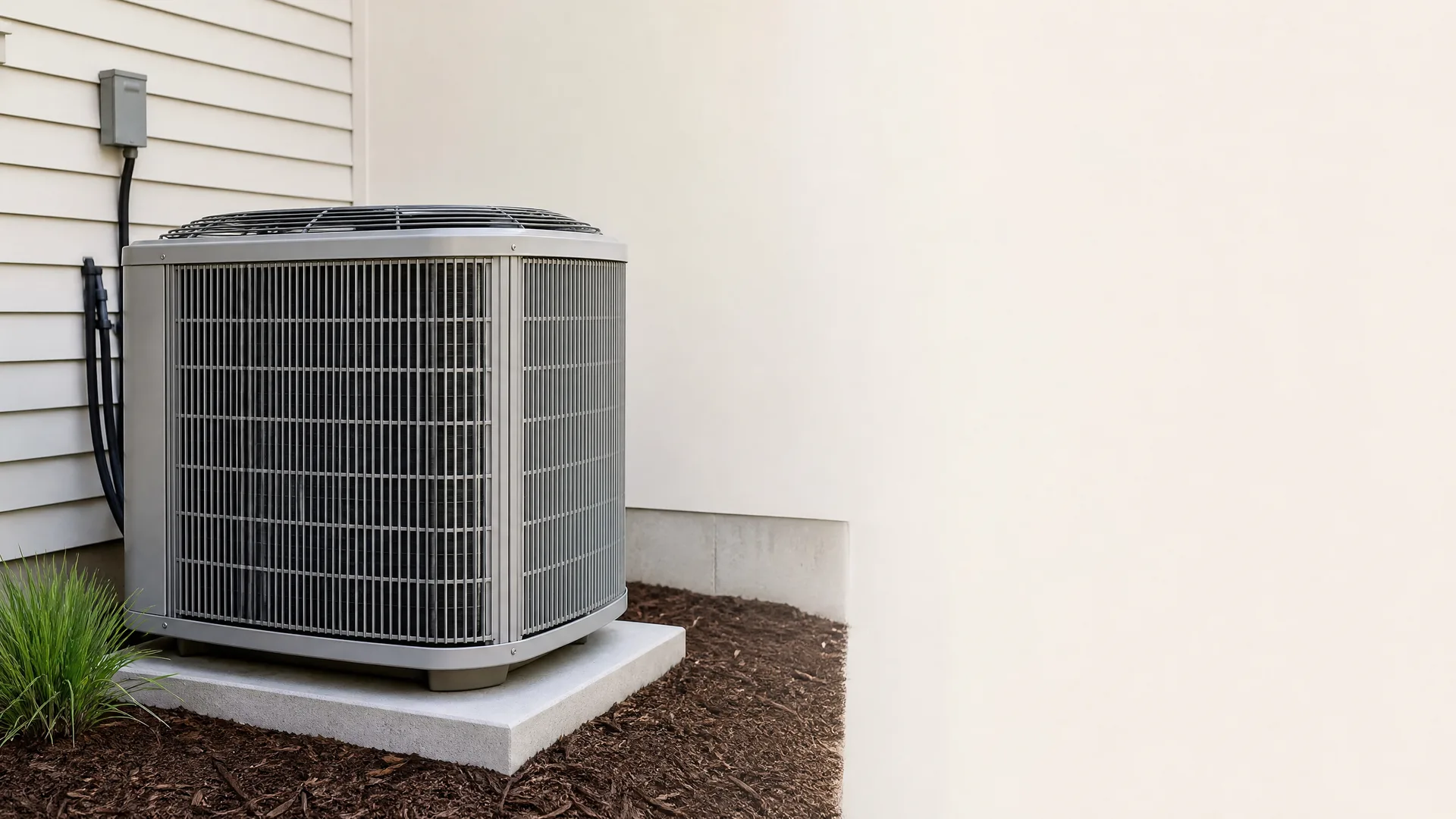
A rattle usually points to a loose panel, a fan blade hitting something, or a bracket that has shaken loose from months of running. A bang or a metallic clang when the system starts or stops often means a part inside the compressor has broken or come loose, which is a different repair than a panel screw working its way out. The sound itself narrows down where a contractor will look first.
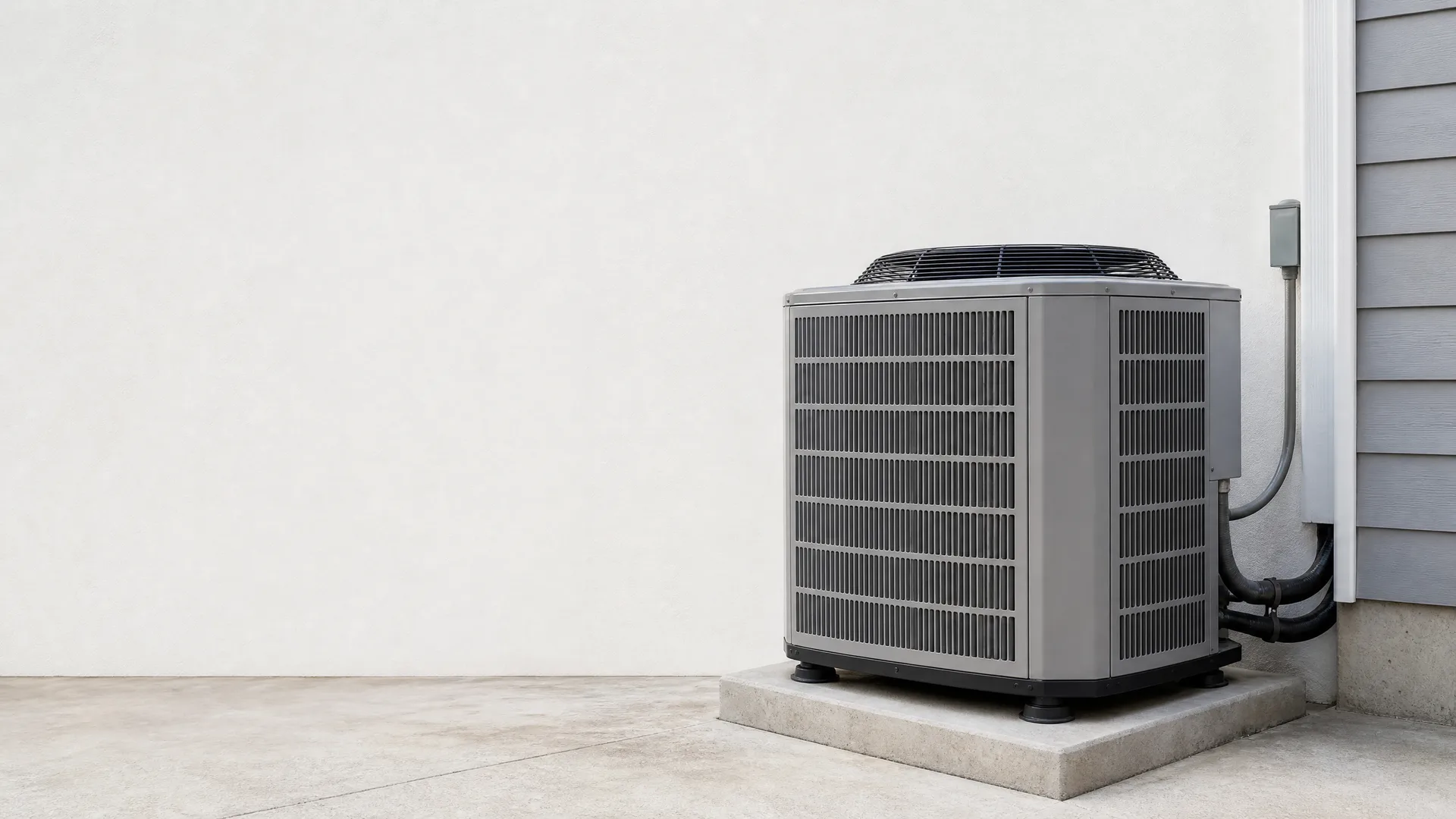
Jefferson County summers push an AC through long stretches where it barely shuts off, sometimes running most of the day when it is hot. That kind of runtime puts steady vibration on screws, mounts and fan blades that a system used only a few weeks a year would never see. A noise that shows up in July often traces back to a part that loosened gradually over many cycles rather than one that failed all at once.
You might hear it from the kitchen or notice it the second you step outside: a rattle that starts when the unit kicks on, a bang when it shuts off, or a squeal that rises and falls. Some of these you feel more than hear, like a vibration through the wall where the line set runs. Left alone, a loose part wears against whatever it is hitting until it breaks something else, and a failing motor or compressor part can take the whole system down with it, usually on one of the hundred-degree afternoons when you need it most. The noise is the system telling you something before it quits telling you anything at all.




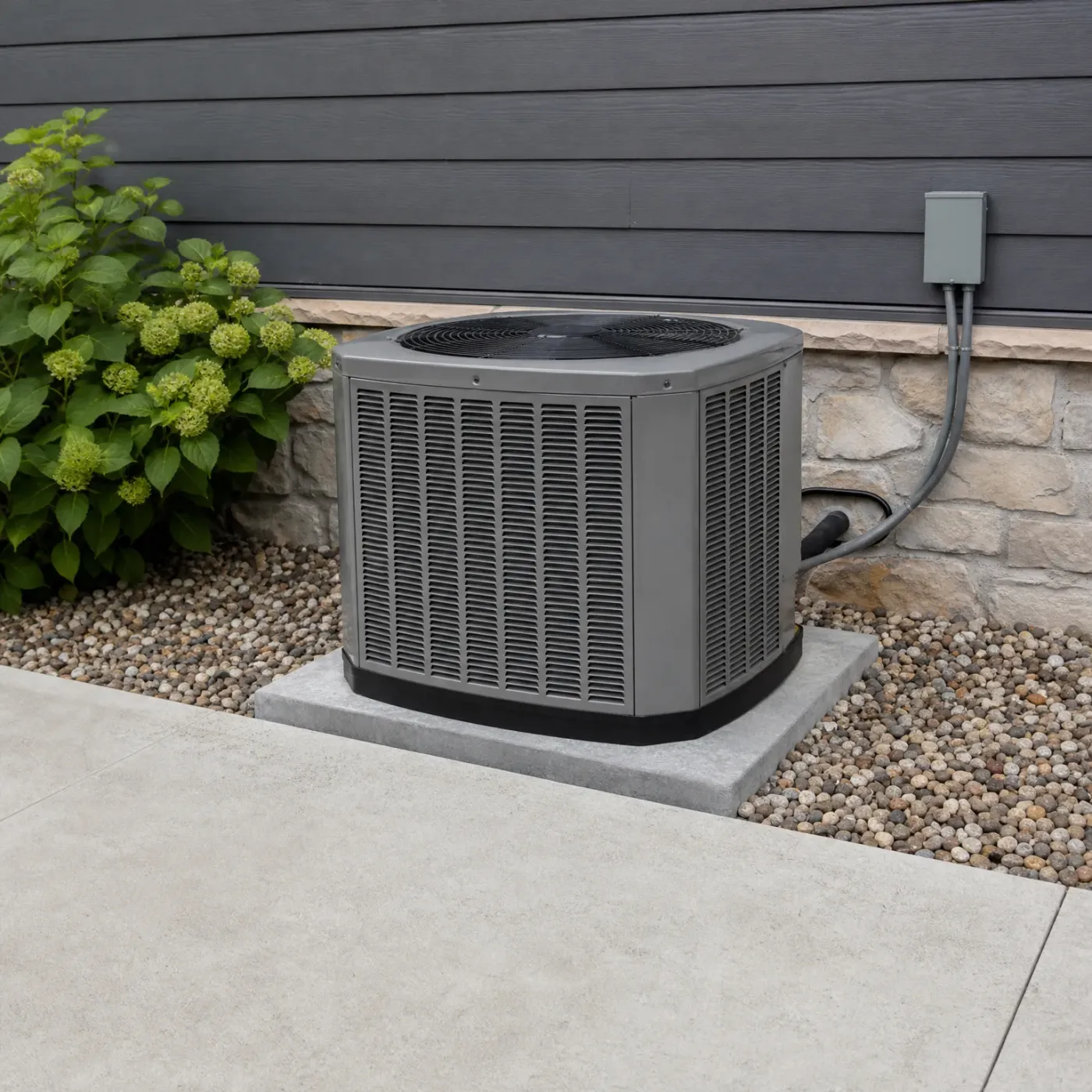
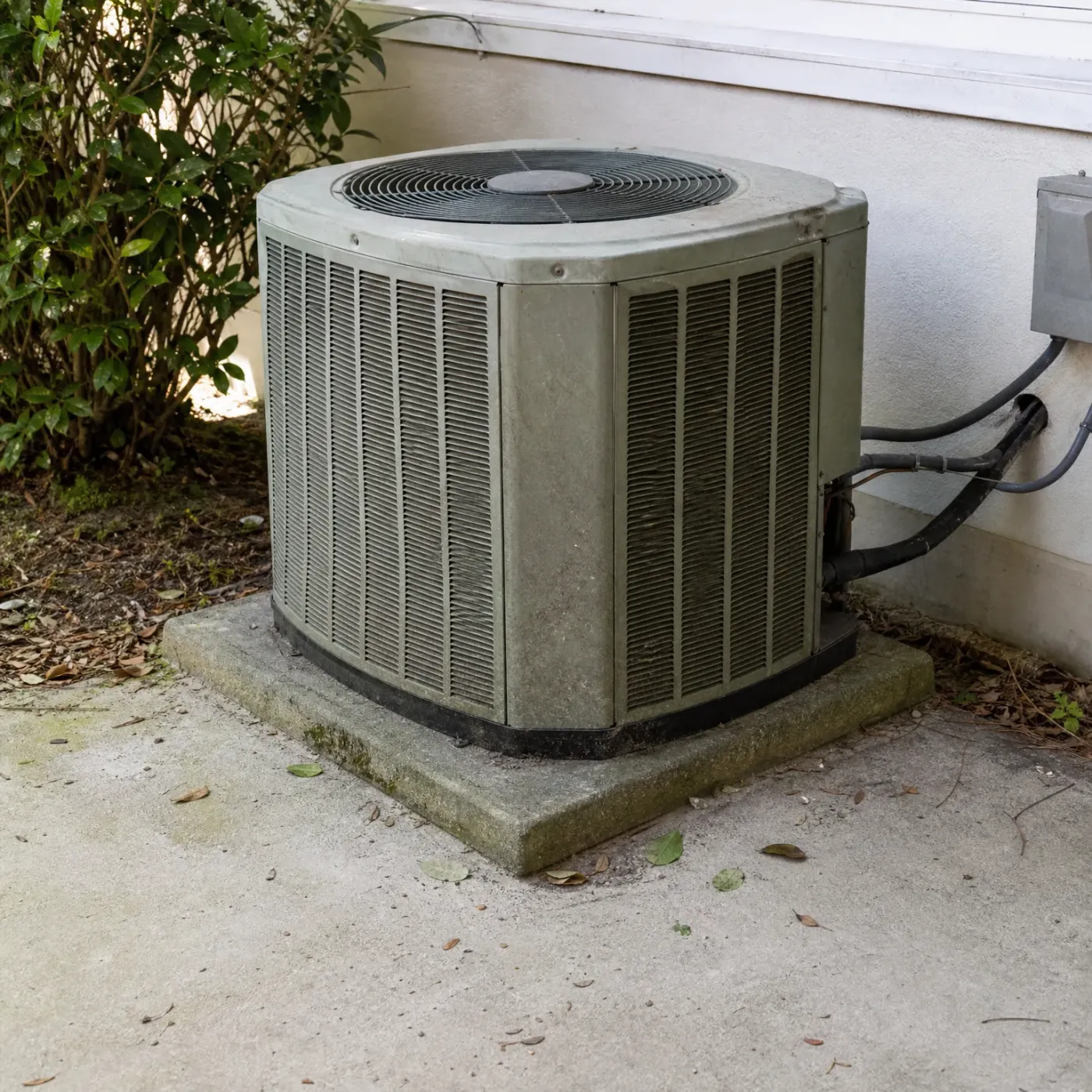
Jefferson County summers carry a dew point around 68°F for June, July and August, according to NOAA climate data. That is heavy, sticky air, the kind that makes a window unit sweat and your outdoor condenser run close to nonstop to pull the moisture out along with the heat. A system working that hard for months will wear on its mounts and fan blades faster than one that gets real breaks. Loose parts don't quiet down on their own. Once you send in the details about the noise you're hearing, a licensed contractor local to the area, one who works on these systems all summer and knows what tends to give out first, takes it from there. You stop chasing down who to call and just wait to hear from someone who already knows the territory.
NASA POWER T2MDEW
A licensed pro who repairs air conditioners in Jefferson County gets your request.
No fee to send it, and nothing to sign.
A rattle or a mild hum usually does no harm if you run the system another day or two while you wait on someone to look at it. The cabinet is loose, or a blade is clipping something plastic, and neither gets worse by the hour. You lose nothing by keeping cool through one more muggy Jefferson County afternoon. A grinding, screeching, or a hard metallic bang is different. That sound means metal on metal, or a motor bearing seizing up, and every hour you run it after that is an hour closer to a part that can't be repaired, only replaced.
Some noises come and go with the weather and never amount to much. A panel rattles on the hottest days when the unit runs longest, then goes quiet once it cools off at night. If that's what you're hearing, it's reasonable to keep an eye on it. But a noise that is new, that started this week and wasn't there last summer, usually means a part shifted or wore through faster than it should have. A local contractor who works on these units all season knows the difference by sound alone, and can tell you in one visit whether it waits or whether it's tonight.
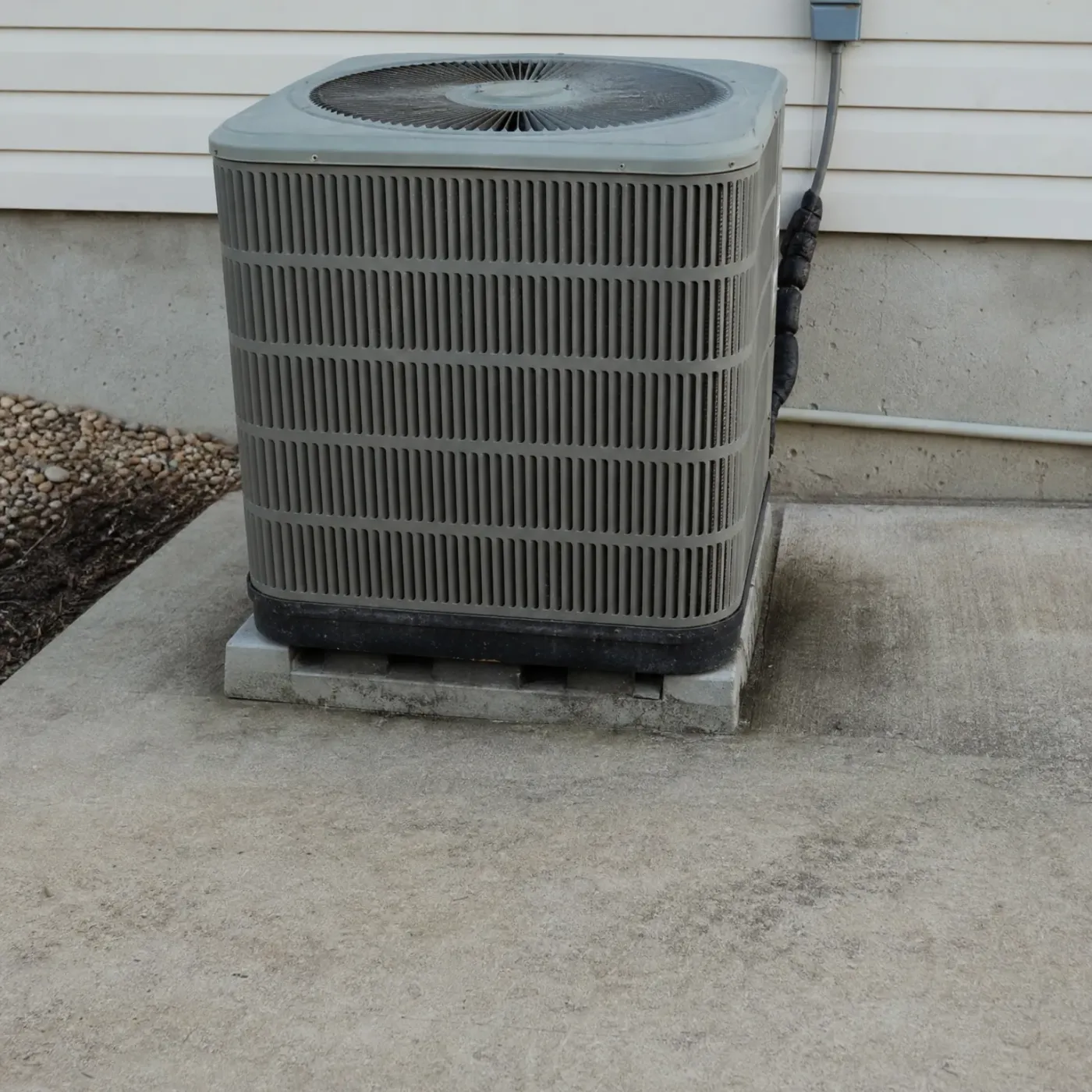
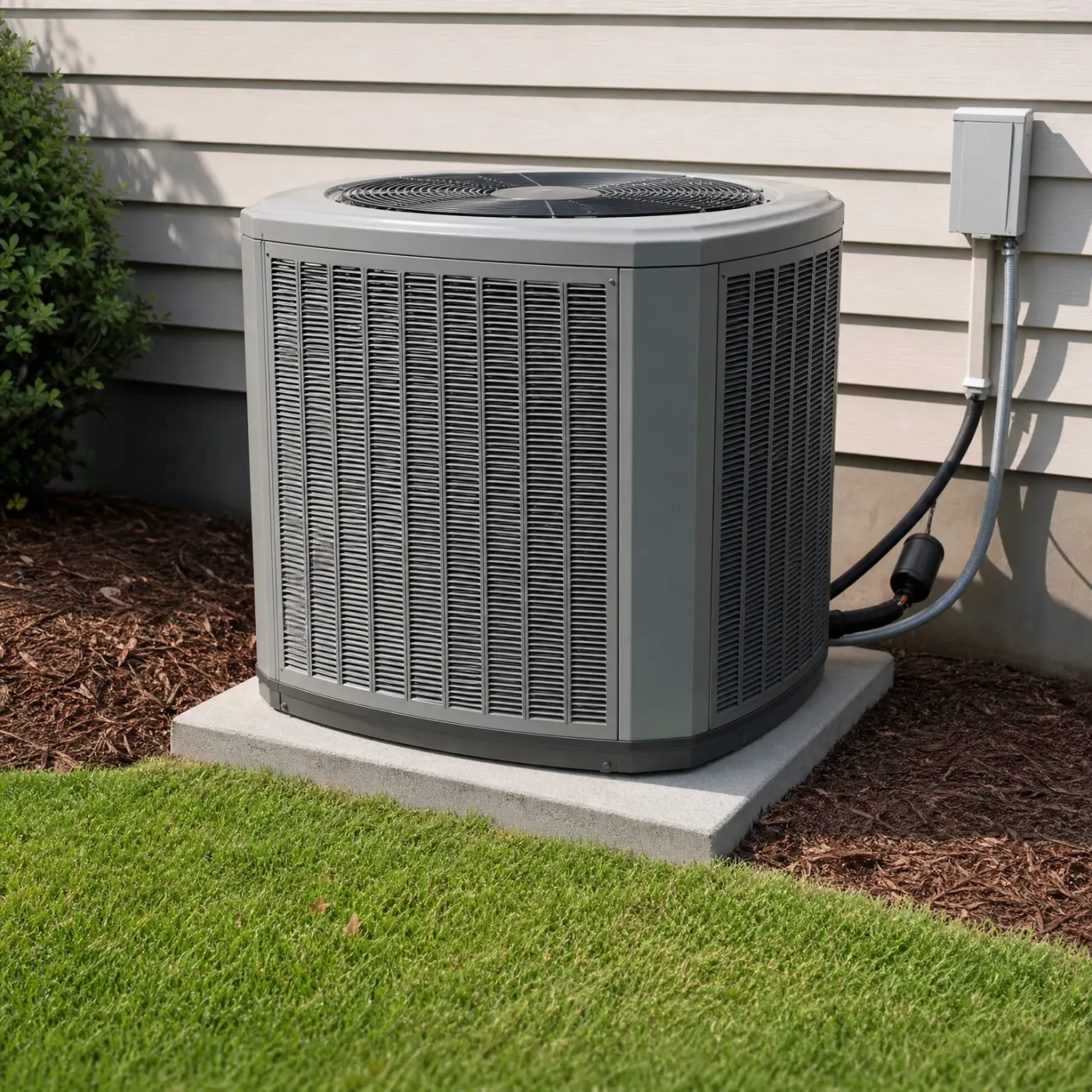
The outdoor unit is simple inside. A compressor, a fan motor, and a run capacitor that gets the fan spinning, plus a contactor that closes each time the compressor starts. Most noises come from one of those. Vibration works screws loose over a summer of running, and a fan shroud with a loose screw buzzes against the cabinet every cycle. A run capacitor that's starting to fail makes the fan motor work harder, and you'll hear that as a hum that gets louder in the weeks before the motor quits moving air at all. The contactor is small, but a worn one chatters audibly every time it closes, which is every time the compressor kicks on. Inside, the coil can hiss if the system's charge has dropped, and that same low charge usually means the house isn't cooling like it should. A fan blade only needs to clip the shroud once for it to turn into a clicking that repeats on every rotation after that.


A loose panel or a mild rattle rarely causes harm over another day or two. You lose some sleep over the noise, not the system.
A grinding, squealing, or metallic clanging sound means something is already wearing on itself. Running it longer turns a repair into a bigger one.
Five months of that is a lot of hours on a fan motor or a loose panel to keep rattling before anyone notices. A noise that shows up in May often just gets louder by August if nothing's done about it.
NOAA nClimDiv 1991-2020
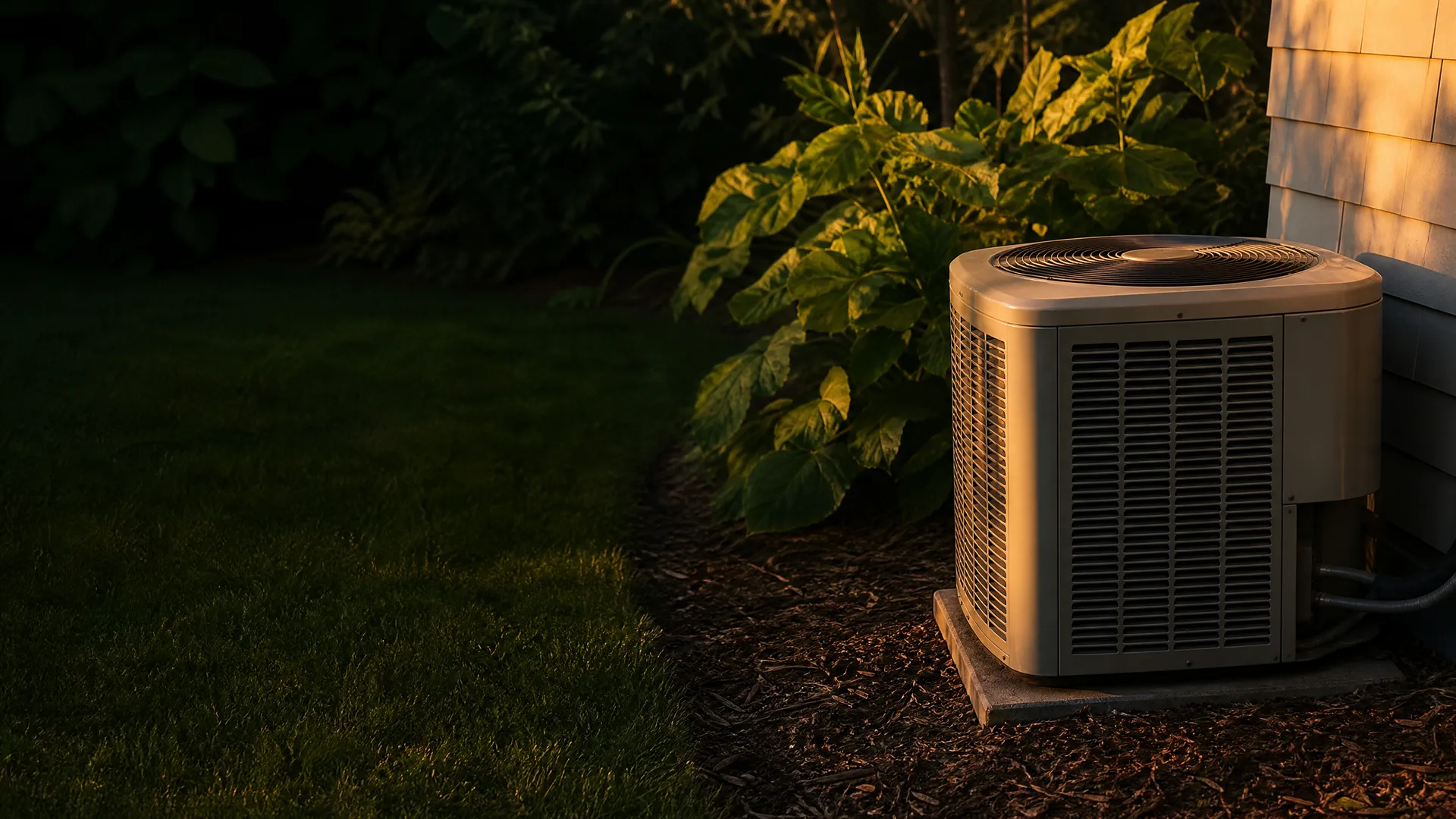
The sun is low enough to turn the yard gold, and the cicadas haven't let up since six. You're out back with the hose, same as most August evenings, when you notice the condenser isn't humming the way it usually does. You walk over and see the fan behind the grille sitting still while the unit buzzes like it's trying to run anyway. Inside, the air through the vents feels warmer than it should for a house that's been closed up and cooling since noon. Jefferson County air this time of year doesn't forgive a system that stops pulling its weight, and you can feel the house already starting to catch up to the evening heat.
A loud noise from your AC is the system telling you a part has loosened, worn, or started to fail, and the sooner it gets looked at, the less likely it is to leave you without cooling on a hot night. Most of what's behind these noises, a screw, a bracket, a capacitor, a motor bearing, is something a technician who works on these systems all summer in Jefferson County has seen plenty of times before and knows how to check fast. Send in a request and you're matched with one licensed local contractor, not a handful of companies competing for your callback, so you're dealing with one person who shows up knowing what you told them and what usually goes wrong with a unit like yours this time of year. From there, finding help stops being something you have to manage. You already know what the noise is telling you. What's left is getting someone out to fix it before August makes it worse.

One request and it's handed off