Tell us about the job
Takes about a minute. No obligation.
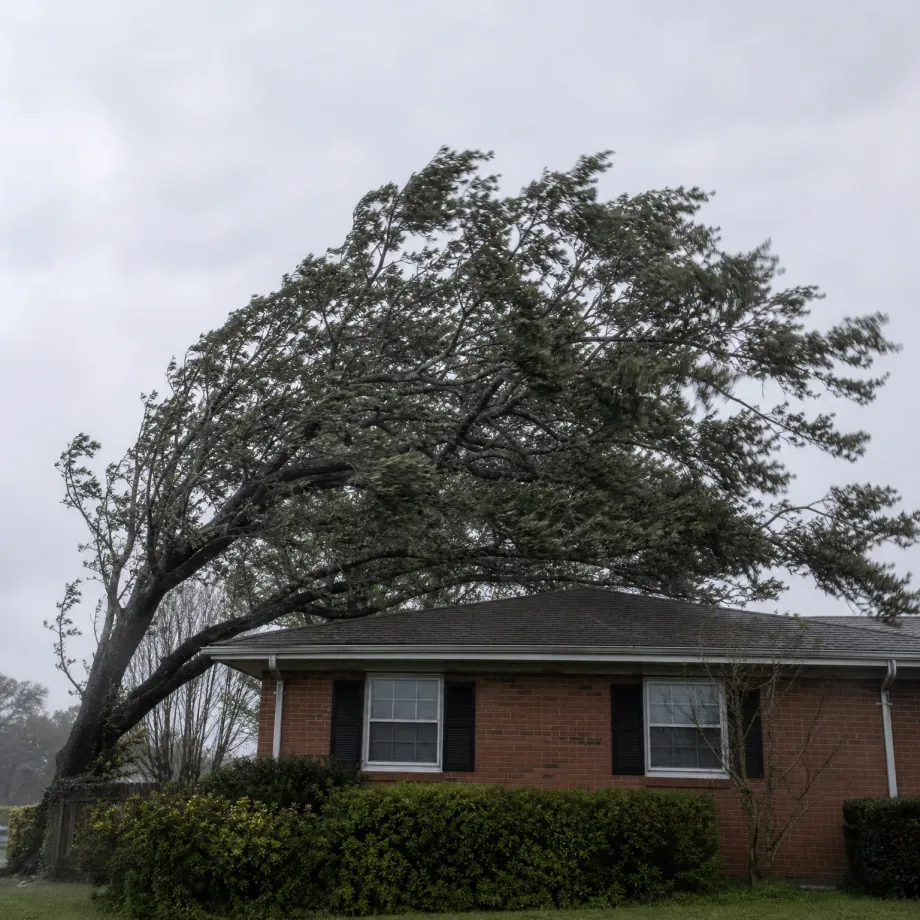
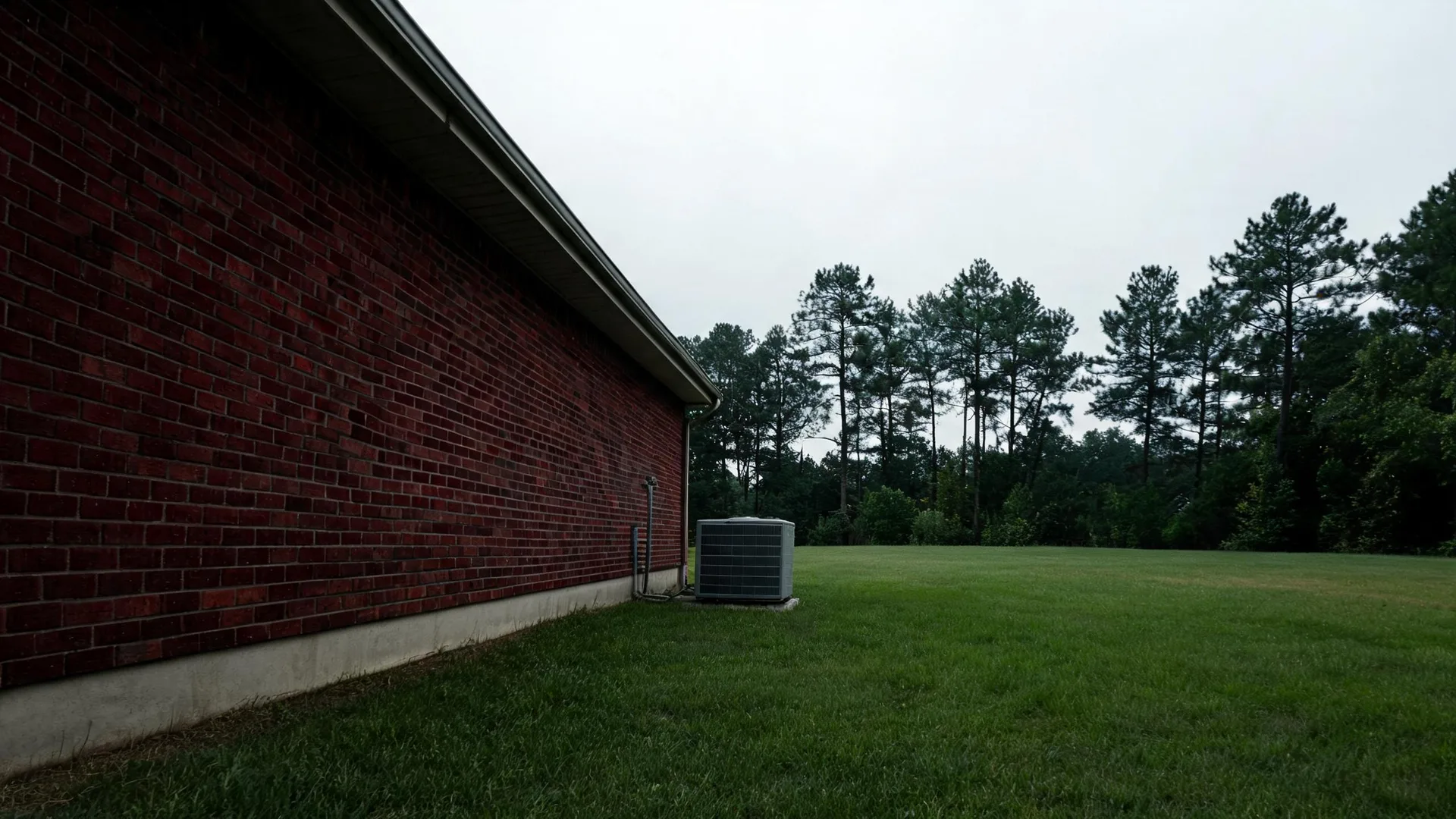
A contractor quoting a central AC repair in Marion County has to settle one question before anything else: what actually wore this equipment down. 99 severe weather events were recorded in Marion County, Alabama between 2015 and 2024. At that rate, severe weather is a real but ordinary part of life here, not a punishing one, so the compressor or contactor that failed almost certainly failed on its own timeline. Refrigerant lines degrade, capacitors weaken, and drain pans crack from years of cycling, not from an unusual burden the climate placed on them. That distinction sends the contractor toward the equipment's service history and installation quality before anything else.
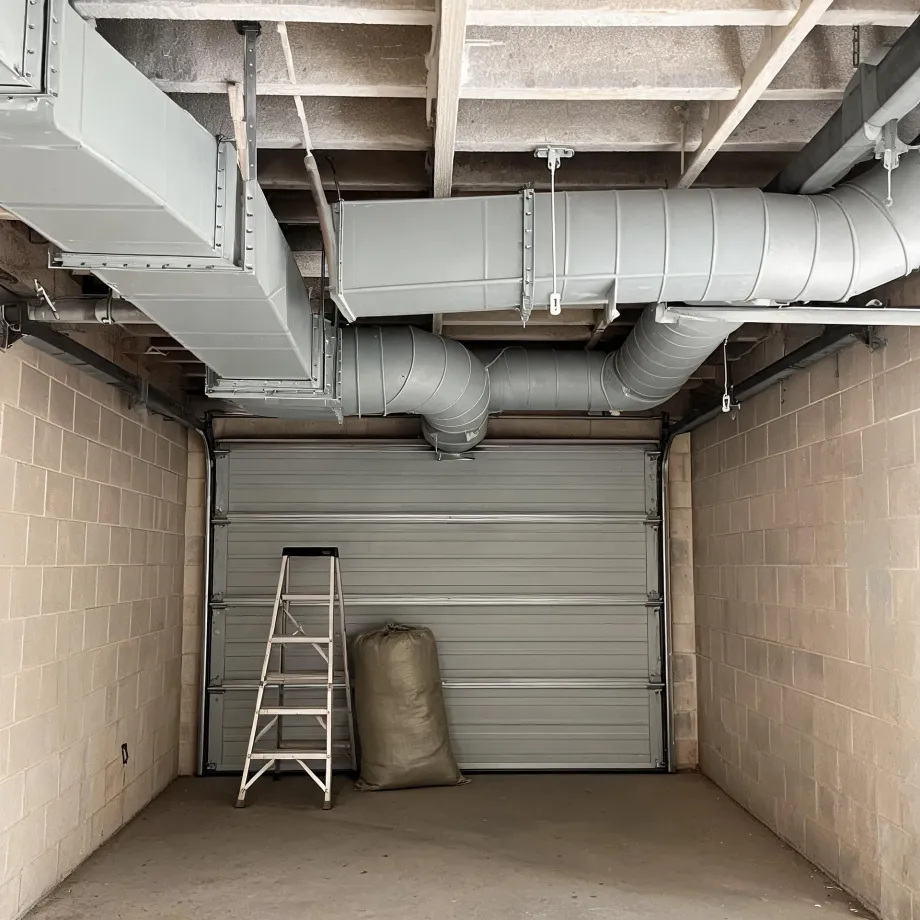
Half the homes in Marion County, Alabama were built in 1978 or earlier (2020-2024 ACS 5-year). A system that has run through that span of summers accumulates wear in its internal components, and what a contractor finds once the unit is open often includes parts that manufacturers have discontinued or supply only on a limited basis. That gap between what the system needs and what distributors carry is where repair jobs on houses like these get complicated and expensive. Refrigerant lines, contactors, capacitors, and blower motors specific to older equipment models can require sourcing from secondary suppliers, which changes both what the repair costs and how long the house goes without cooling.
The Parts of a Central AC a Contractor Checks First
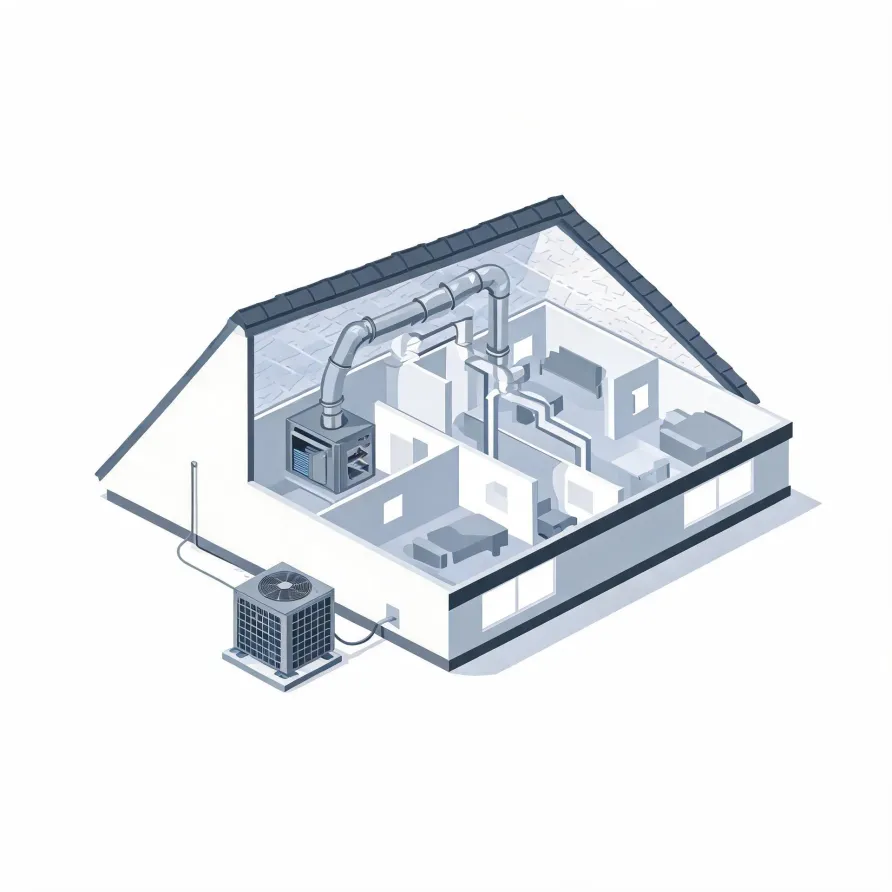
The outdoor condenser unit sits outside the house, usually on a concrete pad alongside the foundation, and it carries the compressor and the condenser coil. These are the pieces a contractor looks at early in a repair call. A failed compressor, a dirty or damaged condenser coil, or a refrigerant leak at the outdoor unit will stop cooling at the source.
Inside the house, the air handler holds the evaporator coil and the blower. The air handler is typically in a closet, attic, or utility room, and the evaporator coil sits within it where the supply air passes through. The thermostat on the wall ties the whole system together and is often where a contractor starts tracing an electrical or control fault.
The drawing shows the general layout of a central AC system, and a licensed contractor will determine which components and conditions apply to your specific house.
Get matched in Marion CountyMarion County, Alabama, by the numbers
99 severe weather events were recorded in Marion County, Alabama between 2015 and 2024.
NOAA National Centers for Environmental Information, Storm Events Database, bulk CSV export, events 2015-01-01 through 2024-12-31.Half the homes in Marion County, Alabama were built in 1978 or earlier (2020-2024 ACS 5-year).
U.S. Census Bureau, 2020-2024 American Community Survey 5-Year EstimatesMarion County, Alabama holds 14,220 housing units (2020-2024 ACS 5-year).
U.S. Census Bureau, 2020-2024 American Community Survey 5-Year EstimatesOwners occupy 76.8% of the occupied homes in Marion County, Alabama (2020-2024 ACS 5-year).
U.S. Census Bureau, 2020-2024 American Community Survey 5-Year EstimatesRules & Standards Behind Central AC Repair in Marion County, Alabama9 codes, laws & specs
What HVAC Repair Looks Like in Marion County
Split-system central air conditioners rated below 45,000 Btu/h manufactured on or after January 1, 2023 must meet a federal minimum of 13.4 SEER2.
Split-system central air conditioners rated at or above 45,000 Btu/h manufactured on or after January 1, 2023 must meet a federal minimum of 13.4 SEER2.
Split-system central air conditioners manufactured between January 1, 2015 and December 31, 2022 had to meet 13 SEER, the metric that preceded SEER2.
Single-package central air conditioners manufactured on or after January 1, 2023 must meet a federal minimum of 13.4 SEER2.
Space-constrained central air conditioners manufactured on or after January 1, 2023 must meet a federal minimum of 11.7 SEER2.
Federal efficiency standards for split-system central air conditioners and heat pumps are set on each certified combination of outdoor unit and indoor coil rather than on the outdoor unit alone.
Residential and light commercial air conditioning and heat pump systems assembled in the field, including mini-splits and unitary systems, may not be installed on or after January 1, 2025 using a refrigerant with a global warming potential above 700.
A field-assembled system whose specified components were all manufactured or imported before January 1, 2025 carries no installation compliance date under the refrigerant restrictions and may still be installed.
Licensing Rules for HVAC Repair in Marion County, Alabama
Alabama requires state certification to do heating, air conditioning and refrigeration contracting: nobody may advertise, bid, pull permits or do the work unless the person in responsible charge is a certified contractor.
Severe Weather Events in Marion County
Weather puts hours on HVAC equipment. Every surge, outage, or stretch of hard conditions that passes through Marion County is a load the cooling system absorbs, and that cumulative wear is what repair calls are made of.
99 severe weather events, 2015–2024. Source: NOAA National Centers for Environmental Information, Storm Events Database.