AC smells like burning in Mobile, AL

Step 1 of 3: Equipment

A burning smell from your AC usually means dust burning off a part that's just kicked on, or a wiring problem that needs attention now, not later. If it only lasts a few minutes after the system starts up, especially after it's been off a while, that's often just dust on the heat strips or coil burning away and it should clear up. If the smell keeps up, or it smells sharp like an electrical fire rather than dust, that points to a motor overheating, a frayed wire, or a failing capacitor, something drawing too much current and heating up insulation or plastic near it. In Mobile's humidity, electrical connections corrode faster, and corrosion adds resistance that makes parts run hot. If you catch a burning smell that doesn't fade, shut the system off at the thermostat or breaker and have it looked at before running it again.

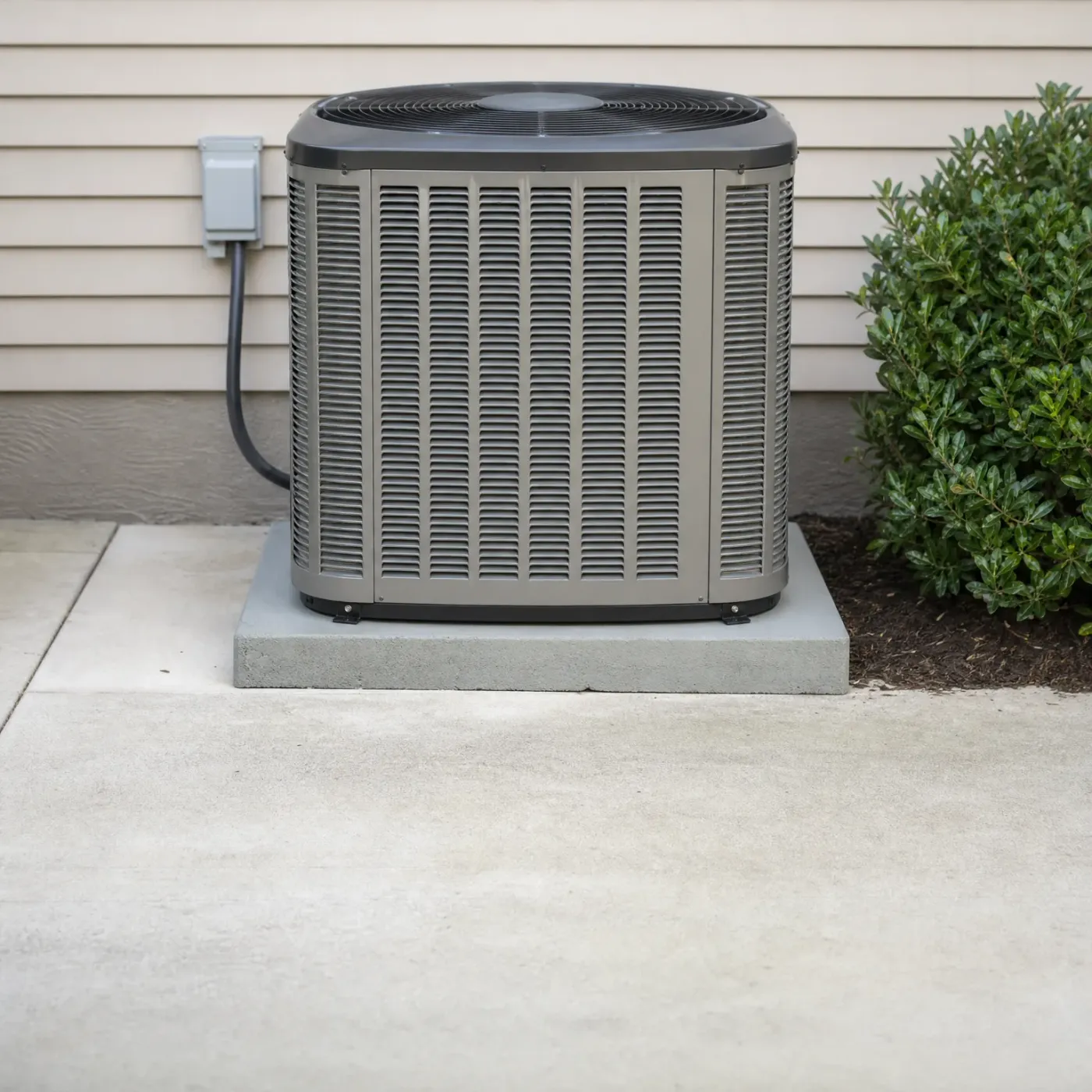
An outdoor air conditioning condenser unit on a concrete pad beside a house with horizontal lap siding, with an electrical disconnect box and conduit on the wall and a green shrub to the right.

A quick burn-off smell, then nothing

This is a normal-running condenser like yours. Dust settles on the coil and housing over a Mobile summer, and when the unit kicks on after sitting idle, that dust burns off the warm metal. The smell clears in a few minutes and doesn't come back until the next long rest.
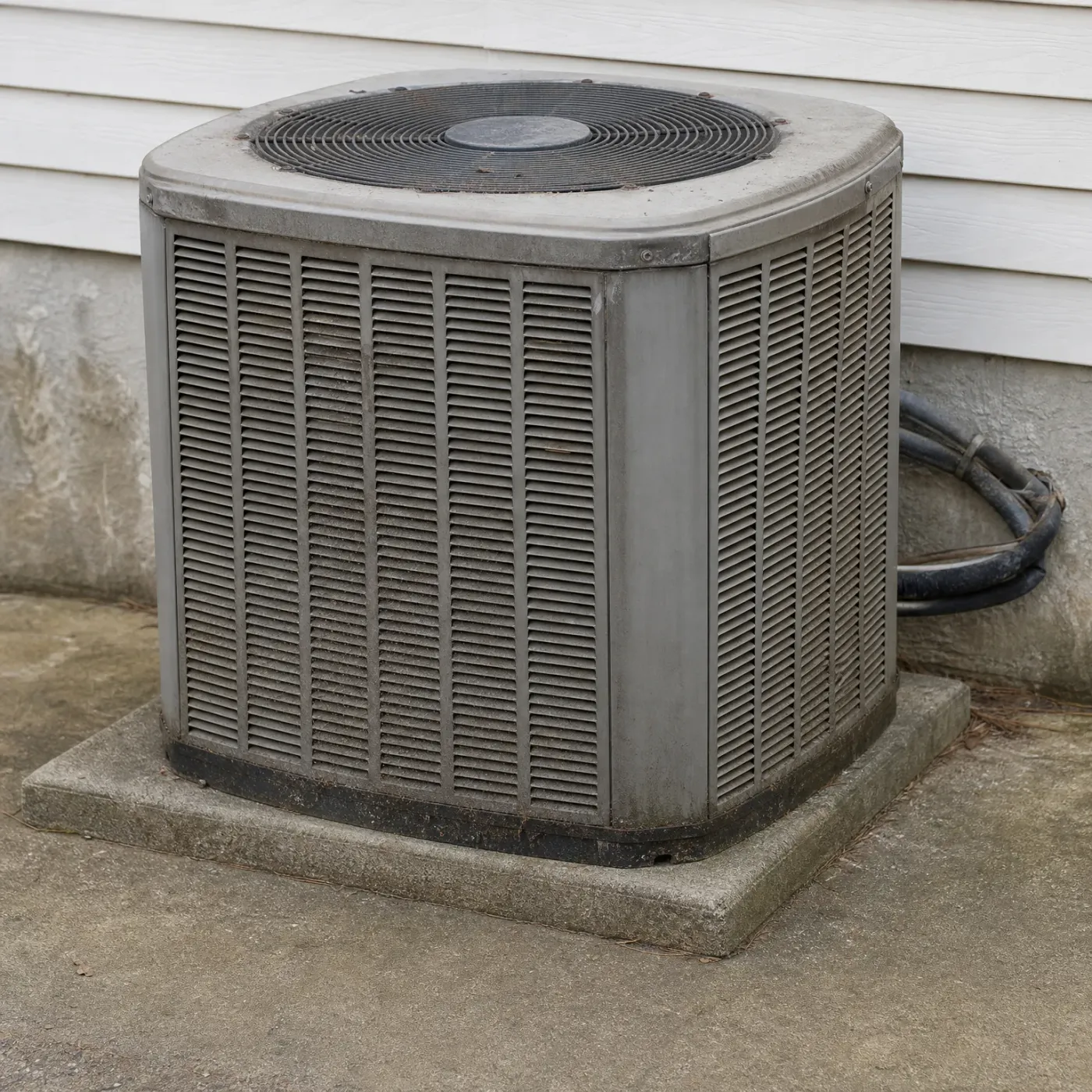

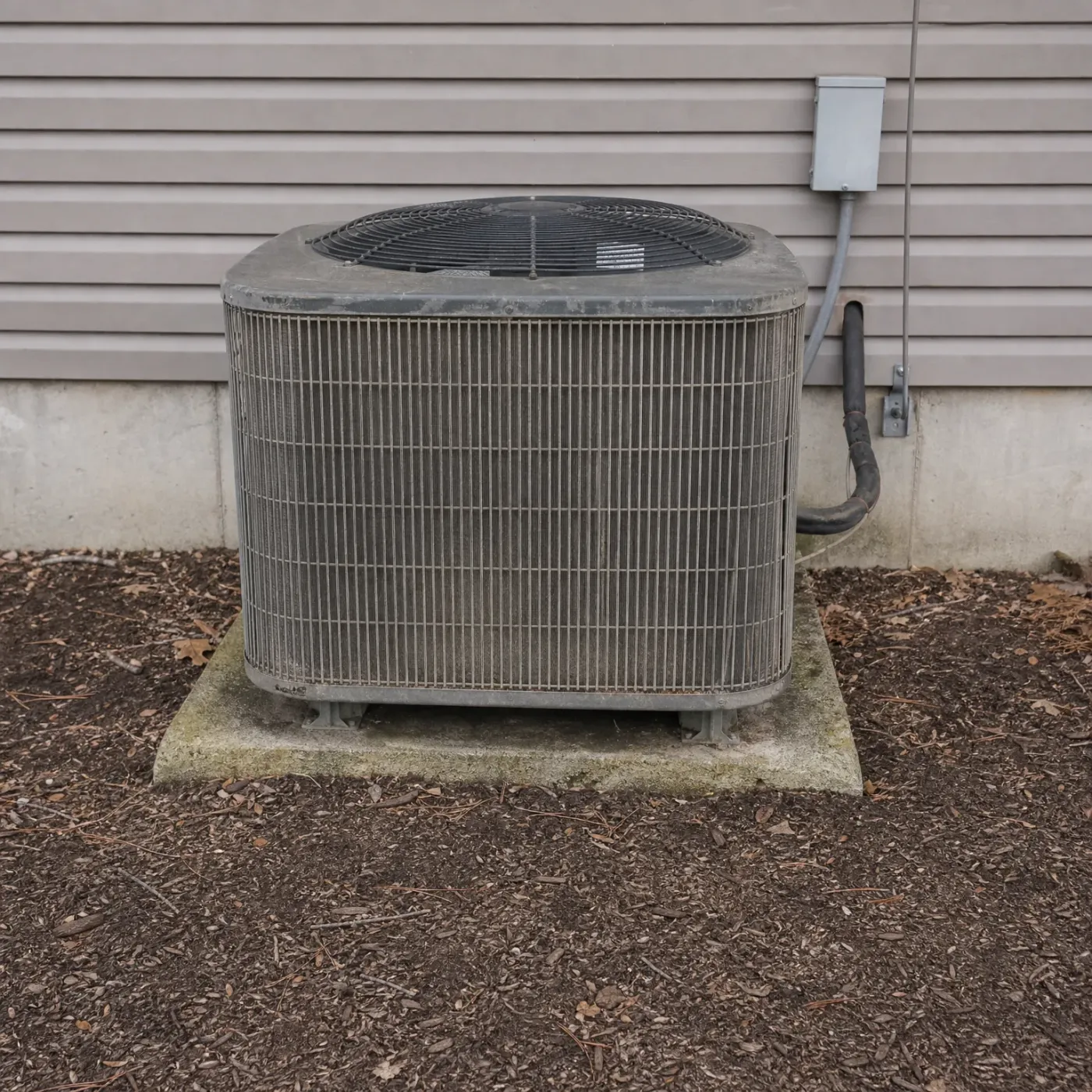
An outdoor air conditioner condenser unit on a concrete pad beside a house with horizontal siding and a lower concrete foundation wall, with coiled refrigerant lines at right.

A smell that lingers or gets stronger

An older unit like this one, with corrosion on the panels and grime built up around the fan grille, is more likely to have wiring that's worn through its insulation or a motor winding breaking down. That smell won't fade on its own, and running the system while it's happening can damage the compressor.

A gray-haired bearded man in a dark knit sweater sits on a light gray sofa in a sunlit living room, looking to his left, with a framed artwork, a potted palm, and a curtained glass door behind him.
A middle-aged man in a dark green sweater sits on a light grey sofa looking toward a sunlit window, with a wooden shelving unit, lamp and potted plants in the background.
A man in a dark green sweater sits on a light grey sofa in a sunlit living room, looking to his left, with a shelving unit, houseplants, framed art and a large window behind him.
A gray-haired bearded man in a dark green sweater sits on a light gray sofa in a sunlit living room with a potted plant, framed picture, and dark shelving in the background.

A smell that doesn't fade is telling you something is wrong, not just dusty. Wiring that's overheating gives off a sharper smell than burning dust, closer to hot plastic, and that usually means a connection has worked loose at the condenser or the air handler. A motor under strain, whether it's the fan outside or the blower inside, can run hot enough to produce the same kind of odor as its windings take the extra load. A capacitor is sometimes the culprit too. It can overheat for a while before it actually fails, and that often shows up as a burning smell near the outdoor unit before anything else goes wrong. None of this is something to wait out. If a breaker trips along with the smell, or you catch a burnt odor right at the air handler, or you see any scorch marks, shut the system off and leave it off. A smell that keeps coming back every time the system cycles isn't a dusty coil clearing itself. It's a sign the system needs a licensed technician to open it up and find out what's actually overheating.

When the Smell Means Trouble

  • A persistent burning or electrical smell, unlike a brief startup odor, often points to a wiring fault at the condenser or the air handler.
  • Overheated wire insulation gives off a sharp, acrid smell closer to burning plastic than ordinary dust.
  • A failing motor, whether the condenser fan or the blower, can strain its windings and produce a hot, burning odor as it runs.
  • A capacitor on its way out sometimes overheats before it fails outright, and that can smell like burning electronics near the outdoor unit.
  • If the smell comes with a tripped breaker, a burnt odor at the air handler, or visible scorch marks, the system should be shut off until it's inspected.
  • A smell that returns every time the system cycles, rather than fading after a few minutes, points to a problem that needs a licensed technician, not just a dusty coil.
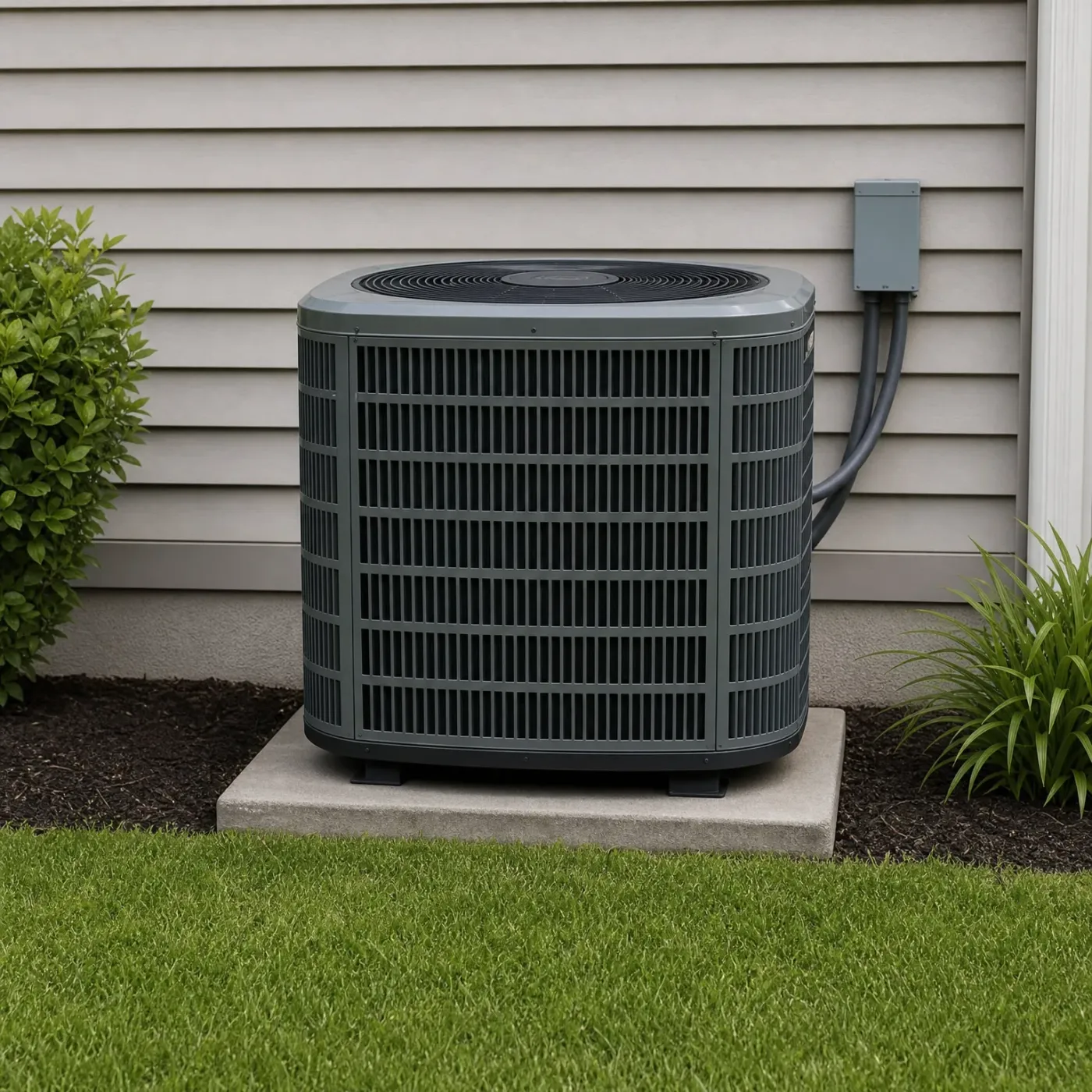
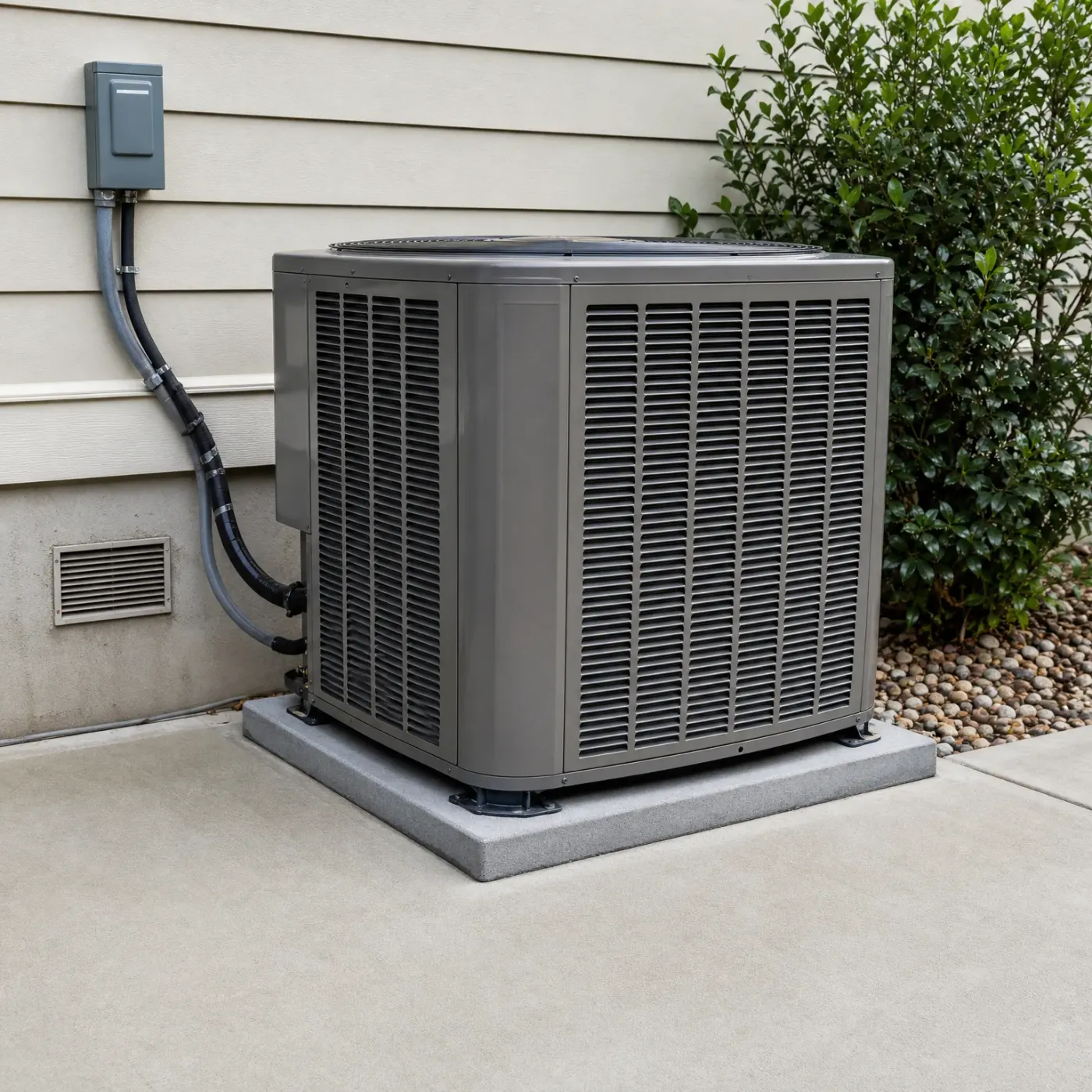
A gray outdoor air conditioning condenser unit on a concrete pad beside a house with horizontal lap siding, with a wall-mounted electrical disconnect box and refrigerant lines, shrubs, mulch and lawn around it.
This unit's doing what it should. The pad is clean, the conduit's intact, and nothing's built up on the housing to scorch when the compressor cycles on.
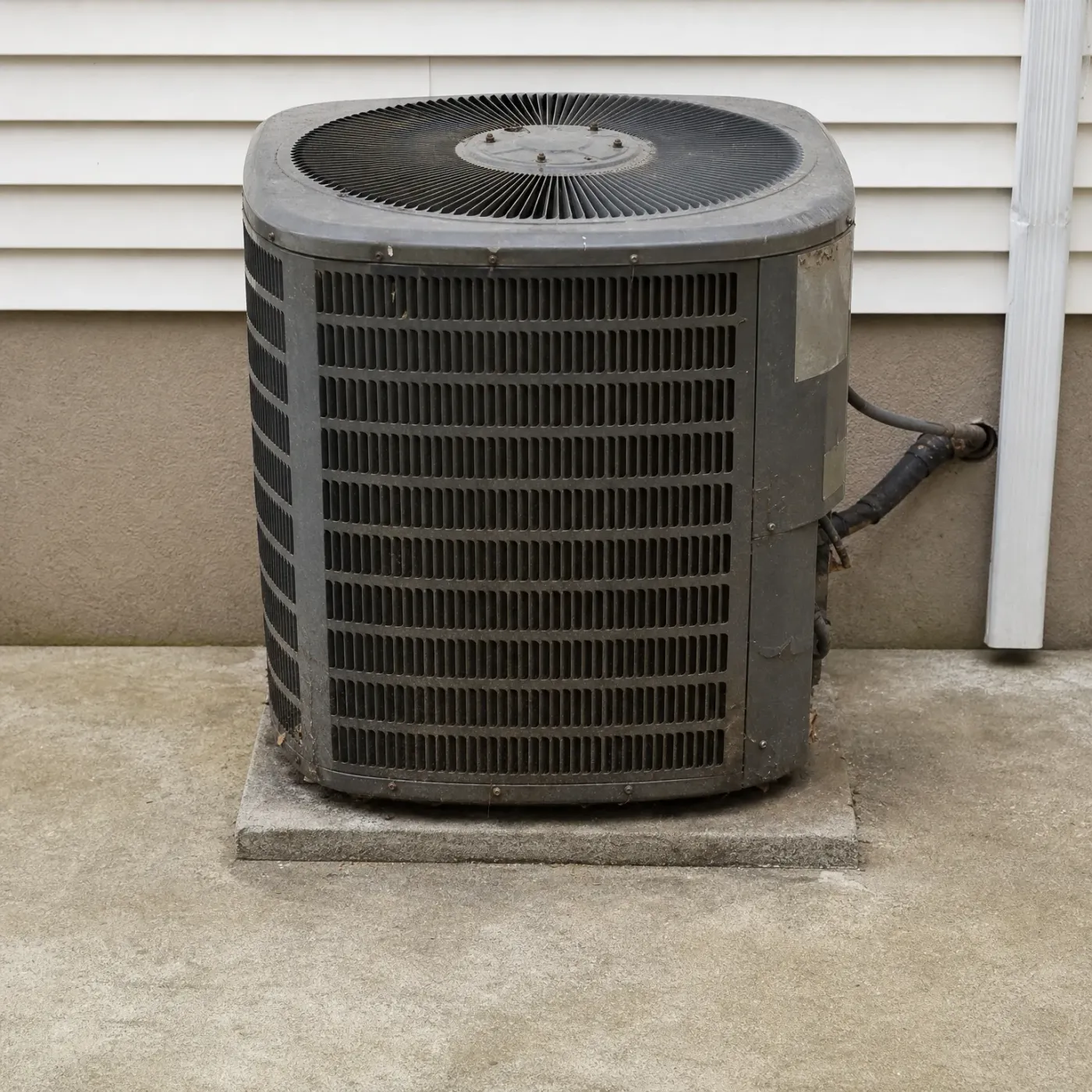
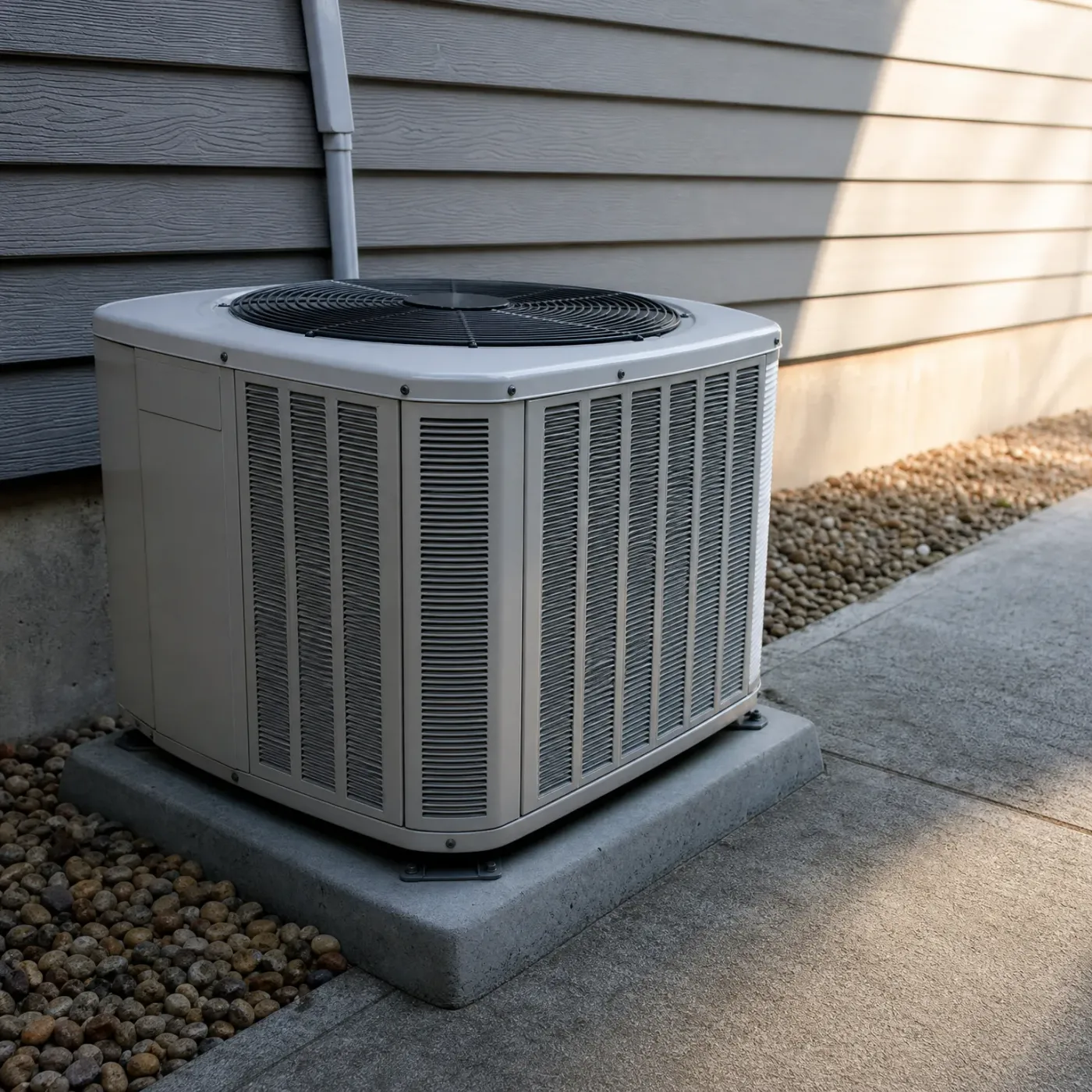
An outdoor air conditioner condenser unit on a concrete pad beside a house wall with stucco lower section, horizontal siding above, and a white downspout to the right.
Grime like this holds heat against the fins and the wiring nearby, and that's the kind of burning smell that doesn't clear on its own.

Call Now or Watch and Wait

Call now

  • A burning or electrical smell that doesn't clear after a few minutes means a wire or component is overheating somewhere in the system.
  • Running the AC with a wiring fault risks melting insulation further and can trip the breaker or stop the unit outright.
  • A contractor who works on condensers and air handlers every summer in Mobile knows which wiring points fail first in this heat and humidity.
  • Shutting the system off at the thermostat or breaker until someone looks at it keeps a bad connection from getting worse.
  • One licensed, local contractor can check the condenser, the air handler and the wiring between them without you explaining the problem to several companies first.

Watch and wait

  • A burning smell that shows up only when the unit first kicks on, then fades within a few minutes, usually means dust burning off a warm coil or housing.
  • This tends to happen after the system has sat idle, since dust has time to settle on the metal before it heats up again.
  • If the smell doesn't return on the next cycle, there's nothing to chase down this time.
  • Keeping the area around the outdoor unit clear of grass clippings and debris cuts down on how much collects there to burn off later.
  • If the same burning smell comes back cycle after cycle, that's no longer a one-time dust burn-off and it's worth having someone look.
A woman with shoulder-length dark brown hair in a cream knit cardigan sits in an upholstered armchair beside a window, looking off to the side, with a white bookshelf and potted plant blurred behind her.
A woman with dark hair in a bun sits on a sofa with a child resting his head on her shoulder, both wrapped in a cream knit blanket, with a lit lamp and bookshelf in the dim background.

No calling every shop in Mobile County

A burning smell that won't quit means a wire or a part is overheating somewhere in your system, in your attic, your closet or outside at the condenser. That's not something to wait on, and it's not something to track down yourself. Finding a licensed AC contractor in Mobile usually means calling a few numbers, explaining the smell each time, then waiting to see who answers and who shows up. This page skips that. One request goes to a contractor who works on systems like yours around Mobile every summer, who's smelled this before and knows where to start looking, the condenser wiring, the air handler, the breaker panel. You get one contractor on this, not five companies working your phone at once. With a smell like this, the point is getting someone qualified looking at it, not spending the afternoon on hold while your AC keeps running and that wire keeps heating up.

Why dust burns off clean

A condenser coil works by moving heat out of your house into the outside air, and that means the fins and the housing around them run warm every time the compressor cycles. A light film of dust or pollen settles on that metal between cycles, especially during a long Mobile summer when the unit barely shuts off. Once it kicks back on, that film singes against the warm surface and you get a few minutes of burning smell before it's gone. The coil isn't damaged by this. It's just doing what a coil does, with dust in the way.

Why wiring doesn't clear up

Wire insulation isn't meant to get hot at all, so when a connection loosens or a wire chafes against metal, the heat has nowhere to go and the smell doesn't fade the way burning dust does. It holds steady or gets stronger the longer the unit runs, because the fault is generating heat the whole time, not just at startup. Left alone, that heat can melt more insulation, short the circuit, or trip the breaker outright. A condenser or air handler that's been running fine for years can still develop a loose connection, and nothing about its age tells you whether it has one.

An outdoor air conditioning condenser unit on a concrete pad beside a house with light vinyl siding, with electrical conduit running to a wall-mounted disconnect box and a shrub in mulch to the right.
Before you get your air conditioner repair
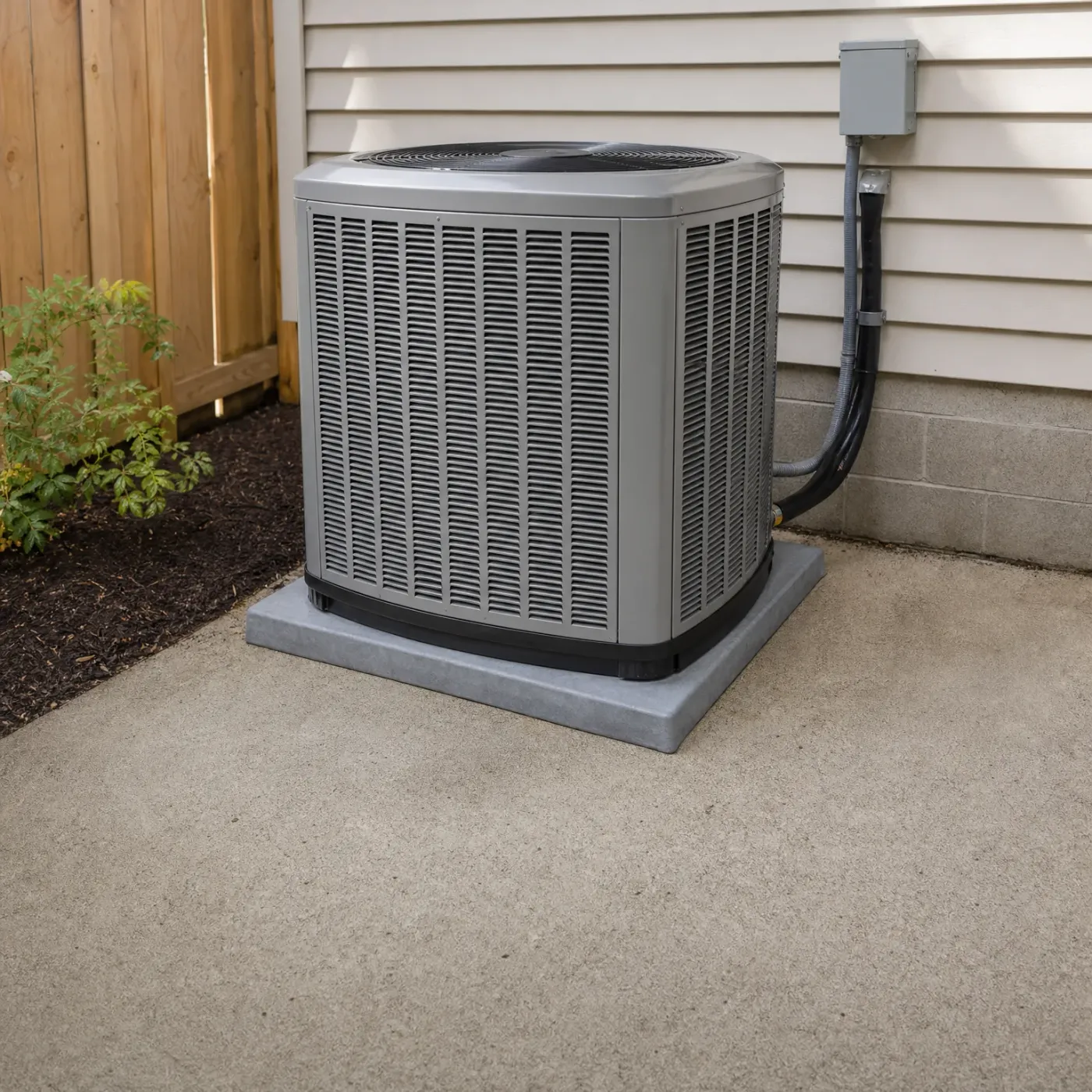
A gray outdoor air conditioning condenser unit on a composite pad beside a house with horizontal lap siding, with a wall-mounted disconnect box, refrigerant lines, and a wooden fence and shrubs to the left.
After you get your air conditioner repair

Cooling runs April through October

With cooling running April through October here, your condenser gets long stretches where it sits idle between cycles, especially come spring and fall. Dust has time to settle on the coil and housing in those gaps, so a quick burn-off smell when it restarts isn't unusual. A smell that lingers past startup is a different matter.

NOAA nClimDiv 1991-2020

A gray outdoor air conditioning condenser unit sits on a concrete pad beside a house with horizontal siding, connected by insulated lines to a wall-mounted disconnect box, with a shrub and gravel bed to the right.

Clean unit, no odor

This condenser sits clean on its pad, coil fins clear and the disconnect box secure on the siding. Nothing on the housing holds heat against the wiring, so when the compressor cycles on, there's nothing sitting on the metal to burn off.

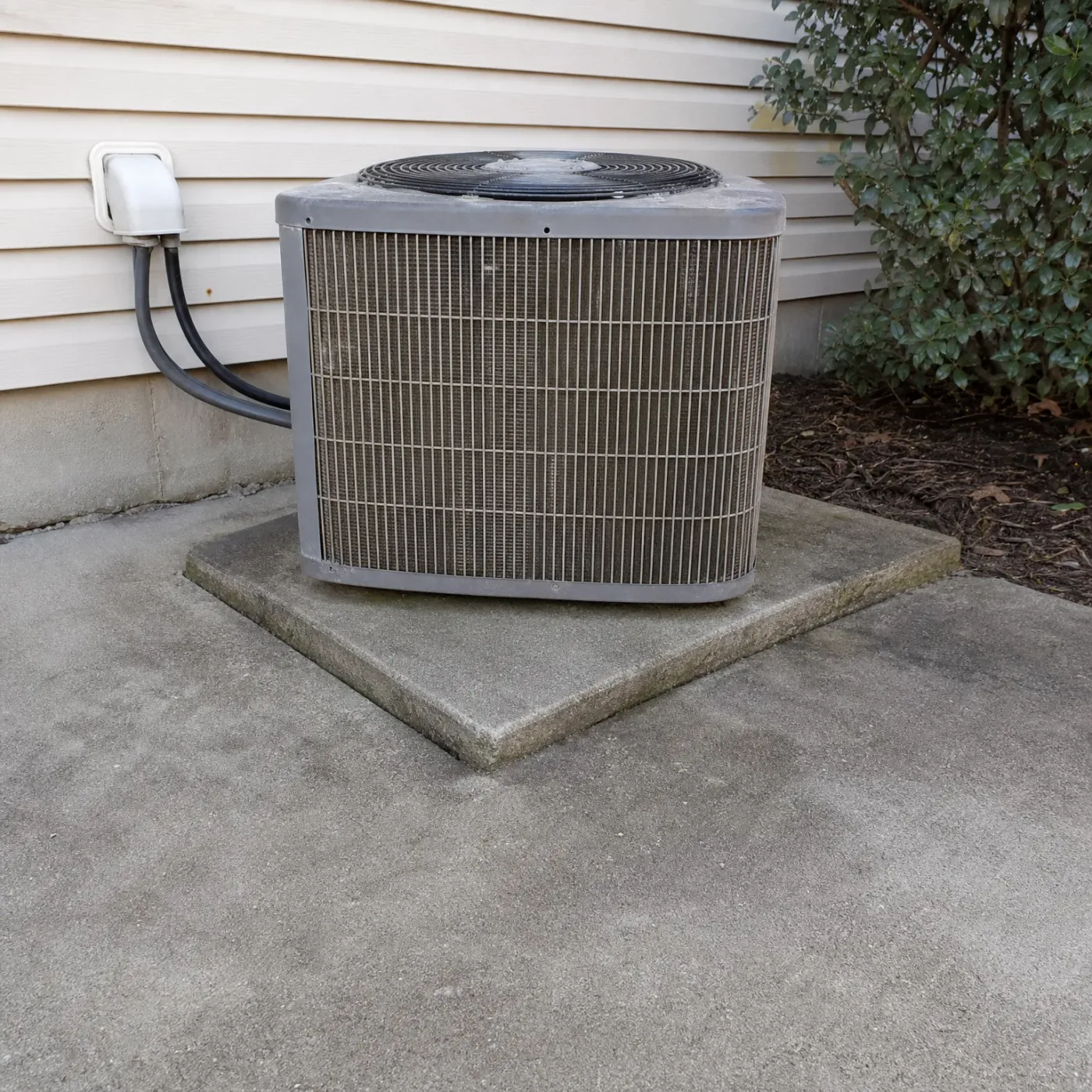
An outdoor air conditioning condenser unit sits on a concrete pad beside a house with horizontal vinyl siding, with a gray electrical disconnect box and insulated refrigerant line on the wall above, surrounded by bare mulched ground.

Grime holding heat

Years of dirt have packed into these coil fins and across the housing. That buildup traps heat against the metal and the wiring near it every time the unit runs, and it's the kind of burning smell that doesn't clear after a few minutes.

A closed silver laptop and a glazed ceramic mug on a wooden table, with a blurred kitchen counter, potted plant, cutting board and window in the background.

What that smell is telling you

A burning smell that clears in a few minutes is dust burning off the condenser coil. One that doesn't clear, or smells like hot plastic, is a wire or a part overheating somewhere in the system. That's the difference that matters, and now you know which one you're dealing with.

If it's the second kind, you're not the one who should be opening up the air handler or the condenser to find it. A licensed AC contractor in Mobile who works on these systems all summer can trace it to the wire or part at fault without you having to spend an afternoon searching for someone qualified to take the call, or explaining the smell over the phone to three different companies before one can get out to look at it.

A speckled beige ceramic vase holding thin dried branches sits on a round wooden table near a window with sheer curtains, with a dark upholstered chair and draped blanket blurred in the background.
A beige outdoor air conditioner condenser unit with a top fan grille sits on a concrete pad beside a house with horizontal lap siding, bordered by gravel and a concrete walkway.

Describe it once

Skip the search

A licensed pro who works in Mobile County gets your request.

No fee to send it, and nothing to sign.