
Running the way it should
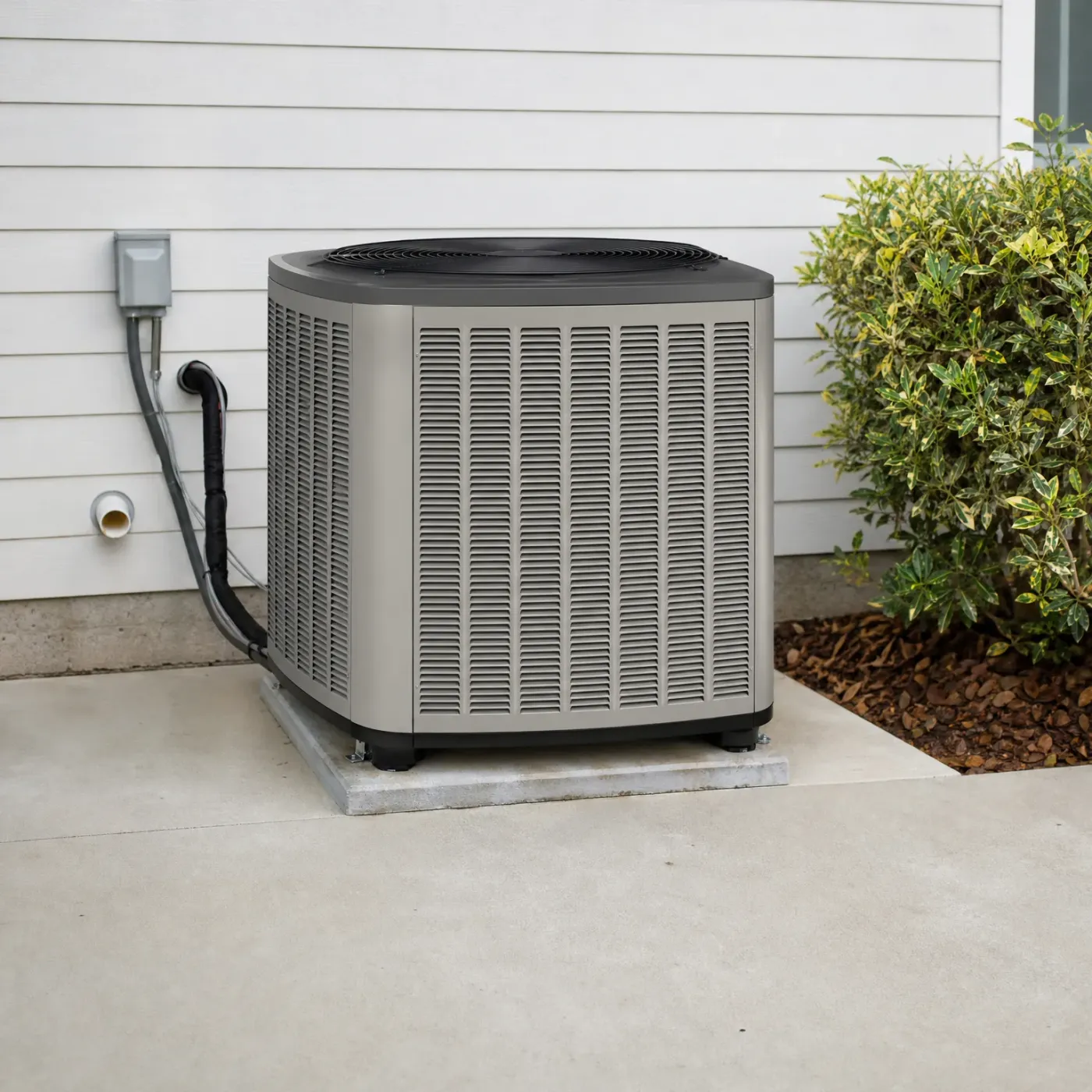
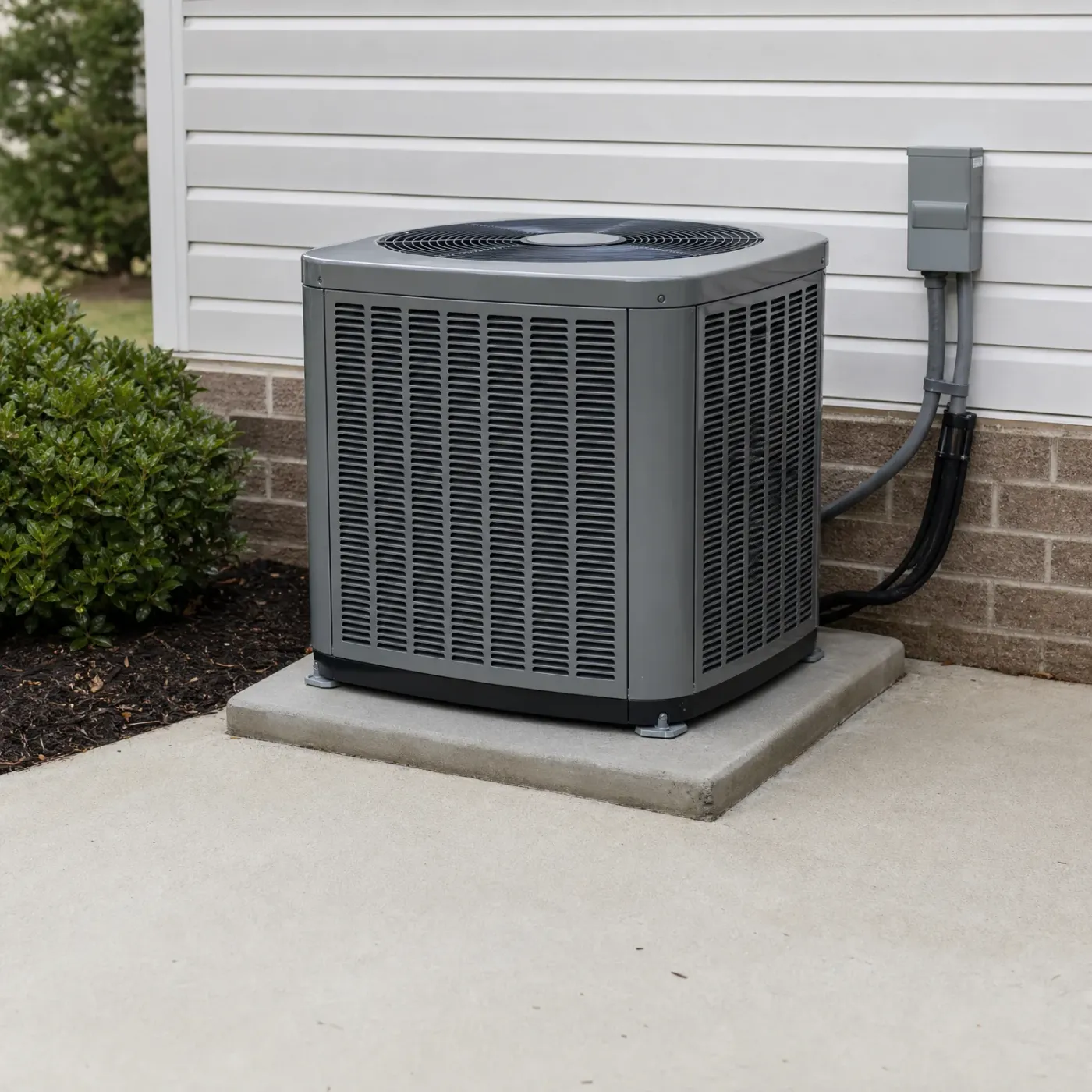
This is an AC pulling its weight: clean lines to the disconnect, a clear pad, nothing leaning or rattling. A unit kept like this through Montgomery summers can hold up through its full 12 to 15 years without surprises.
Your AC in Montgomery works harder than one in most of the country. Summers here run long and muggy, and the unit doesn't get much of a break once the heat settles in. That kind of use adds up, year after year, and at some point you start wondering if yours is on borrowed time or still has plenty left in it. That's not something a search result can tell you. It depends on the unit you have, how it's been maintained, and what shape it's really in. A contractor who's looked at hundreds of systems around Montgomery County can tell you in minutes, and lay out what it would mean to replace it now versus wait. Answer a few questions here and you'll be matched with someone who handles installations in your area. Once you send it, it's off your plate. No more guessing on your own.
Most central air conditioners in Montgomery last about 12 to 15 years, and plenty give out sooner if the summers have been hard on them. The heat here runs from April into October, so the compressor and the outdoor fan rarely get a real rest, and that steady workload wears parts down faster than it would in a place with a short summer. A unit installed new might make it close to 15 years with regular care. One that's been running on a failing capacitor or low refrigerant charge for a while often won't. Age isn't the only sign to watch. If yours is past 10 years and you're calling for repairs more than once a season, or your power bills have been climbing without a clear reason, it's worth finding out whether you're closer to the end than you think. Knowing where your unit stands now means you're not stuck making that decision in the middle of a July heat wave.

The compressor sits outside and runs every time the thermostat calls for cooling. In Montgomery that call comes most days from spring through fall. Every cycle puts strain on the motor and the refrigerant lines, and heat makes that strain worse. A compressor built to run 15 years in a milder climate can wear out sooner here simply from how often it switches on and how hot it gets while it runs.
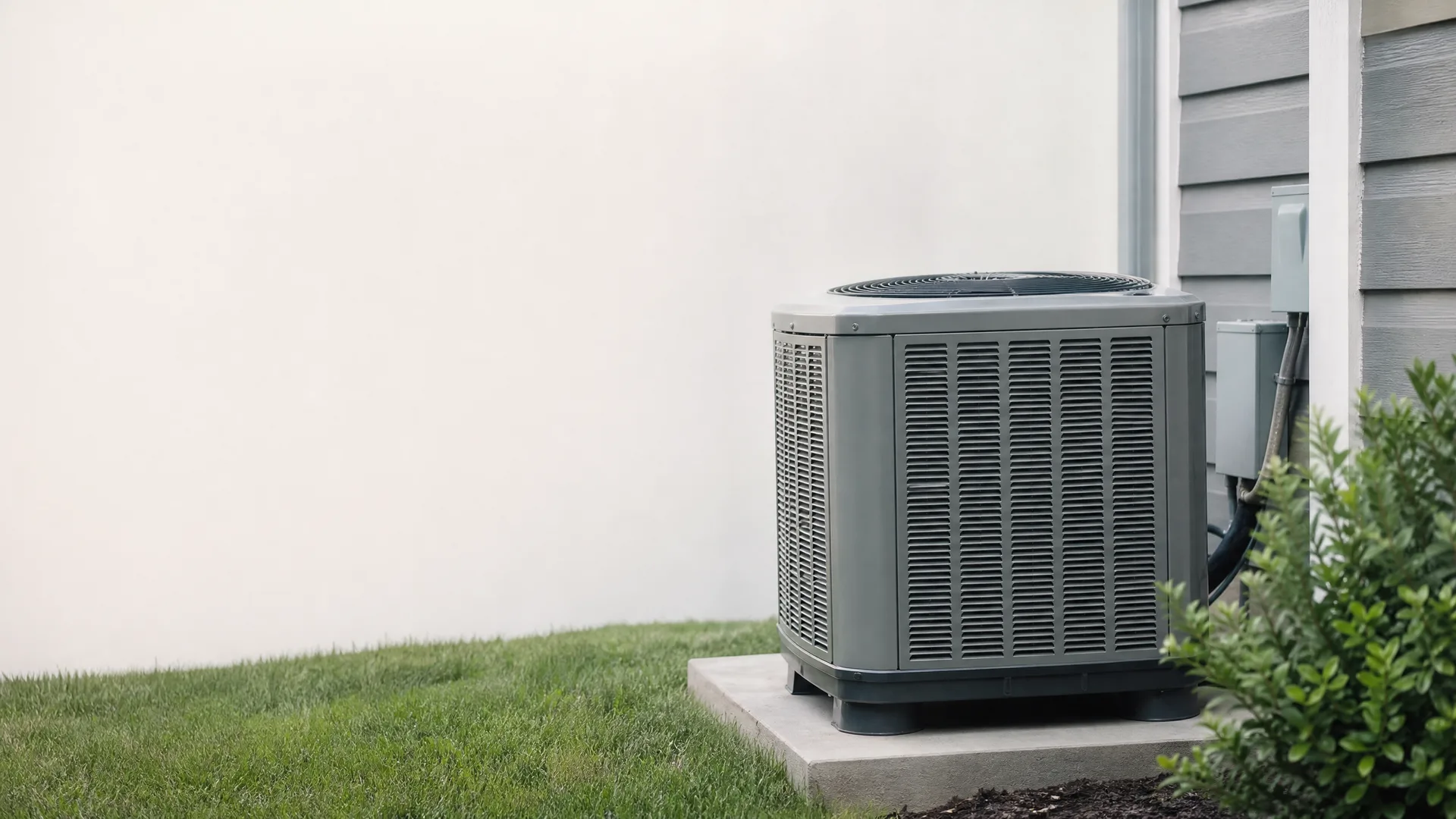
Power in Alabama costs more than in most states, and a unit that's losing efficiency shows it on the bill before it fails outright. A system that once cooled the house in short, even cycles starts running longer to hit the same temperature. If your summer bills have crept up without a change in how you use the thermostat, that's usually the compressor or coil losing ground, not the weather alone.
This is an AC pulling its weight: clean lines to the disconnect, a clear pad, nothing leaning or rattling. A unit kept like this through Montgomery summers can hold up through its full 12 to 15 years without surprises.
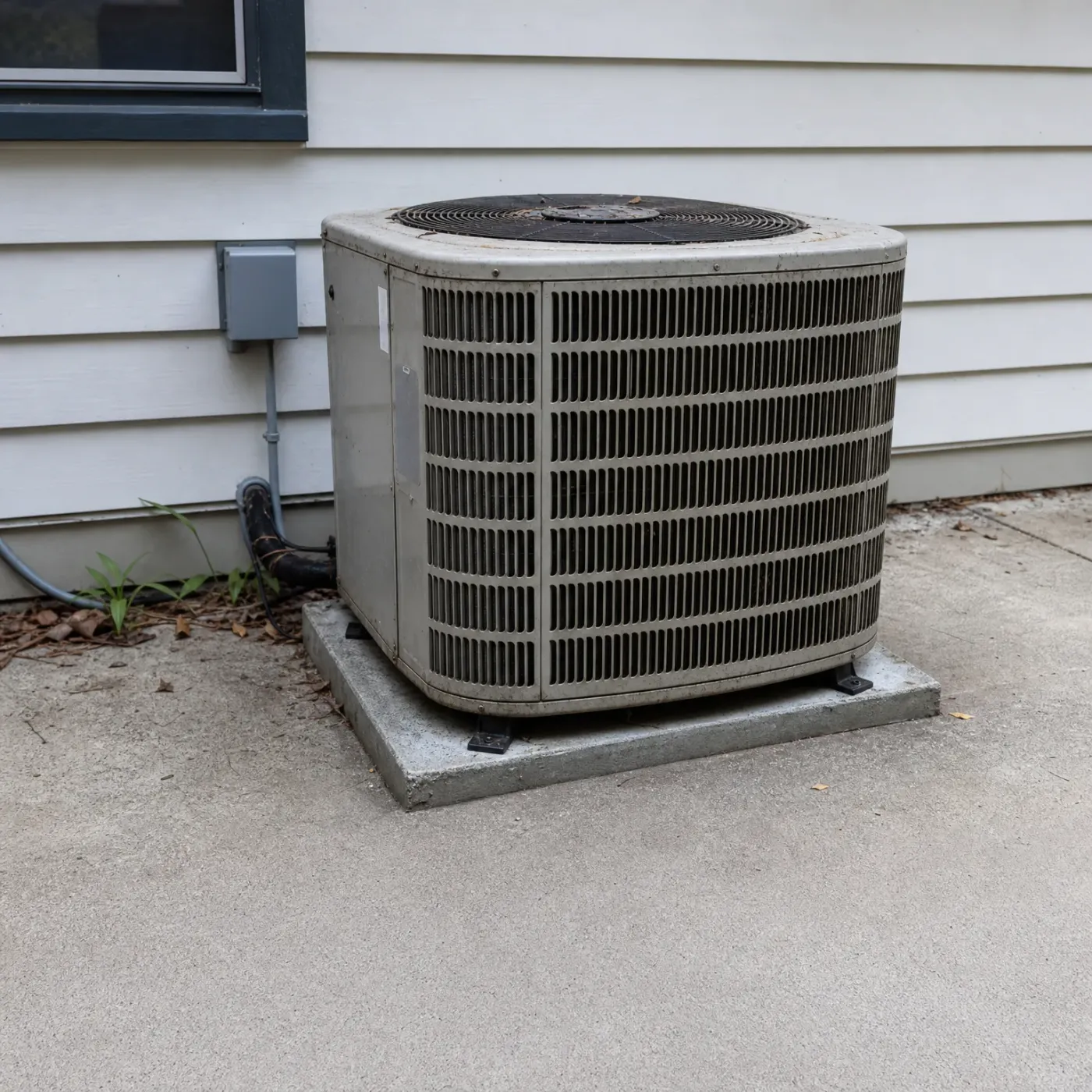
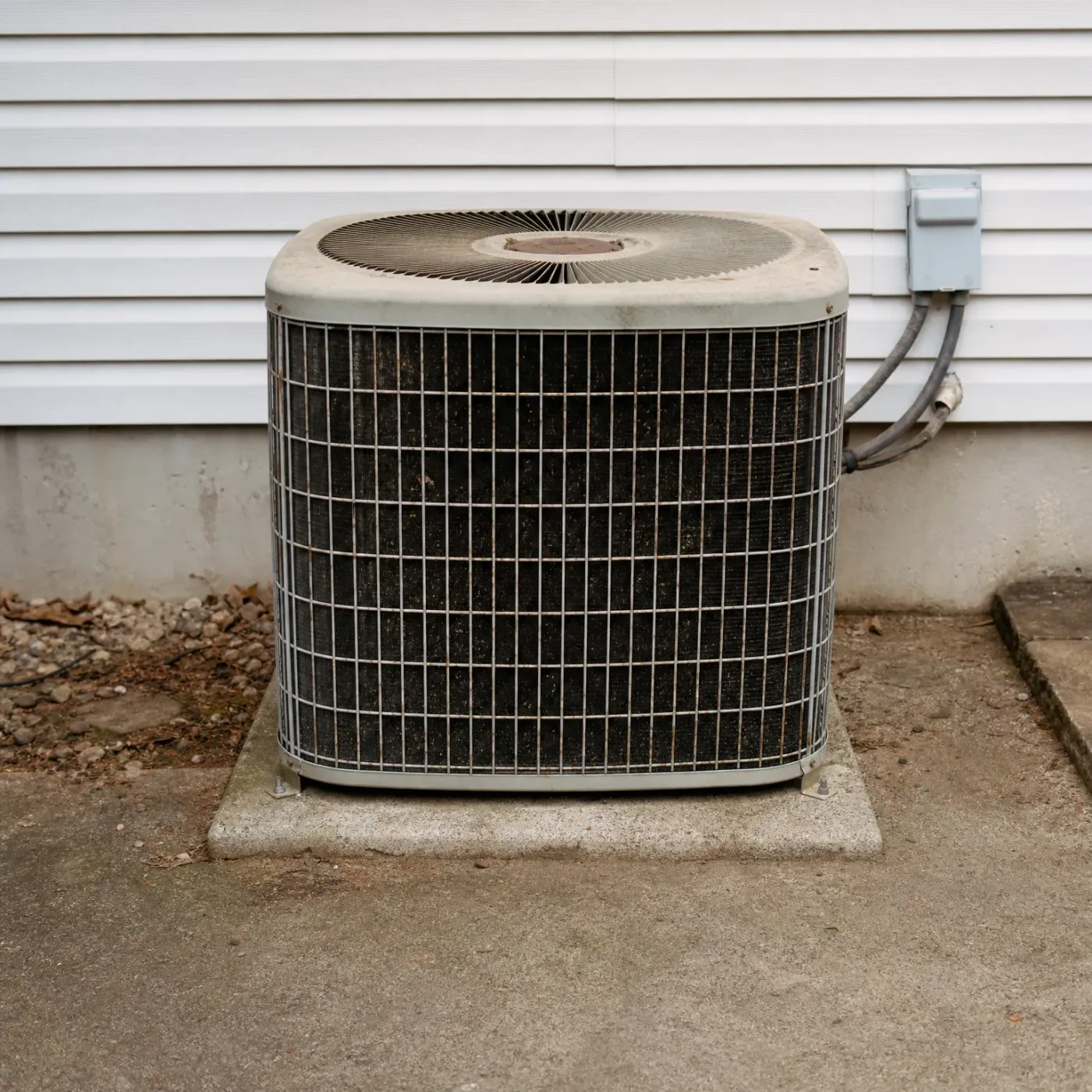
Weathering on the cabinet, corrosion creeping along the housing, a unit that looks like it's been through a decade of Alabama summers without much looking after. This is usually when breakdowns start showing up more than once a year.


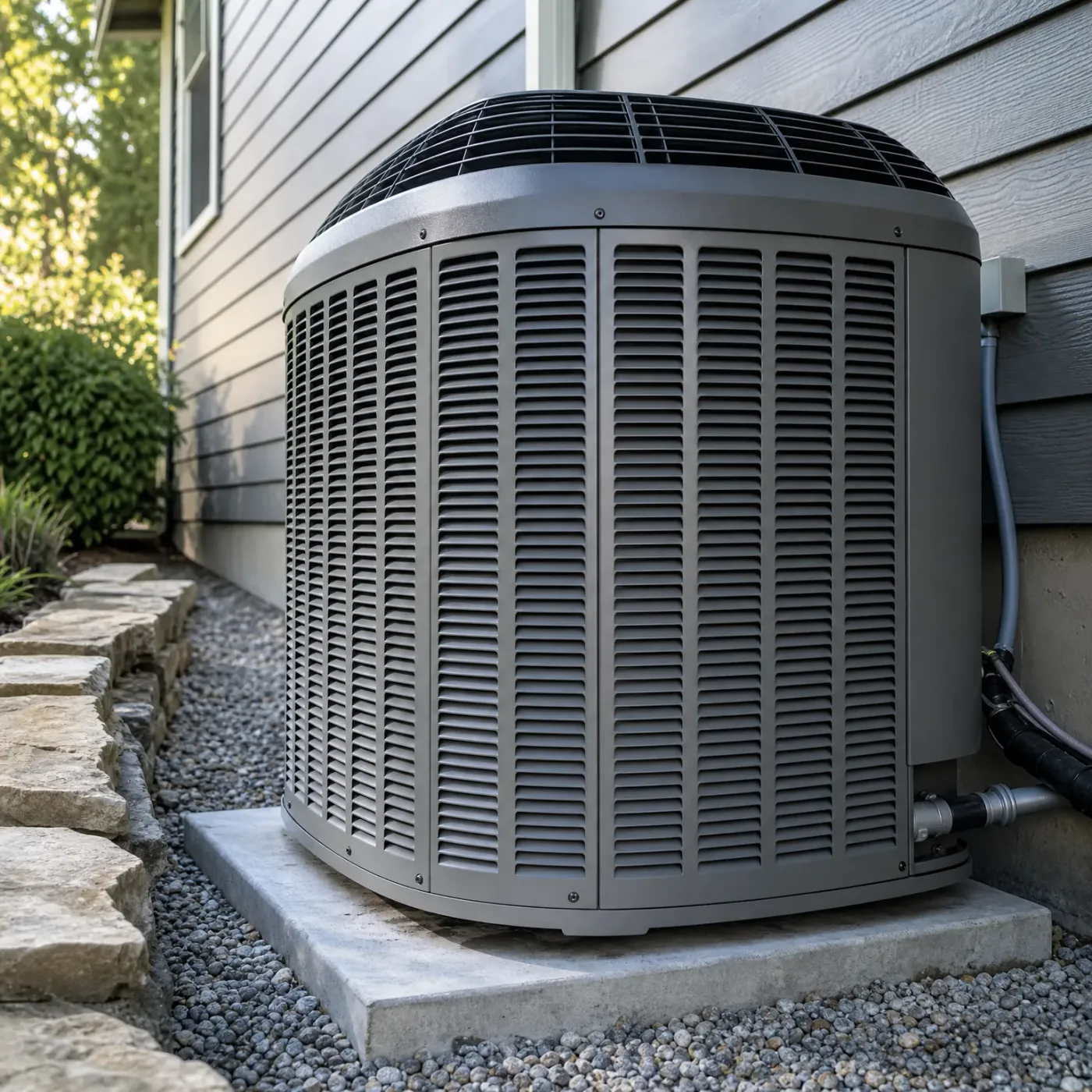
Send the form and the search for an installer is over.
Your request goes to a Montgomery County pro who takes air conditioner jobs.
No charge to send it. You decide if you hire them.

Once a unit here passes 10 or 12 years, you notice it in the bill before anything breaks. Power in Montgomery isn't cheap, and a compressor that's losing efficiency pulls more current to do the same job. Your system might also start running longer cycles, or short-cycling on the worst afternoons, and either way you're paying for strain the house doesn't feel as comfort.
The bigger risk is timing. These systems tend to fail in July or August, right when the compressor is working hardest and a contractor's schedule is fullest. If yours is past 12 years, it's worth getting a sense now of what replacing it would involve, so that decision isn't made for you in the middle of a heat wave. Sending in a request costs you nothing and puts that groundwork in someone else's hands before you need it done.

The thermostat calls, and the contactor pulls in to start the compressor.
The compressor pressurizes refrigerant gas and sends it to the outdoor coil.
The outdoor fan pulls air across that coil to release heat outside.
Refrigerant cools and travels inside to the indoor evaporator coil.
Six months of cooling a year means your AC spends half its life working, not sitting idle. May through October, it's on call almost daily. That kind of run time wears on a unit faster than a mild climate ever would.
NOAA nClimDiv 1991-2020
Twelve to fifteen years is the range for a central air conditioner in Montgomery, and most of what decides where a given unit falls in that range comes down to how hard the summers here have worked it. April into October is a long stretch of near-daily cycling for the compressor and outdoor fan, and that steady demand is what wears a system down faster than it would in a milder place. A unit in its first decade, kept clean and running the way it should, has little reason to need more than routine upkeep. Past year ten or twelve, the math starts to shift. The same system draws more power to do the same job, so the bill creeps up before anything visibly fails, and a repair that would have been a simple call on a five-year-old unit means something different on one that's older with a compressor already under strain. None of that means a unit quits the day it turns twelve. Some hold up through fifteen years or more because they were maintained and never pushed past what they could handle. Others fail sooner because a summer or two ran them harder than they could take. What matters is knowing which situation is yours, the unit's age, what kind of shape it's been kept in, and whether the trouble you're seeing now is a minor fix or a sign the compressor itself is on its way out.




Find an air conditioner installation pro in Montgomery County
Send the form and stop researching installers for the new air conditioner.