
Running the way it should
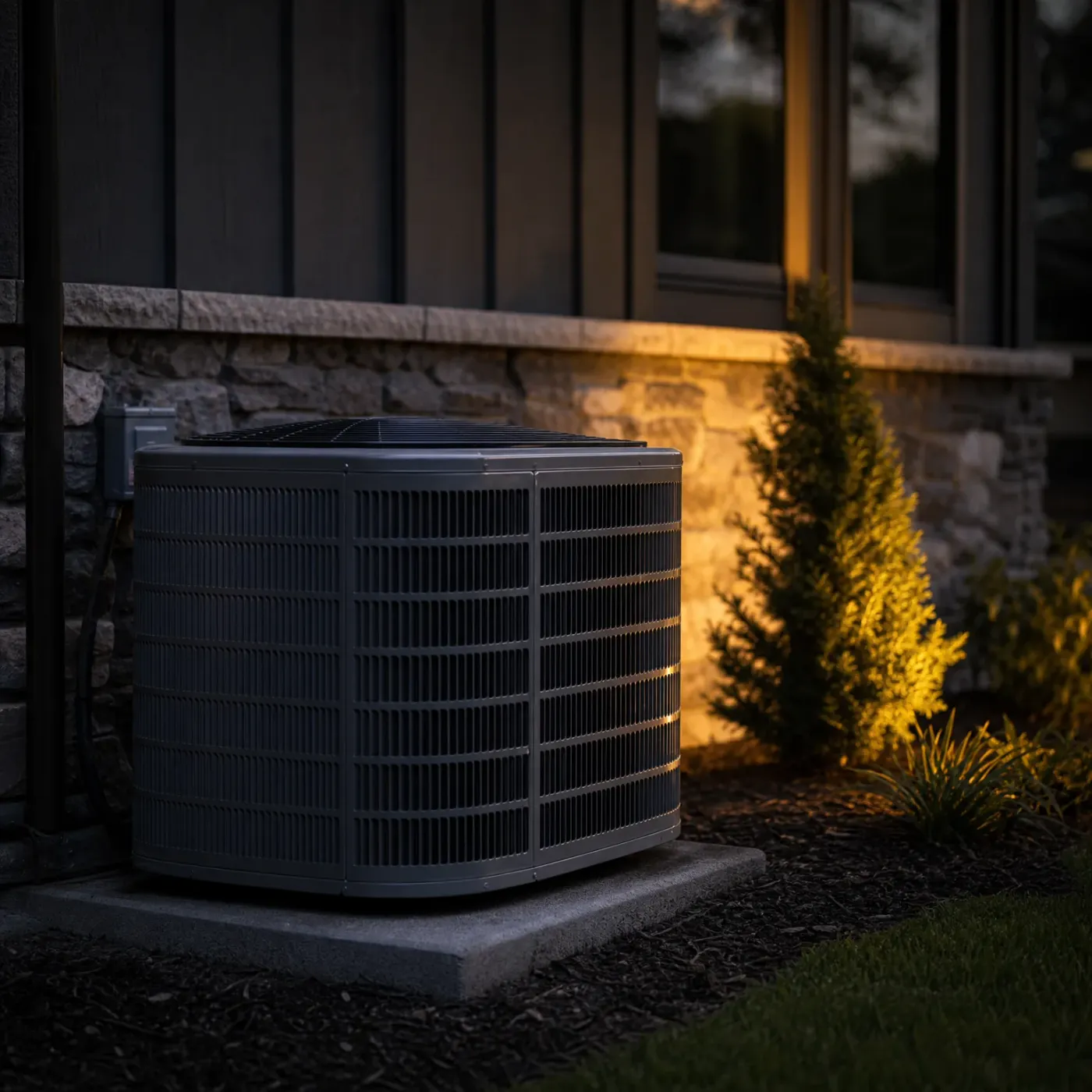
The unit outside cycles on, runs for a while, then shuts off, same as it did last June. The pad underneath stays dry. Nothing rattles when it kicks on. That's a system that got looked at before the heat settled in.
A local pro for your air conditioner maintenance
Before the heat sets in for good, you want to know your AC will run all summer without a breakdown in July. This page covers what gets checked and cleaned before the heavy months hit. Skip the search for a contractor and the back and forth explaining your system twice. Answer a few questions and get matched with one who can take it from here.
Find my proGetting your AC ready for an Alabama summer means having it checked and serviced before the heat and humidity settle in for good, usually sometime in March or early April. A technician cleans the condenser coil outside, checks the refrigerant charge, and tests the capacitor and electrical connections, the parts that wear down from running long hours in heavy heat. A dirty coil or a weak capacitor won't stop the system right away. It will run harder to keep up, pull more power doing it, and fail on the first truly hot day instead of a mild one. In Alabama, that day comes early and the strain doesn't let up until October. Catching a worn part in April costs you a service call. Catching it in July costs you days without cooling in the worst heat of the year, on a system that's already working against the humidity and a power bill that reflects how hard it's running.




A tune-up before summer is really a handful of separate checks, each one catching a different way the system fails. Outside, the condenser coil needs clean fins so it can shed heat the way it was built to. Alabama pollen season loads those fins fast, and grass clippings from the first few mows do the same. The refrigerant charge gets checked too, since it should stay at the level set at installation. If it's low, something is leaking, and topping it off without finding the leak just means doing it again. Inside the air handler, the blower wheel pushes air across the evaporator coil. Let dust build up on it and airflow drops, and on a hot, humid day that can ice the coil over instead of cooling your house. The condensate line matters more here than in drier states, since the humidity means more water condensing off that coil, and a clog backs it up until a safety switch shuts the whole unit down. The start capacitor and the contactor are both electrical parts that wear out gradually rather than all at once. A capacitor going weak often shows up as a unit that hums but doesn't start, and a contactor's contacts pit a little more with every cycle until one day they don't make contact at all. None of these are things you'd catch by looking at the thermostat.
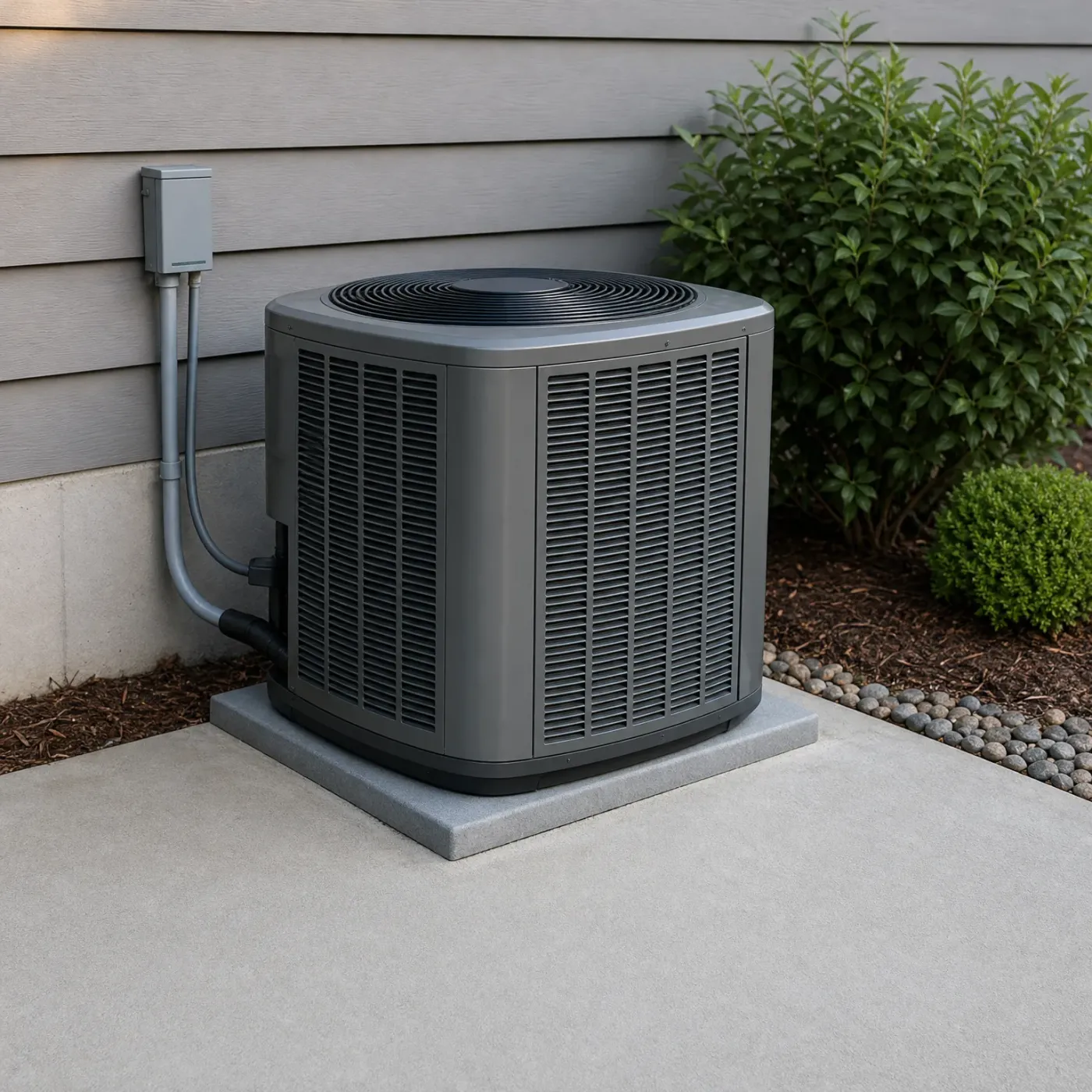
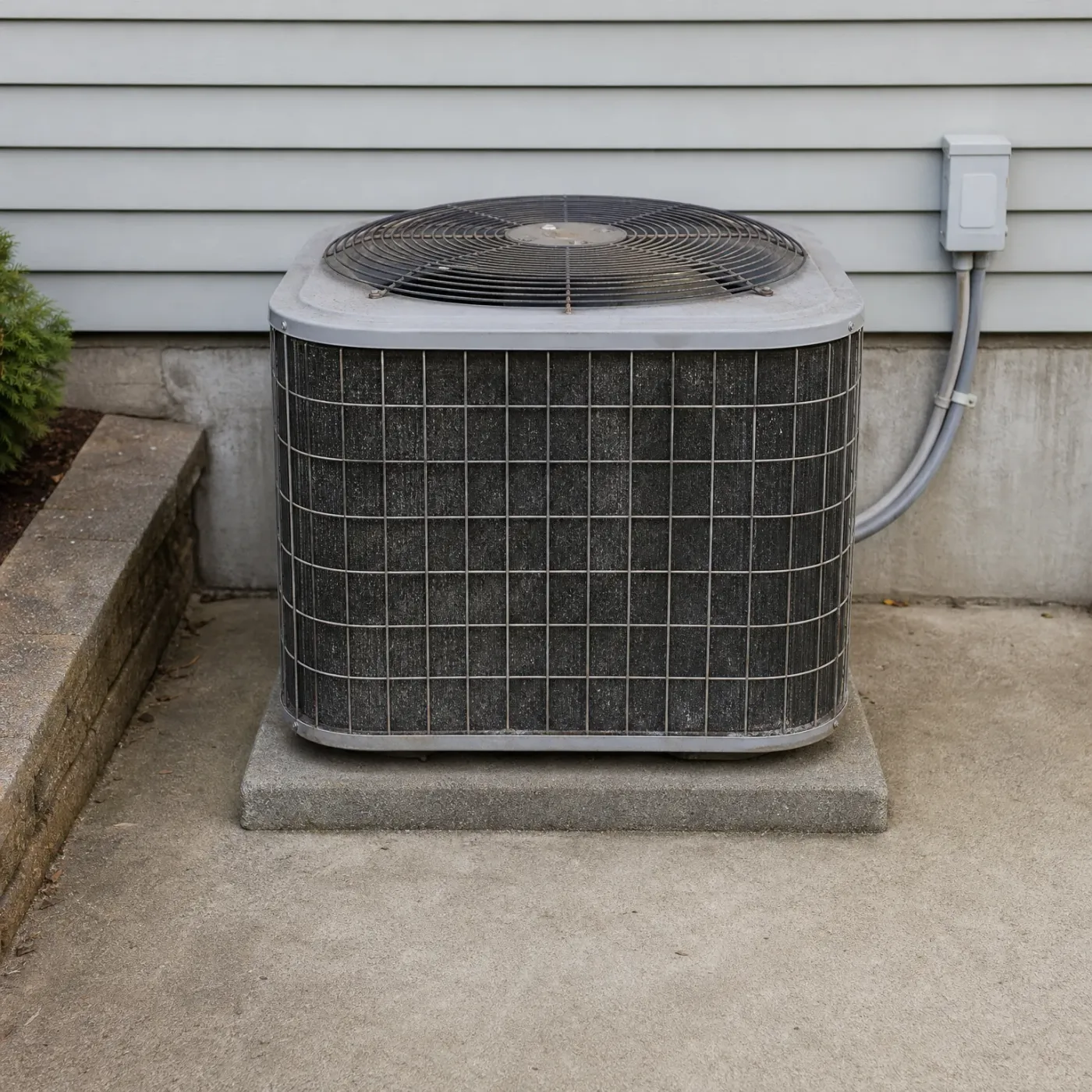
A technician cuts power to the outdoor unit before touching anything.
The condenser coil gets rinsed clean of pollen and grass clippings.
Refrigerant pressure gets checked against what the system calls for.
The electrical contacts and capacitor get tested under a real load.
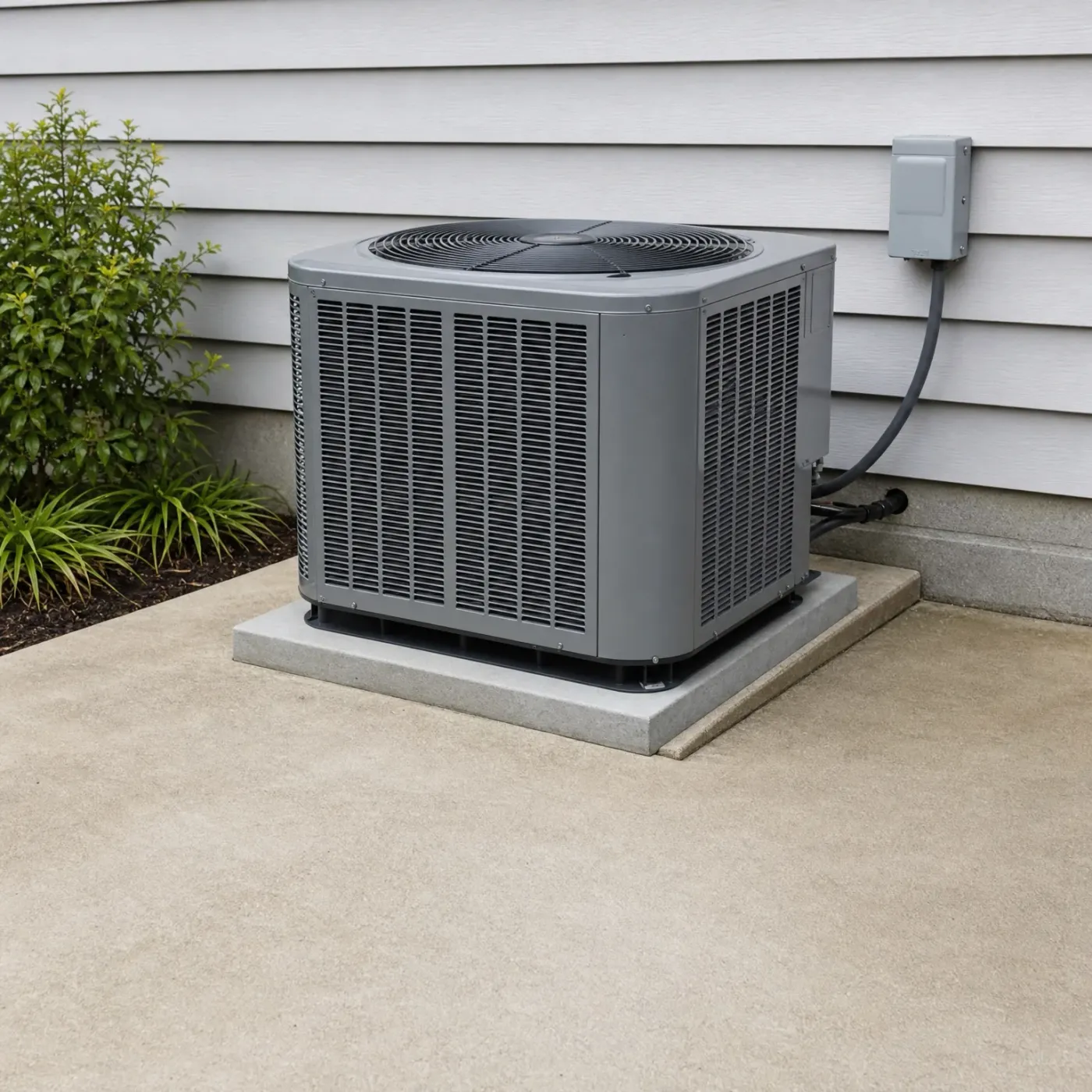
You already know what an Alabama summer does to a weak system. The power bill climbs as the unit runs longer to keep up, and a part that was already failing in March usually gives out on the hottest day it can find. Finding someone to look at it before that happens means calling a few contractors, explaining the same thing to each one, waiting on quotes, and trying to judge who actually knows what they're doing. That's the part worth skipping. Instead of sorting through that yourself, you get matched with one contractor suited to your system and your part of the state, and they reach out to you directly. No list of five companies to field, no retelling the same story twice. Your AC still needs the work done. What changes is that getting there doesn't cost you the afternoon.
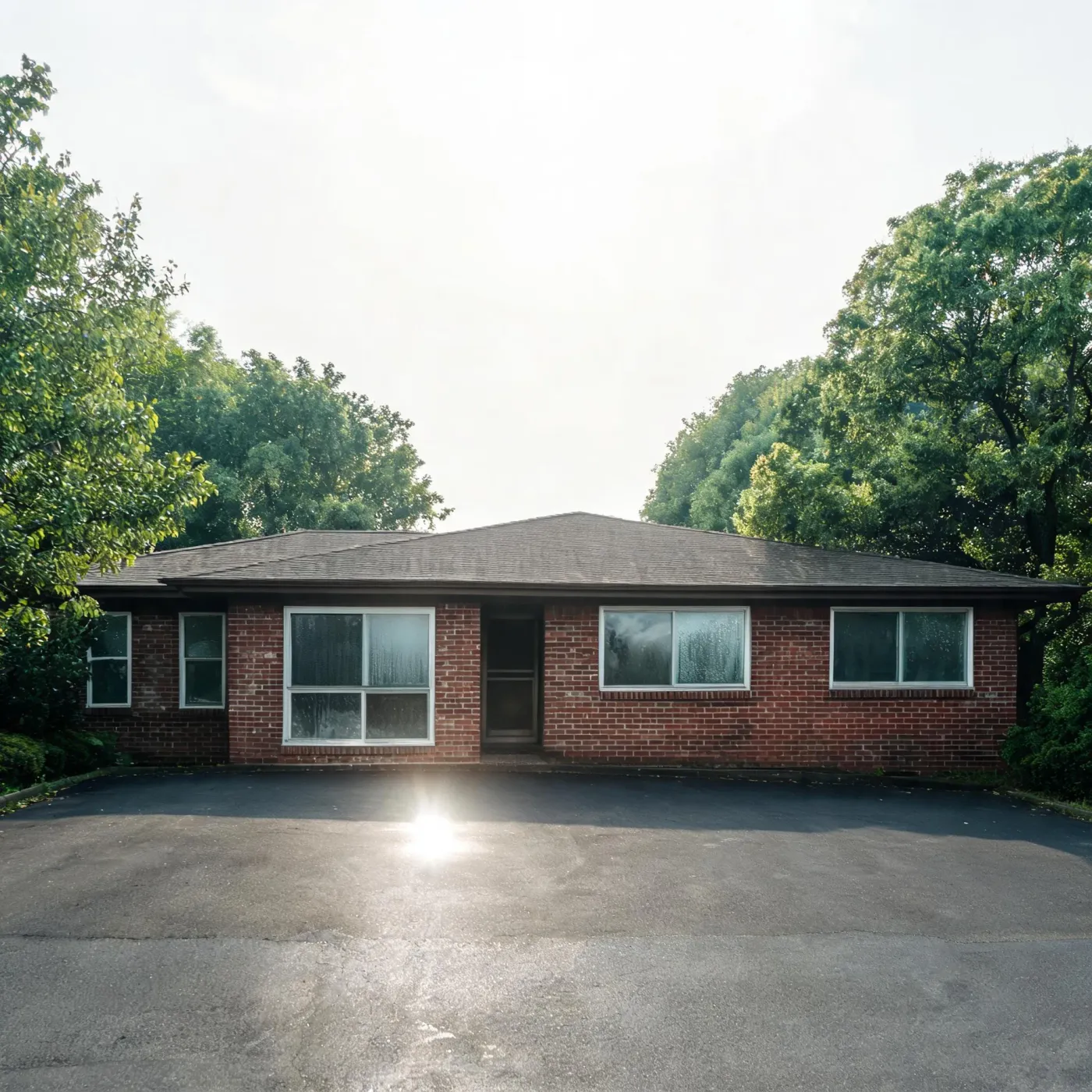
A dew point is what makes Alabama air feel heavy even before the temperature climbs, and averaged across June, July and August, it sits at 69°F here according to NOAA climate data. Air that thick holds a lot of moisture for your AC to pull out before the house actually feels cool. That's extra work your system does on top of lowering the temperature, and it's why the air can feel damp even when the thermostat says the room hit 72. A unit that's behind on cleaning or low on refrigerant struggles more with that moisture load, and you'll notice it as a clammy feeling indoors or a system that runs long stretches without shutting off.
NASA POWER T2MDEW county cells weighted by homes
It happens on the one afternoon you can't afford it, the air coming out of the vents feels barely cooler than the room, and the unit outside sounds like it's working just as hard as ever. On a 95 degree day in Alabama, that's usually not a one-time glitch. It's the system telling you something specific has given out, and it was probably already weak before the heat pushed it over.
The compressor is what moves refrigerant through the system, and on the hottest days it works harder than any other time of year. If a capacitor is weak or a contactor is pitted, the compressor can't start or run the way it should, and the air coming out stays warm even though the fan is blowing. A low refrigerant charge causes the same symptom a different way. Refrigerant doesn't get used up, so if the charge is low, there's a leak somewhere in the line, and the system runs without enough refrigerant to actually pull heat out of the air. Either problem shows up worse on a 95 degree afternoon because that's when the system is asked to do the most.
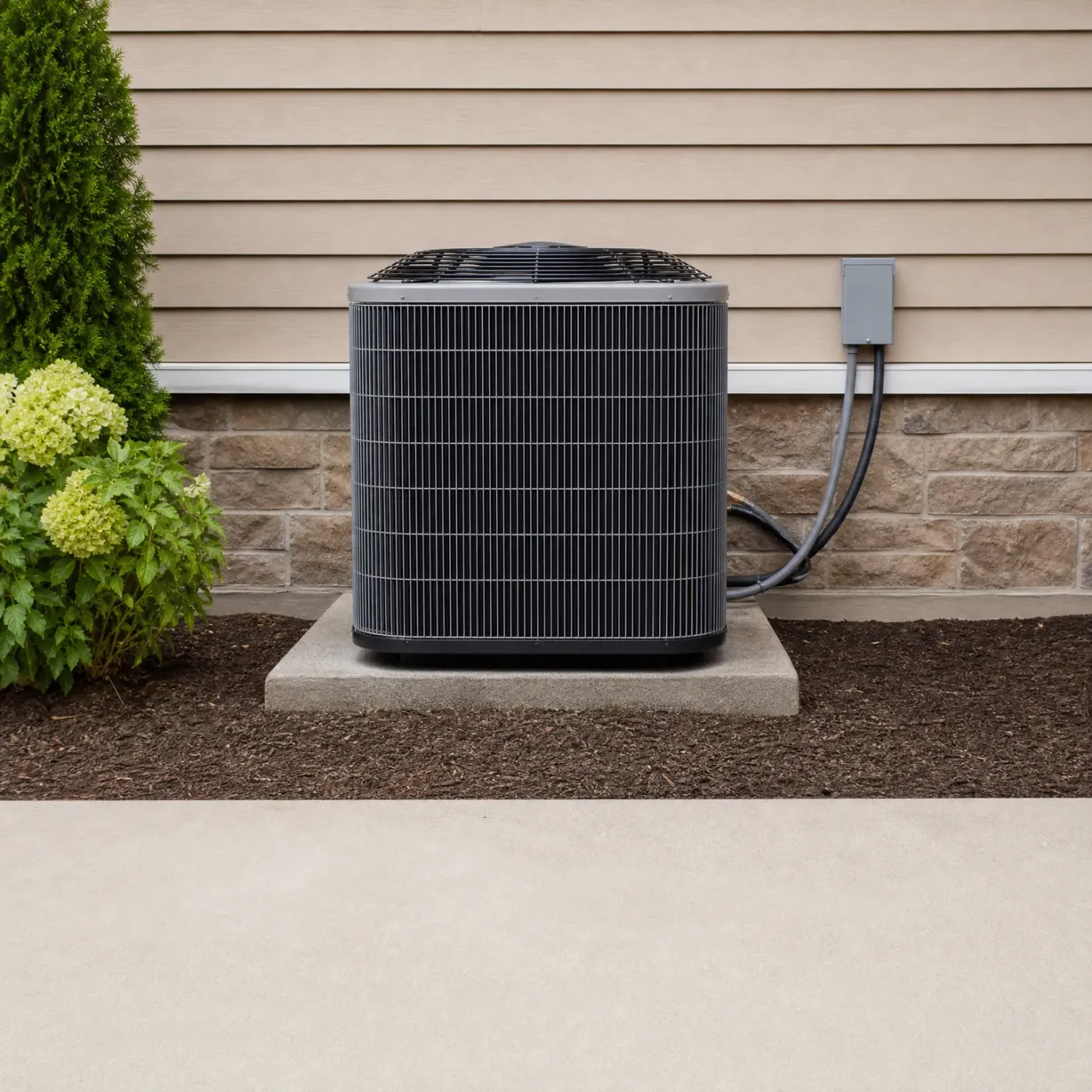
The unit outside cycles on, runs for a while, then shuts off, same as it did last June. The pad underneath stays dry. Nothing rattles when it kicks on. That's a system that got looked at before the heat settled in.
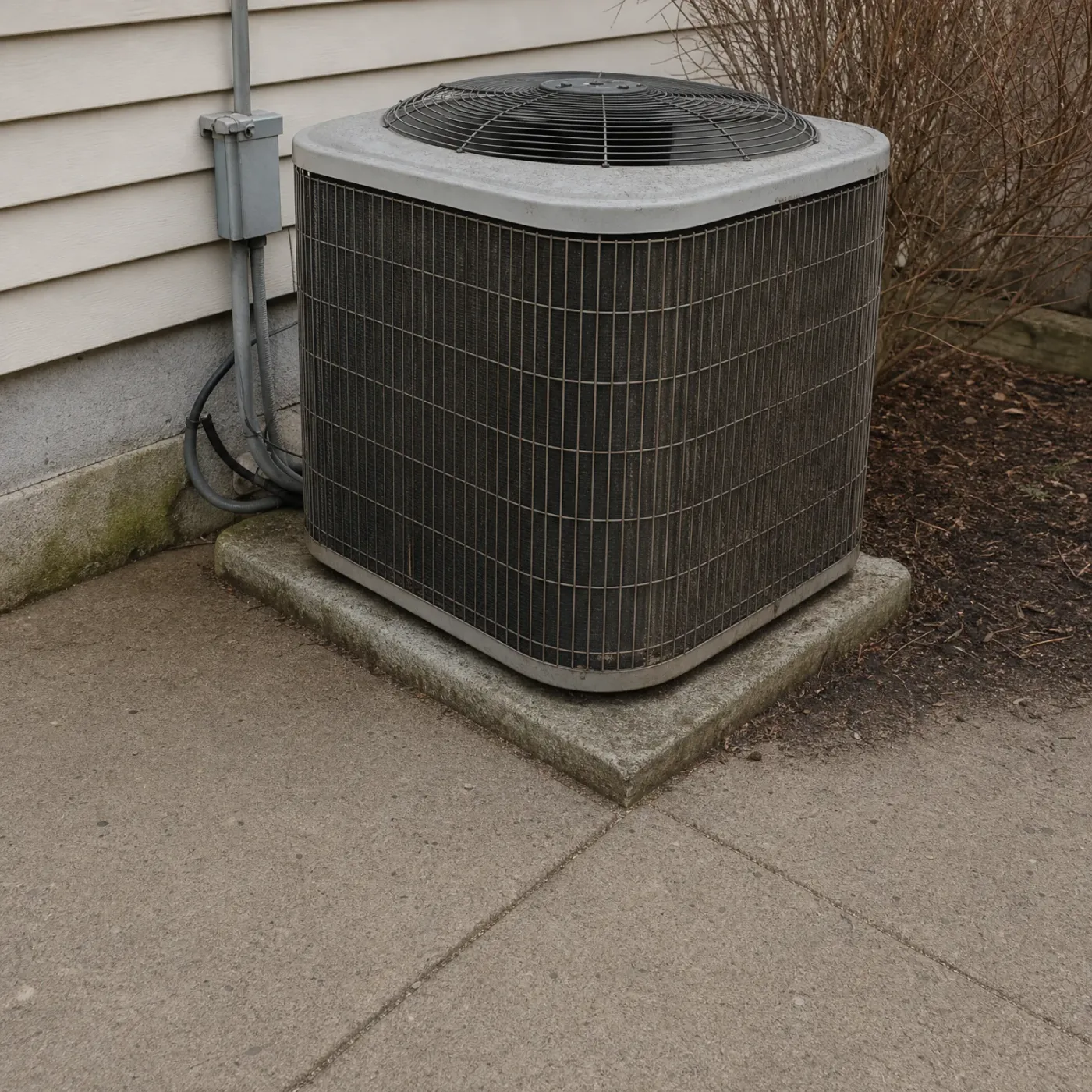
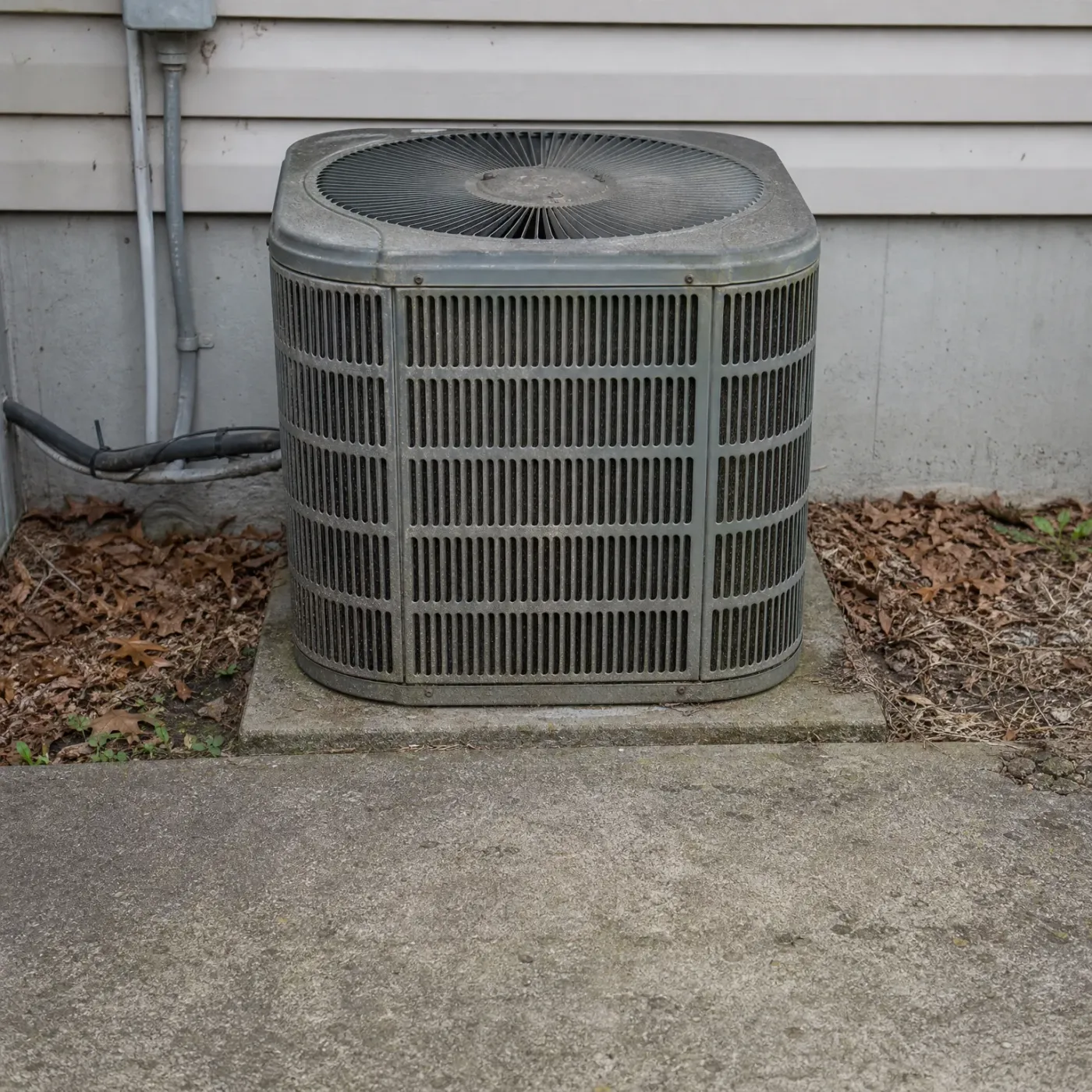
The unit runs and runs and the house still doesn't cool down. You walk past it and the fan sounds strained. Left alone through a hot stretch, that's usually the day it quits instead of catching up.


A thermostat reads the air in the house, not what the system is doing to produce it. A unit low on refrigerant or running on a weak capacitor can still bring the house down to 72 degrees, just slower and with the compressor working harder to get there. By the time the thermostat shows a problem, usually a house that won't cool no matter the setting, the part behind it has often been failing for weeks. Checking pressures and electrical components catches that earlier, while the house still feels fine.
Your AC does two jobs at once: it lowers the temperature and it pulls moisture out of the air. In Alabama, with a dew point around 69°F through the summer, that second job takes real work before the house even starts to feel cooler. A system that's clean and charged correctly can move through both jobs efficiently. One that's low on refrigerant or dragging a dirty coil spends more of each cycle fighting the moisture, which is part of why a struggling unit runs longer without the house feeling any different.
At 16.09 cents per kilowatt-hour, every hour your AC runs long because of a dirty coil or a low charge shows up on the bill. A unit that's been checked over cools your house faster and costs less to do it.
EIA-861 2025 statewide residential average

Getting your AC ready for an Alabama summer comes down to a handful of things checked before late March or early April: the condenser coil cleaned, the refrigerant charge tested, the capacitor and contactor looked over while they're still working fine. None of that happens on its own. A unit left alone from one summer to the next is the one that quits in July, not because it was unlucky but because nobody looked at the parts that were already wearing down in March.
You don't have to find who does this kind of work, call a few of them, explain the same thing twice, and sort through what each one quotes you. Once you're matched with a contractor who handles this where you live, they reach out to you, and that part of it is off your plate. What's left is a system you can trust to run all summer, and a bill that reflects a unit working the way it's supposed to instead of straining against a dirty coil or a slow leak.


A pro who works on air conditioners