




How to lower your AC bill in an Alabama summer

Step 1 of 3: Equipment

How do I lower my AC bill this summer in Alabama?

Your power bill climbs every summer and you want to get ahead of it this year instead of just paying whatever shows up. With electric rates what they are in Alabama and the AC running hard from April into October, small things add up fast. You're not looking to replace the system, just to stop it from working harder than it has to.

Get the unit serviced before the heat sets in, then leave it alone to run

A dirty coil or a low refrigerant charge makes the compressor run longer to cool the same house, and that's what shows up on the bill. A tune-up catches that before July, while a system running clean from the start just doesn't work as hard. In Alabama, where the AC is on most of the day for half the year, that difference compounds every month it runs. Setting the thermostat a few degrees higher and keeping it steady helps too, but it only helps as much as the equipment underneath lets it. A unit that's behind on service will cost more no matter where the thermostat is set.

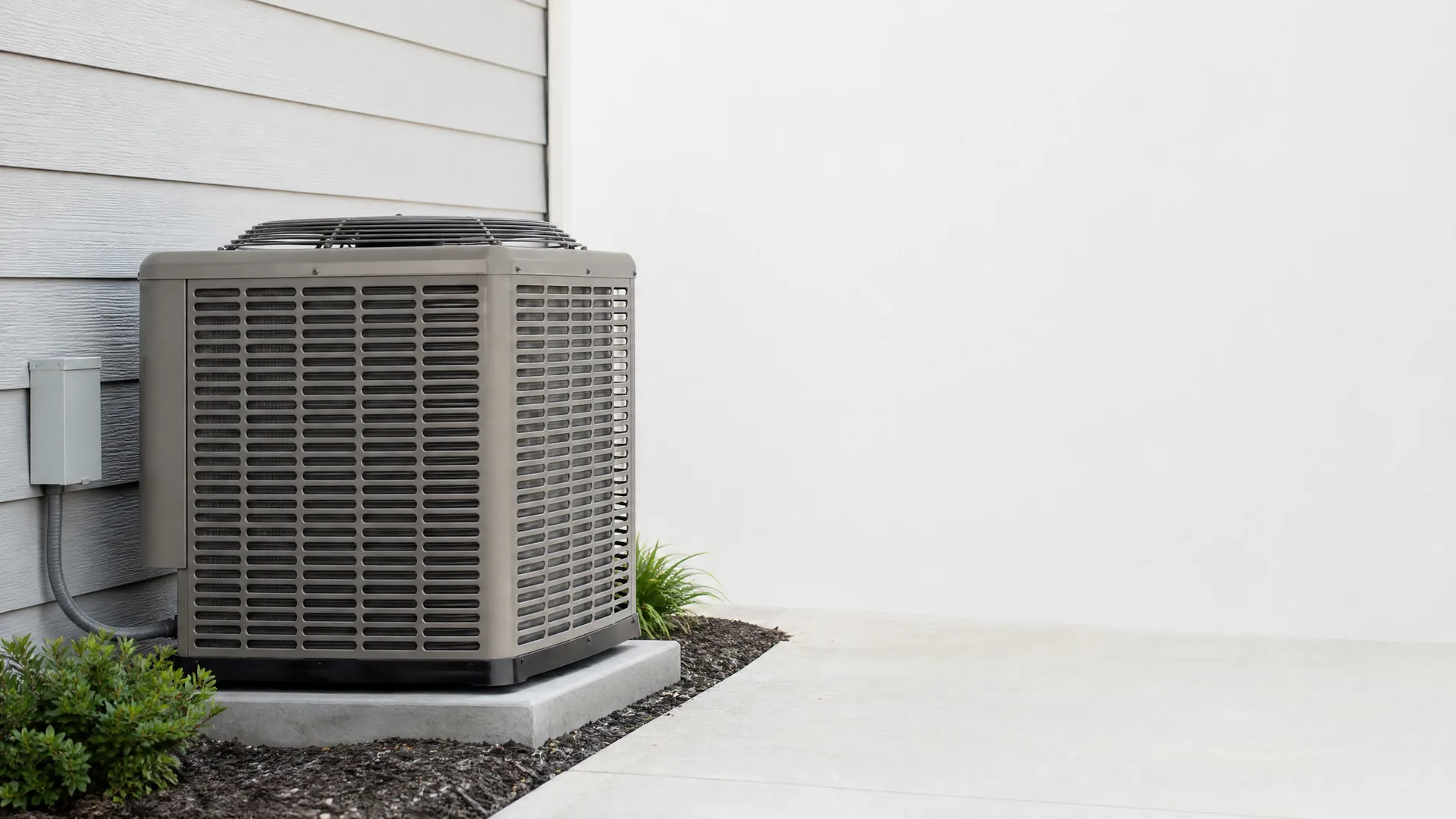
An outdoor air conditioner condenser unit on a concrete pad beside a house with light horizontal siding, with a small electrical disconnect box on the wall, mulch and shrubs at left, and a plain white wall and concrete slab at right.

Why a dirty coil costs you

The outdoor unit has a coil that releases the heat pulled from your house. When it's coated in dirt, pollen or grass clippings, that heat doesn't leave as easily, so the system runs longer to reach the same temperature. A tech can rinse the coil clean during a maintenance visit, and that alone can take real strain off a unit working through an Alabama summer.

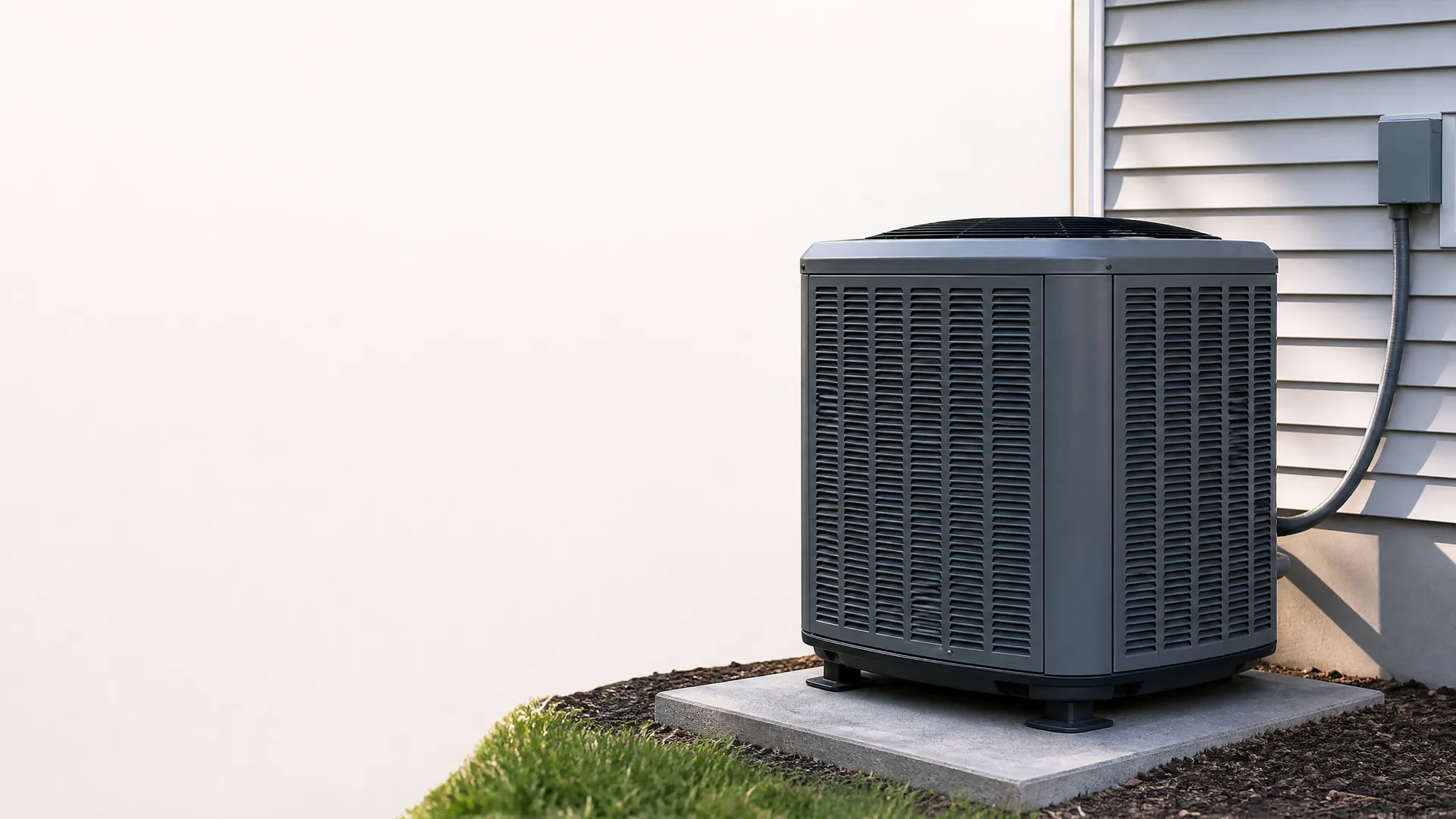
A dark gray outdoor air conditioner condenser unit on a concrete pad beside a house with horizontal siding and a plain light wall, with mulch and grass in the foreground and a conduit and electrical box on the wall.

What a refrigerant check catches

An AC system loses efficiency fast if it's low on refrigerant, and most homeowners never know it's happening because the air still gets cold, just not as cheaply. A low charge makes the compressor work harder for the same result. Checking refrigerant levels is a standard part of a maintenance visit, and catching a slow leak early keeps your power bill from climbing for a reason you never saw.

Does your AC run almost nonstop and the bill keeps climbing?

You might notice the outdoor unit never seems to shut off once the afternoon heat sets in, or the house takes longer to cool down than it used to after you bump the thermostat. Maybe one room stays warmer than the rest no matter how long the system runs. You could also hear it cycling on and off more than it used to, or notice warm air mixed in with the cool coming from the vents. Left alone, a system working that hard tends to wear out its parts sooner, and a compressor that fails mid-July leaves you without cooling exactly when you need it most.

A man in a blue sweatshirt reclines with closed eyes in a brown leather armchair in a living room with a bookshelf, houseplant, sofa, window, and a side table holding newspapers and a dark mug.
A bearded man in a gray pullover reclines with closed eyes on a brown leather sofa in a sunlit room with a window, framed picture, potted plant, and a wooden cabinet holding papers and a dark mug.
A man in a gray sweater leans back with closed eyes in a brown leather armchair beside a wooden side table holding a dark mug and a folded newspaper, with bookshelves and a window seat behind him.
A man in a green sweater reclines in an armchair with his eyes closed and a slight smile, beside a window with plants, a small table holding a mug and folded newspaper, and bookshelves behind him.

Finding a pro stops being your job

You already know what an Alabama summer does to the power bill. What you may not know is how much of that comes down to a system nobody has looked at since it was installed. A tech checking the charge, the coil and the airflow catches the drift before it turns into a repair, and that's the kind of thing that's easy to put off until the bill forces the question. Finding someone for that is its own chore: looking up contractors, calling a few, explaining the same thing each time, then sitting with quotes trying to guess who's worth it. Send the request instead and that whole search is off your plate. You're not the one chasing anybody down anymore. With the heat not letting up until fall, the sooner that system gets a real look, the sooner you stop wondering how high August is going to run.

Running the AC without maintenance

You keep the thermostat where it's always been and figure the system will manage, like it always has. But a system nobody has serviced loses a little capacity every year, a little refrigerant charge, a little airflow through a dirty coil or a clogged filter. None of it is dramatic enough to notice on any single day. It shows up instead as a bill that's higher this July than it was last July, for the same thermostat setting and the same weather. By August you're running the unit harder to get the same result, and the difference between that and where you started is the part nobody sees until the numbers are side by side.


Getting the system checked first

A tech comes out before the heat really sets in and checks the refrigerant charge, cleans the coil, looks at the airflow through the ducts and the filter. Whatever's dragging on the system gets caught and fixed before it costs you a full summer of higher bills. You're not guessing whether the unit is running the way it should, you know. That means the thermostat setting you pick actually matches the bill you get, instead of the gap between them growing all season. It's the difference between finding out in October that something was off, and never having that problem.

An older man with gray hair and a beard leans back on a beige sofa with his eyes closed, in a sunlit room with potted plants, a wicker chair and large windows behind him.
A woman in a cream knit sweater sits in an armchair with her eyes closed and a slight smile, beside an open window showing orange autumn foliage, with a mug, books and a lit candle on a small side table.

Running it a few degrees cooler

You set the thermostat to 70 because that's what feels right, and the AC runs almost the whole time the outdoor temperature stays up there. Every degree lower you ask for makes the system run longer to get there and longer to hold it once the sun's been on the roof all day. On a system that's never been serviced, that extra run time lands on a unit already losing capacity to a dirty coil or a weak charge, so the bill climbs faster than it would on a system that's been looked at. You get the comfort, but you pay for it twice.

Setting it a few degrees higher

You bump the thermostat to 76 or 78 when nobody's home, or just live with a little more warmth in the evening than you used to. The compressor cycles less, the coil and the fan motor get a break, and the bill reflects it by the end of the month. It's less comfortable on the hottest afternoons, and a system that's lost airflow or charge still won't cool as fast as it should even at the higher setting. A tech who's serviced the unit can tell you how much of that slowdown is the thermostat and how much is the equipment.

Power costs 16.09 cents per kilowatt-hour statewide

At 16.09 cents per kilowatt-hour, every extra hour your AC runs shows up fast on the bill. A system that's lost airflow or charge can run an hour or more longer a day to hold the same temperature, and in an Alabama summer that adds up month after month.

EIA-861 2025 statewide residential average

A system that's been checked and cleaned before the heat sets in runs the way it's supposed to: it cools the house in less time and shuts off instead of grinding through the afternoon. That's the whole answer. The rest is just whether you get to it before August does. Finding someone to look at it is usually the part that stalls people out, calling a few companies, waiting on callbacks, explaining the same thing about the upstairs room that never cools twice over. Send the form on this page and that part is done. You won't be the one tracking down a contractor, comparing quotes or repeating yourself to the next person who picks up the phone. Someone licensed to work on your system takes it from there. Your summer bill in Alabama is going to reflect how your AC is running right now, not how it ran when it was new. A tech catching a low charge or a dirty coil before July is the difference between a bill you expected and one that makes you go check the thermostat twice.

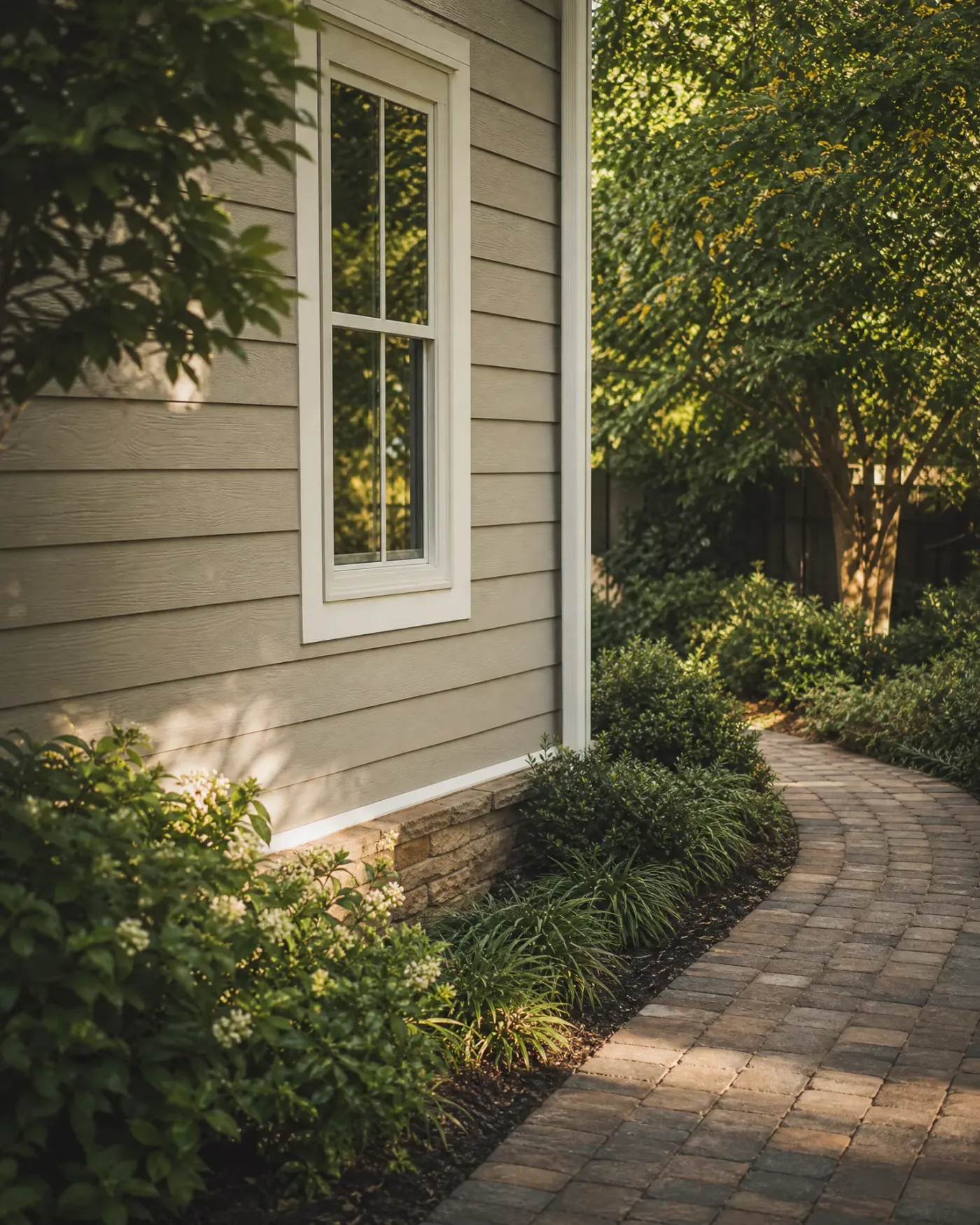
A curving paver walkway runs alongside a house with beige lap siding and a white-trimmed window, bordered by low shrubs, grassy plants, and trees in sunlight.
A dark-framed casement window with divided upper panes set in a stucco wall beside a stone-clad section, with hydrangeas, hostas and trimmed shrubs in a mulched bed above a lawn.
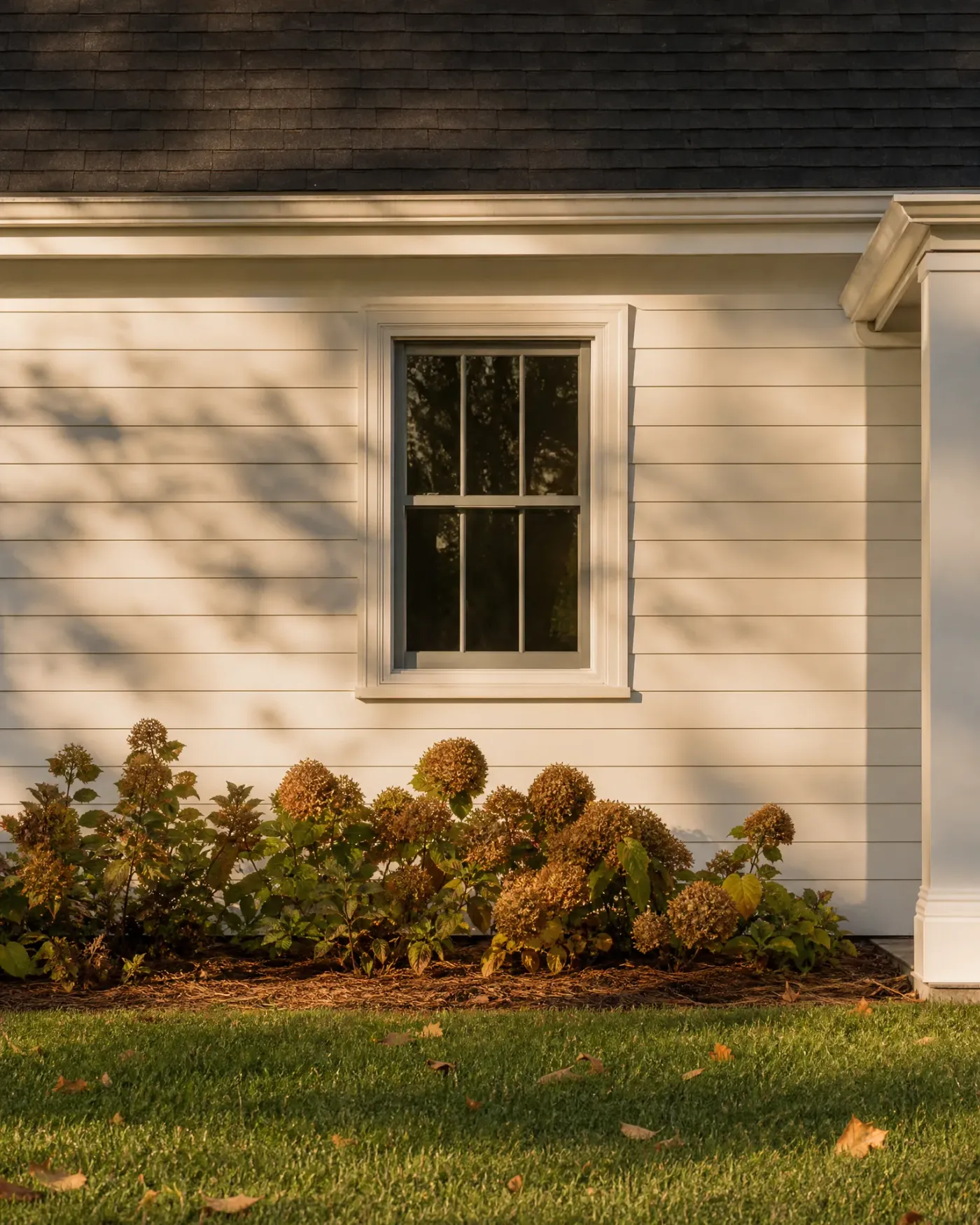
White horizontal lap siding wall with a single six-pane double-hung window, above a mulched bed of hydrangea shrubs with browning blooms, bordered by mown grass in low sunlight.
Interior corner with tan plaster walls, a potted olive tree in a large terracotta urn beside a floor-to-ceiling window, and a wooden bench with a beige cushion on a herringbone brick floor partly covered by a woven jute rug.
A wooden bench beneath a window holds a green linen cushion and a fringed cream throw, with a woven basket stored underneath on a wood plank floor.

Let someone else find the pro

Skip searching for an air conditioner pro and answer a few questions instead.

Skip calling around

There's no charge for the request.