

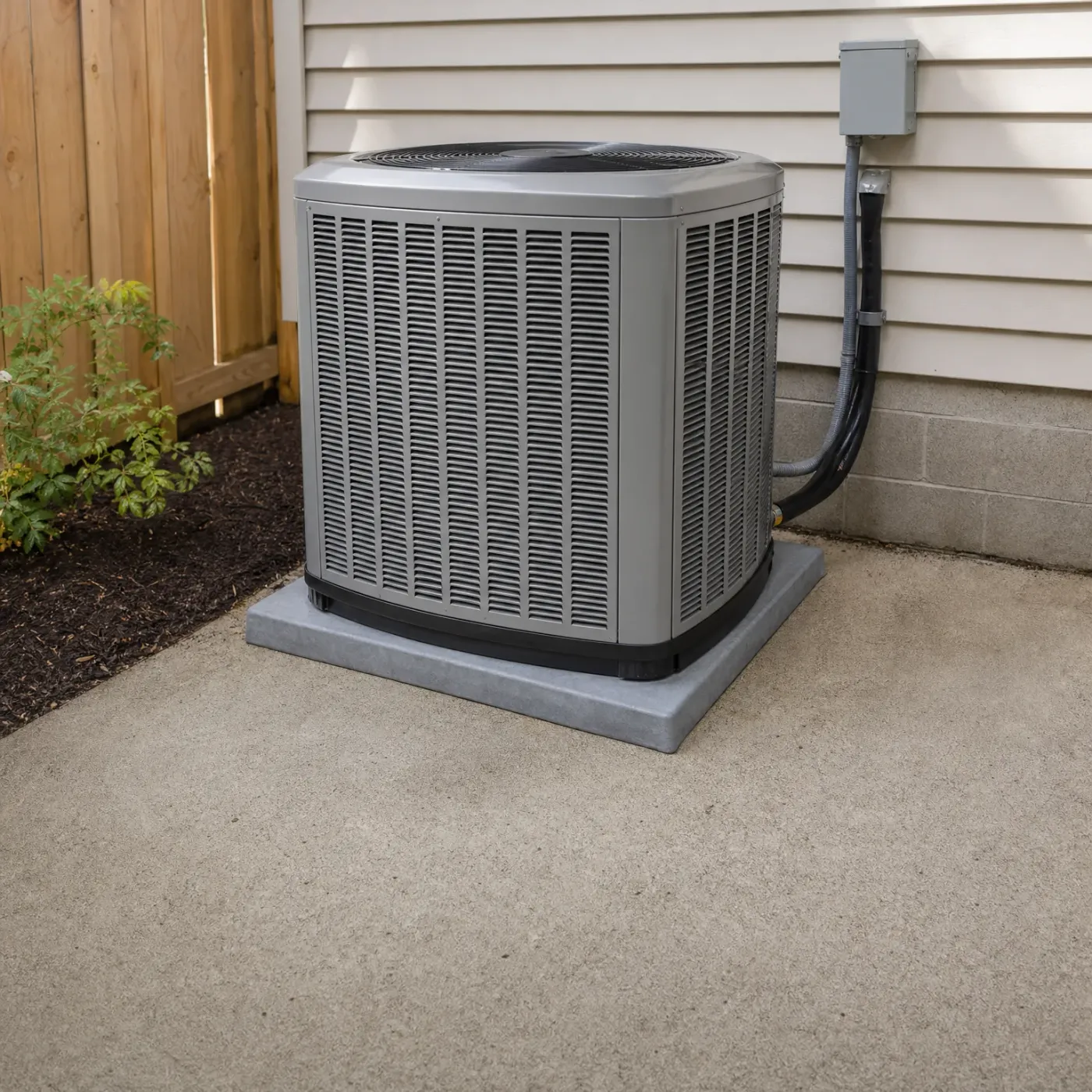
Single-stage AC
This unit runs at one speed. Full blast until the house hits temperature, then it shuts off completely. On a humid Alabama afternoon it cycles on and off all day, and each restart pulls hard before settling into a steady run.
A local installer who puts in air conditioners gets your project.
Get a local proYou keep your house in good shape, and you're looking at a new AC system wondering if the variable-speed option is worth the extra cost or just a sales upgrade. With Alabama summers running long and muggy, and electric heat on top of that come winter, you want to know if this actually pays off for a system that runs as hard as yours does.
A variable-speed AC runs at low speed most of the time instead of switching fully on and off. That matters in Alabama because the compressor stays running through long stretches of summer, often from April into October. Running at a lower, steady speed pulls more moisture out of the air than a single-speed unit cycling on and off, which makes the house feel more comfortable at a higher thermostat setting. Since most homes here heat with electric furnaces or heat pumps, and electricity costs more here than in a lot of other states, a system that uses less power to hold the same temperature carries more weight on your bill than it would somewhere with cheaper power or a shorter summer.
This unit runs at one speed. Full blast until the house hits temperature, then it shuts off completely. On a humid Alabama afternoon it cycles on and off all day, and each restart pulls hard before settling into a steady run.
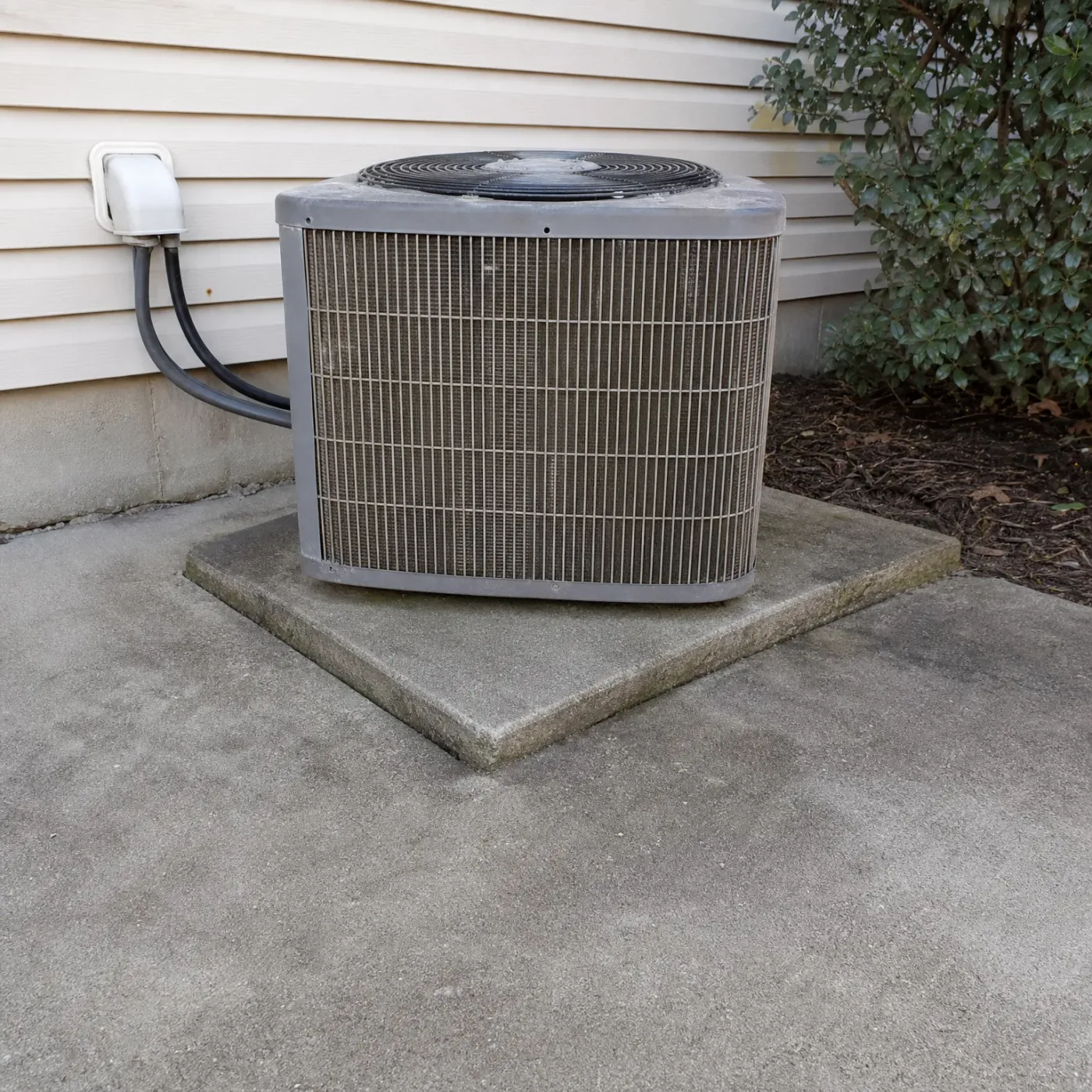
This unit adjusts its output instead of switching on and off. It runs longer at a lower speed, which pulls more moisture out of the air during a muggy stretch and avoids the hard restarts a single-stage unit goes through on the same afternoon.

Upstairs, the air sits thick even with the sun down. It's past eight and still bright outside, the way June evenings go on here. The box fan in the window turns on high, pulling in air that isn't much cooler than what's already in the room. You can hear the AC running downstairs, steady, but up here the heat from the day is still caught under the roof. The sheets feel damp before anyone's even under them. A kid lies on top of the covers, arm over their eyes, waiting for the room to catch up to the rest of the house. The fan just moves the warm air around.
Skip collecting and comparing quotes for the new air conditioner.
No fee to send it, and nothing to sign.
A single-stage system cools the air but has little control over how long it runs, so it pulls moisture out of the house only while it's blasting at full speed.
A variable-speed system can run low and long, moving air across the coil slowly enough to wring the humidity out of it, which is most of what makes an Alabama house feel cool.




Lower upfront cost and simple repairs, but it runs full blast or not at all, leaving your house more humid between cycles.
Costs more to install, but it runs long and slow, pulling steady moisture out of the air through the muggiest Alabama months.

A single-stage compressor has one setting: on or off. A variable-speed compressor uses a drive that changes its motor speed in small steps, often dozens of them, based on what a sensor reads at the thermostat and sometimes at the coil. Most of the time it sits at a low speed, moving refrigerant just fast enough to match the heat coming into the house. It only climbs toward full speed on the hottest part of an Alabama afternoon, when the load actually calls for it.
That low, steady speed is also why the blower can move air slowly across the coil for long stretches, which is what pulls moisture out of the air instead of just cooling it. Getting that setup right in your house depends on the coil, the ductwork, and how the contractor commissions the drive after it's installed, not just the equipment itself. A page like this can tell you how it works. Matching you with a contractor who installs these regularly in homes like yours is a separate step, and one that saves you from having to vet that yourself.

Across Alabama, summer air averages a dew point of 69°F, the measure of how much moisture is actually in the air you breathe, not just the temperature. Source: NOAA climate normals. At that level, a single-stage AC fights an uphill battle. It cools the house fast, shuts off, and the moisture it left behind creeps back in before the next cycle kicks on. A variable-speed system runs at low speed for long stretches, moving air across the coil slowly enough to pull that moisture out instead of just chilling it. You'd feel the difference as less clamminess between cycles, not just a lower number on the thermostat.
NASA POWER T2MDEW county cells weighted by homes
You check the thermostat and it says 72, but the air feels thick. The sheets feel damp. Windows fog up on the inside when the AC kicks on after sitting off for a while. Wood doors stick in their frames during July and August, then loosen up again in the fall. A musty smell shows up in the closets or the basement, even though nothing's visibly wet. None of this means the unit is broken. It means it's cooling the house faster than it can wring the moisture out of the air, which is what a single-stage system does by design. Left alone through enough humid summers, that extra moisture is what feeds mold and mildew and what slowly works on wood trim, cabinets and flooring.


At that rate, every extra hour your AC spends running full blast to cool the house shows up on the bill. A single-stage system racks up those hours fast on a long Alabama summer, while a variable-speed unit sips power running low and steady instead of slamming on and off.
EIA-861 2025 statewide residential average
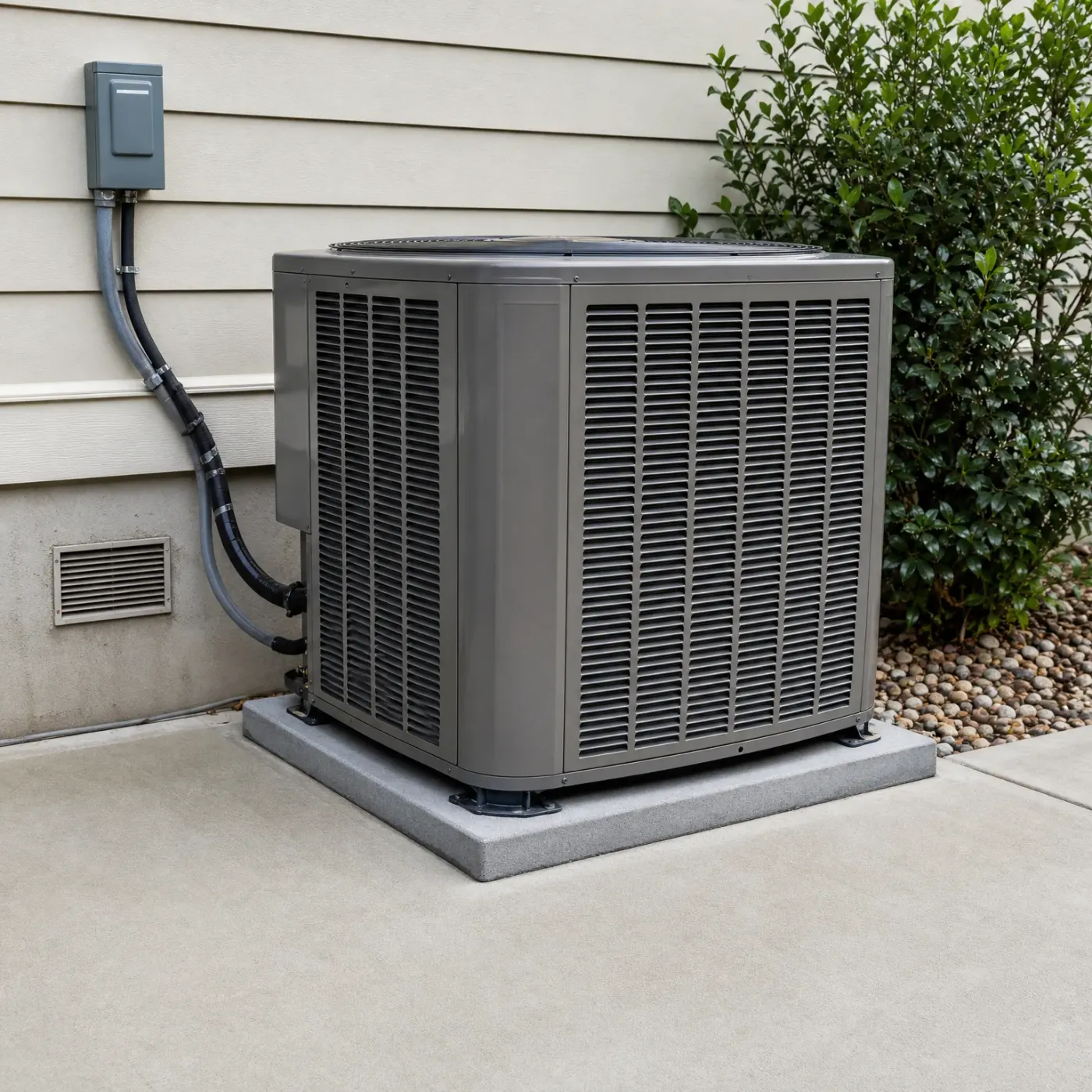
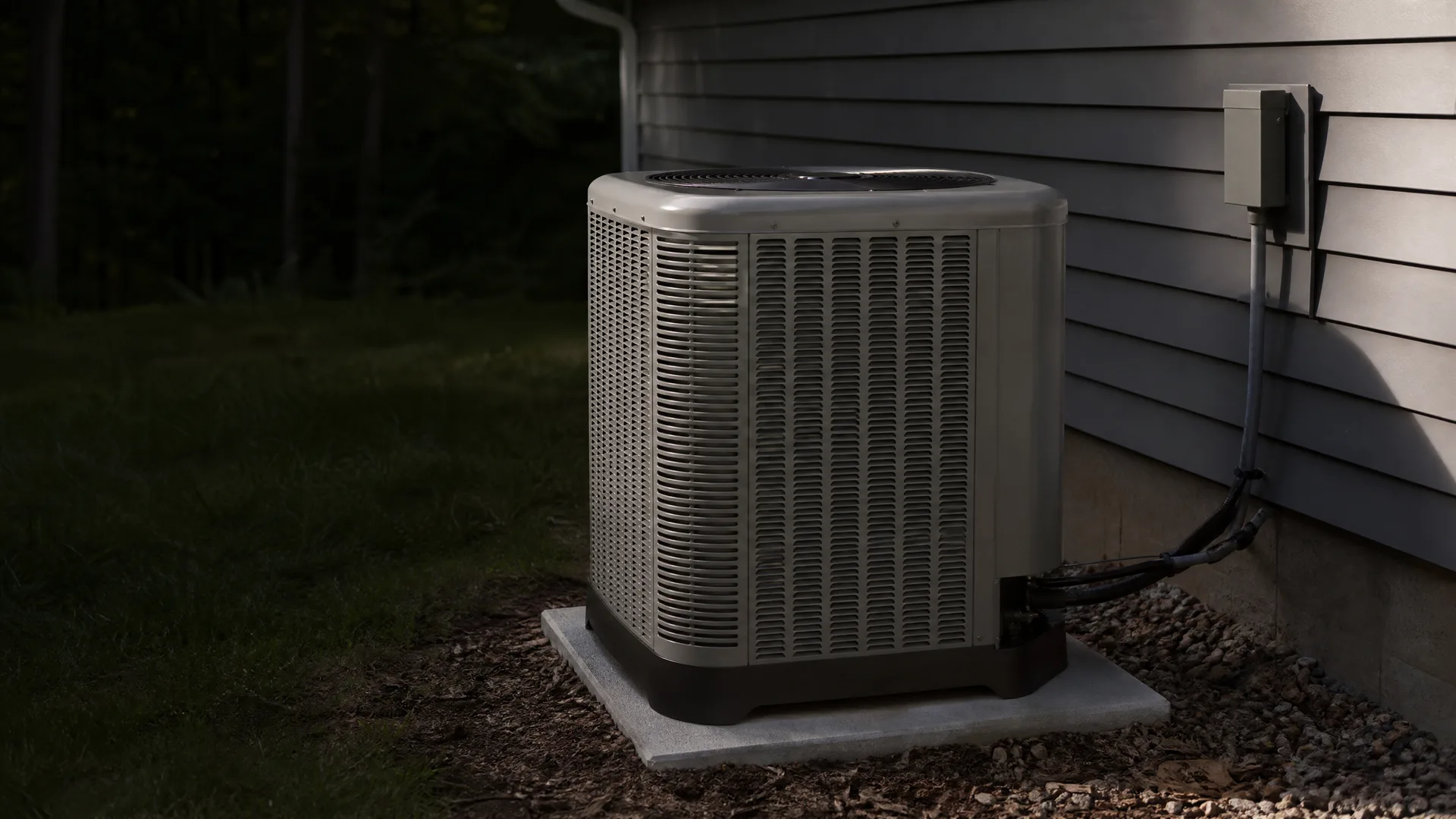
This is what a condenser looks like doing its job, lines and conduit running clean up the wall, nothing straining. Whether it gets there by shutting off completely or by easing down to a low speed depends on which system is inside.
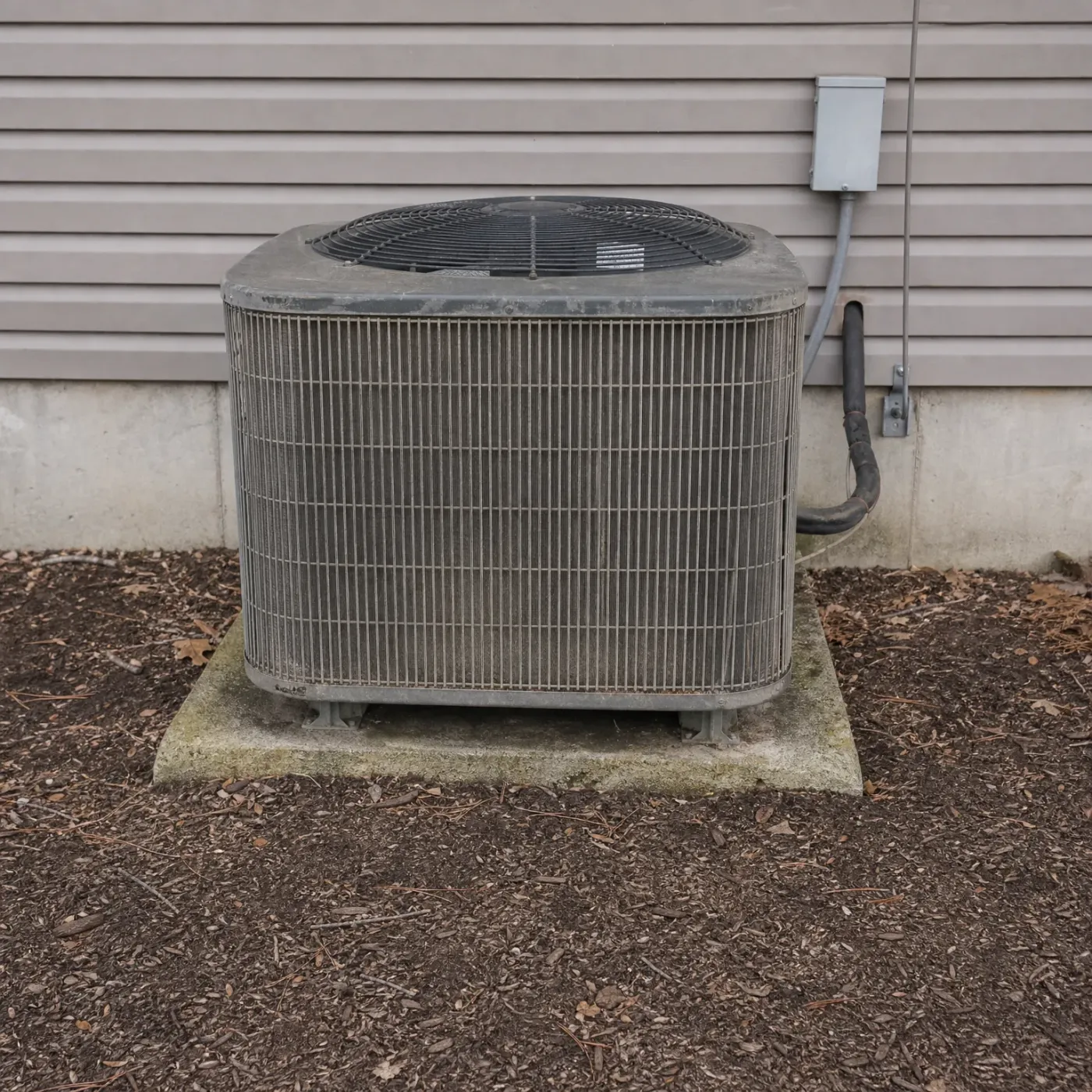
Dirt packed into the coil fins blocks airflow no matter how the compressor is built. A single-stage unit pushes through it at full blast. A variable-speed unit has less room to run low and quiet when the coil underneath is already working against grime.
A variable-speed AC is worth it if you plan to stay in the house long enough to feel the difference every summer, year after year, in steadier temperatures and drier air. A single-stage unit will cool the house too, just in a harder, wetter way. Both are real choices, not a trick question. What you don't need is to spend weeks sorting out which one makes sense for your house, your ductwork, your budget. You'd otherwise be calling around to different contractors, repeating the same details about your home each time, then trying to compare quotes that are never quite apples to apples. Getting matched with a contractor who knows Alabama installs skips that part. You still decide what goes in your house. You just stop doing the legwork alone.
An air conditioner pro near you