Alabama Air Condition
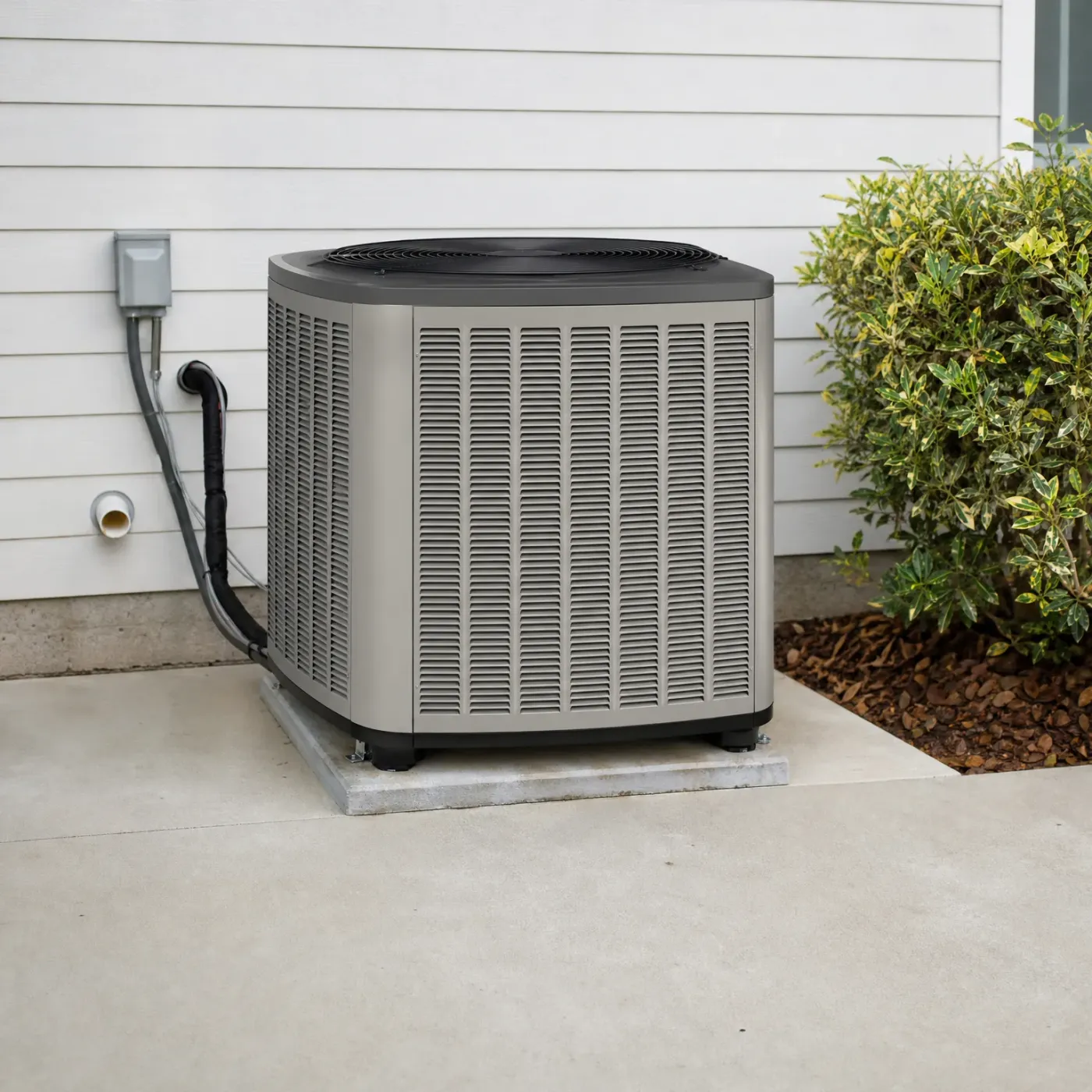
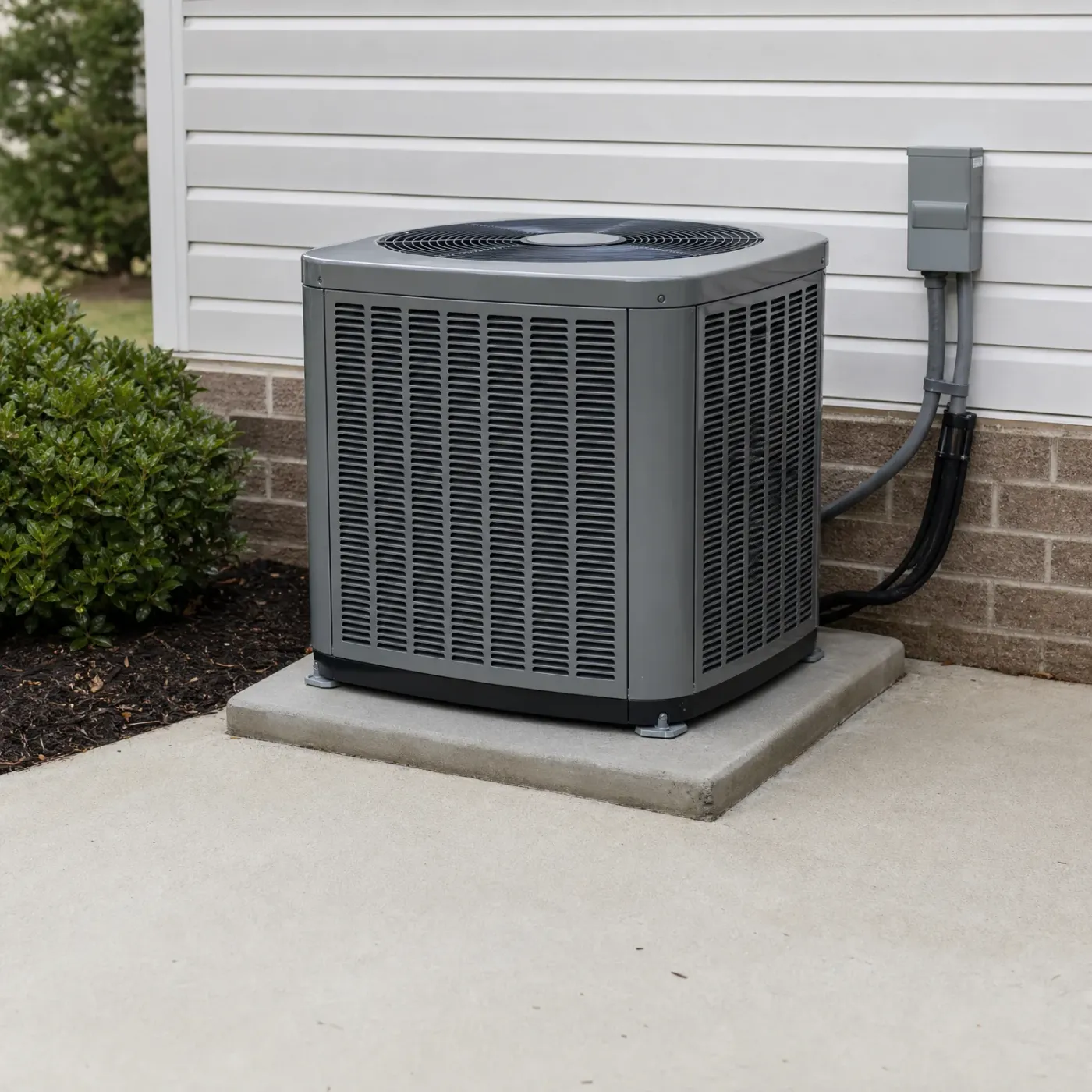
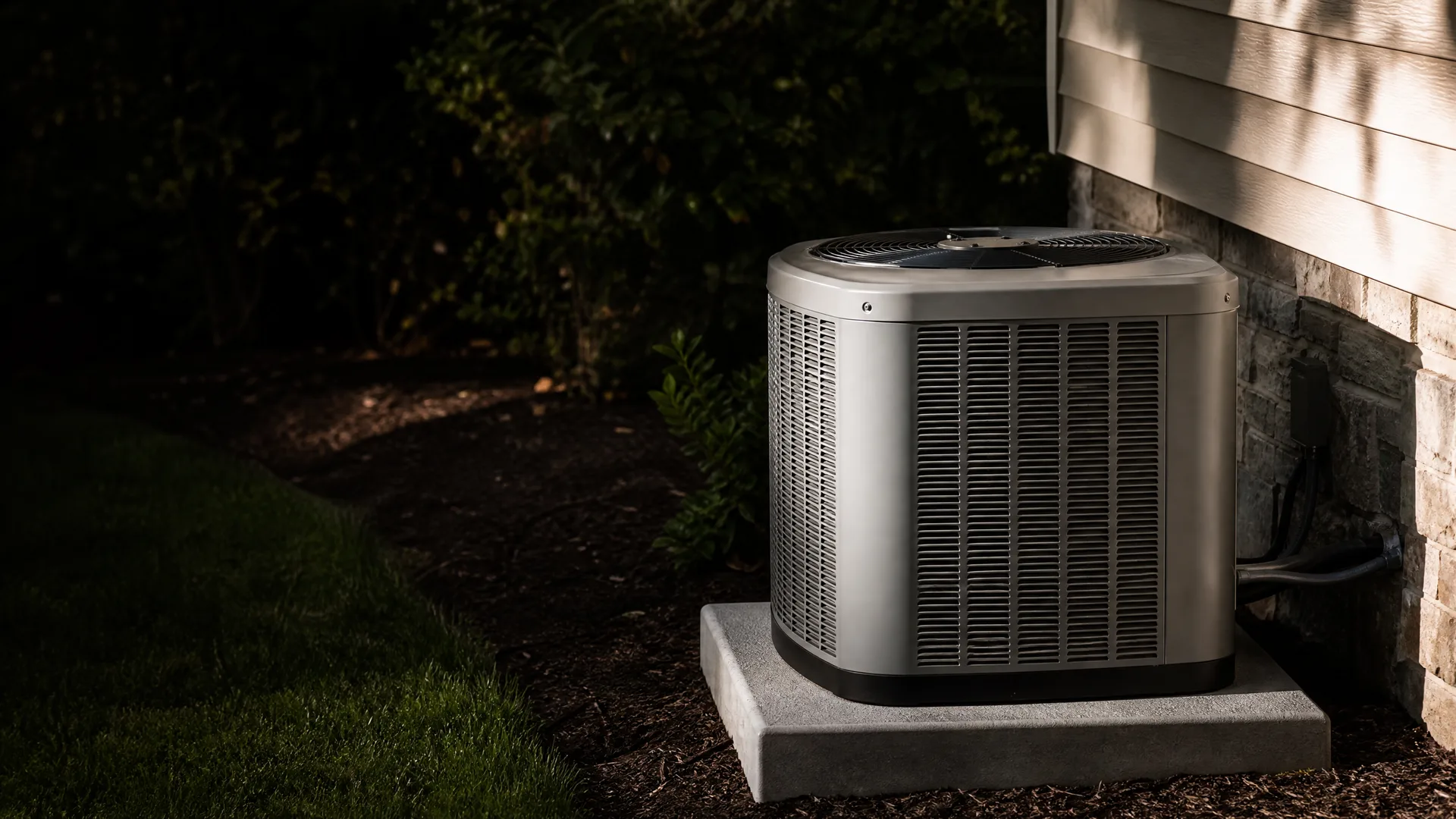
An outdoor air conditioning condenser unit on a concrete pad beside a house with horizontal siding, with an electrical disconnect box on the wall and shrubs to the right in low evening light.

Skip calling around

The R-410A phase-out and new AC units in Alabama

R-410A is being phased out, and if your AC runs on it, you're probably wondering what that means for repairs or a new system in Alabama's heat. This page gets into what the phase-out changes and when a new install makes more sense than patching up the old unit. Instead of calling around to different companies, explaining your system over and over, and sorting through quotes, you get matched with one licensed Alabama contractor who installs AC systems and already knows the R-410A situation cold.

Skip the calls

R-410A is being phased out because the EPA is requiring new air conditioners to use refrigerants with a lower impact on the atmosphere. Since 2025, manufacturers have stopped building new residential AC units that use R-410A, replacing it with R-454B and similar refrigerants. Your current system can still run and still be serviced. R-410A hasn't disappeared, but it now has to be recovered and recycled rather than produced new, so it costs more than it used to, and that cost moves with supply. In Alabama, where an AC can run from April into October, a major repair on an older R-410A system is worth weighing against a new unit built for the current refrigerant. A properly sized new system also matters here, since undersized equipment struggles to keep up and runs longer than it should against the humidity, pushing up a power bill that's already high.

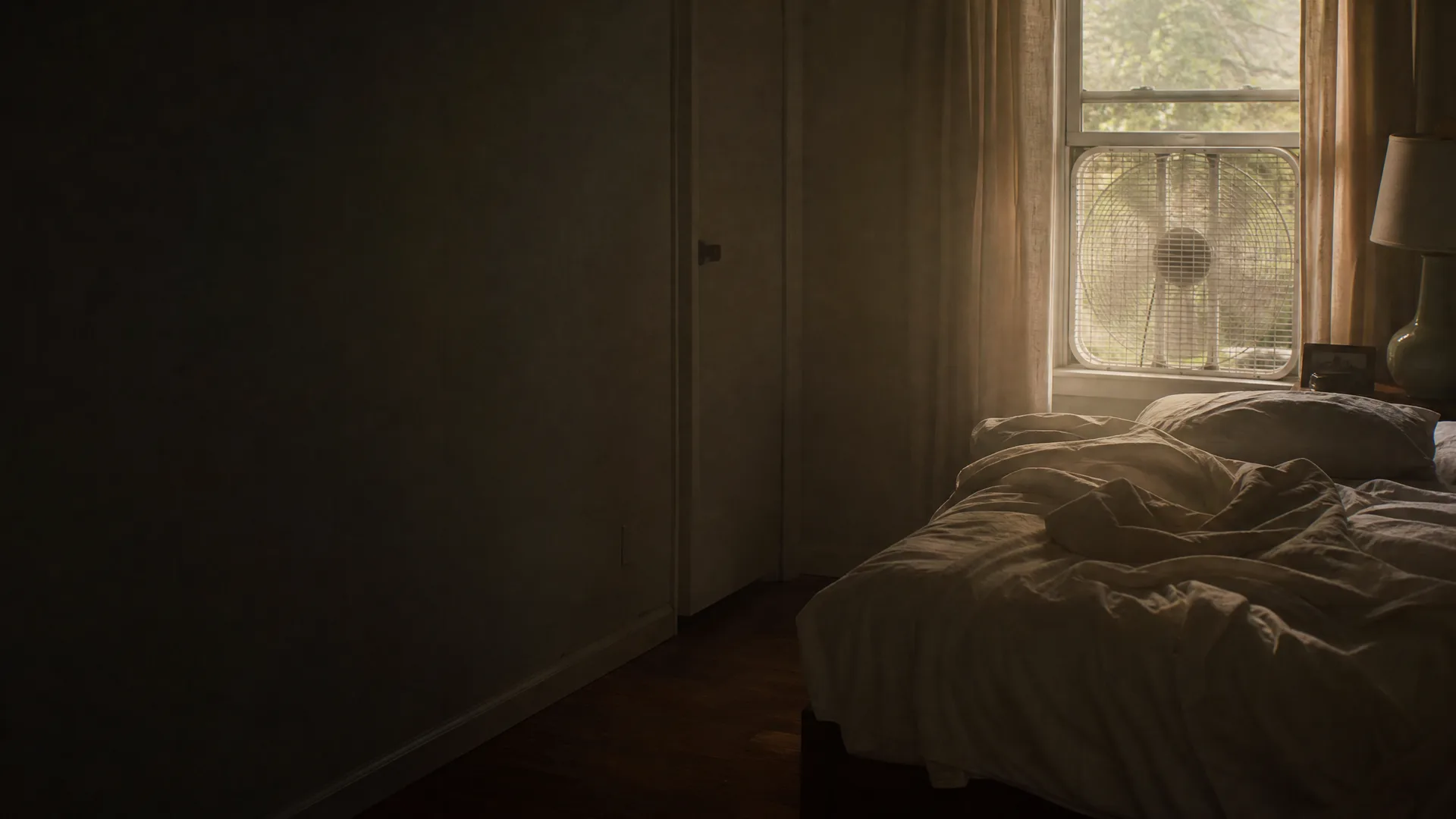
A dim bedroom with an unmade bed beside a window holding a box fan, with sheer curtains, a lamp at right and a large blank wall at left.

You're upstairs around eight, and the room still hasn't let go of the day's heat. The box fan sits in the window, pulling in air that's barely cooler than what's already in here, just pushing the haze around. You can hear it humming under the quiet of the house. Your shirt's sticking to your back. Downstairs the thermostat probably says the AC's running, but up here it doesn't feel like it's reaching this far, not tonight. You lie on top of the sheets instead of under them. Outside, the evening's gone dark but the air through the screen is still thick, still June, still Alabama, and the fan just keeps turning.
Can I still get R-410A if my AC needs a repair instead of a new unit?

If your outdoor unit needs a repair and it's low on refrigerant, the question is whether a contractor can still get R-410A to finish the job, or whether that option is already gone. With Alabama summers pushing AC units hard, a reader asking this wants a straight answer about what's available right now, not a sales pitch toward replacement.

Yes, R-410A is still available for repairs on existing units

The 2025 change stopped manufacturers from building new AC units that use R-410A. It didn't make R-410A illegal to sell or use. A contractor working on your current system can still buy R-410A to fix a leak or recharge the line. What's changing is supply and price, since less of it is being produced each year as the industry moves to R-454B. If your unit is several years old and needs a repair, a technician who knows the equipment can tell you whether patching it with R-410A makes sense or whether the cost of refrigerant on an aging system is pushing you toward a point where replacing it outright is the better move.

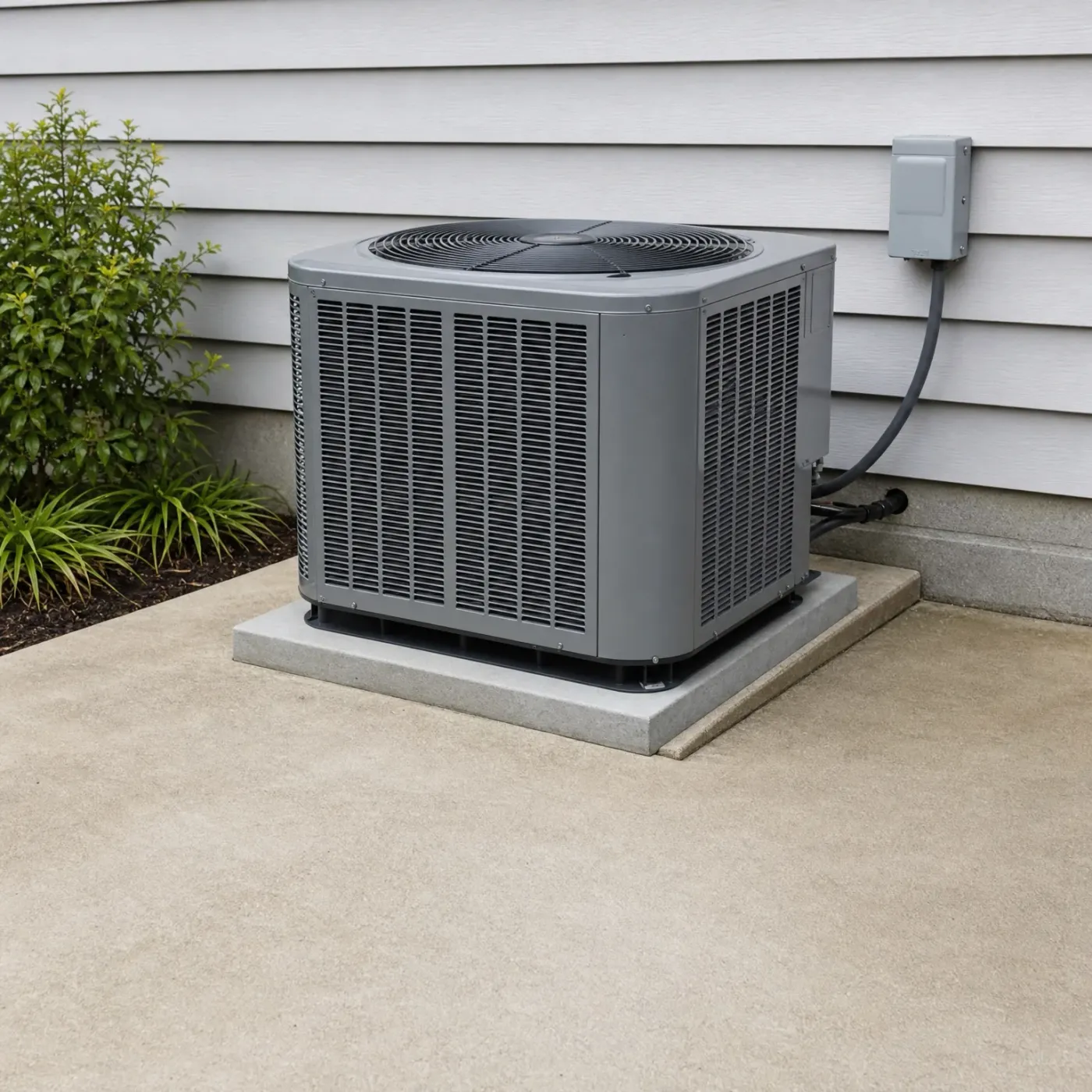
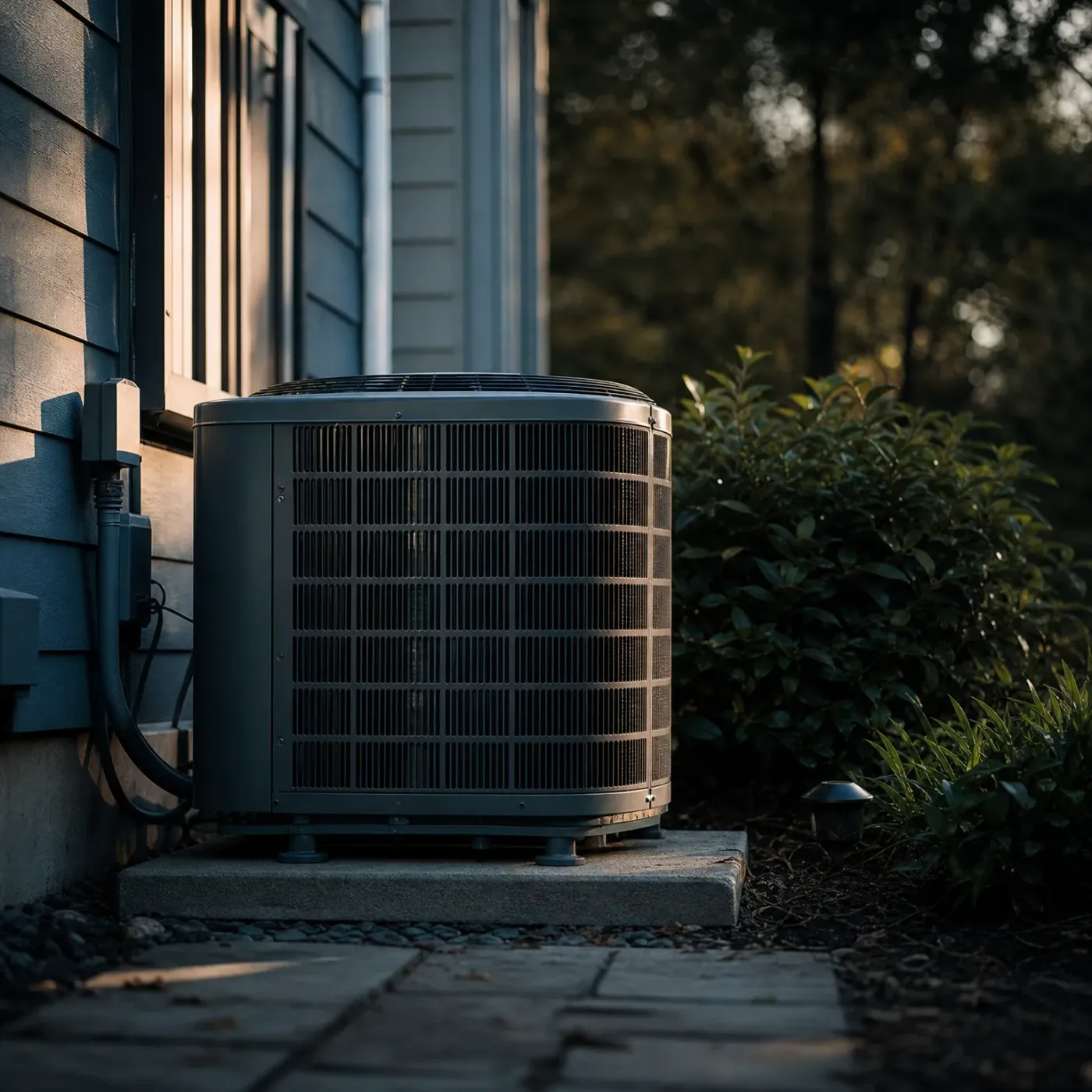
A gray outdoor air conditioning condenser unit on a concrete pad beside a house with horizontal lap siding, with a wall-mounted disconnect box and conduit, and shrubs to the left.

A unit still doing its job

This condenser is clean, mounted level on its pad, with the disconnect box and conduit in good shape. An R-410A system like this can still be repaired and recharged for now, and there's no reason to replace it early just because of the phase-out.

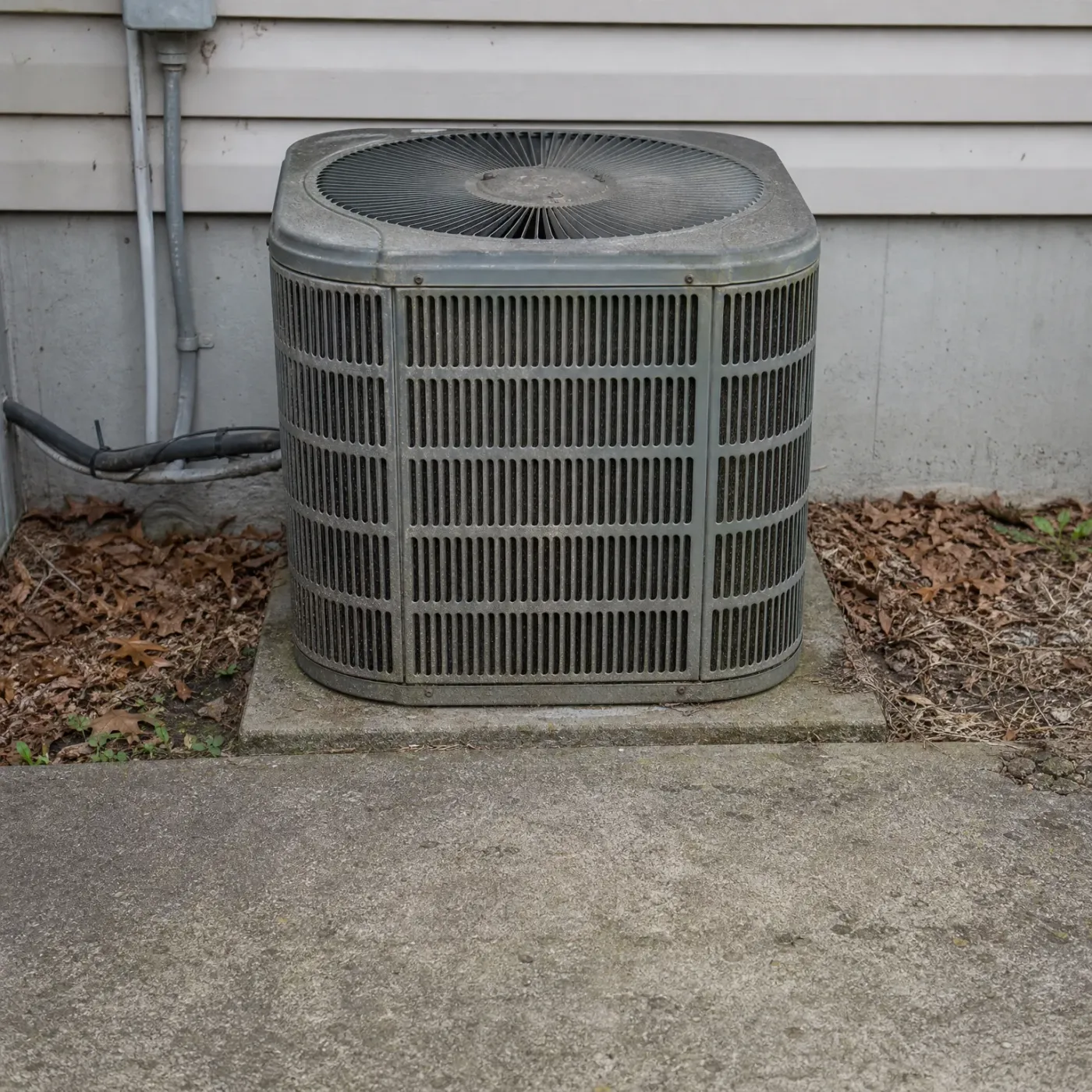
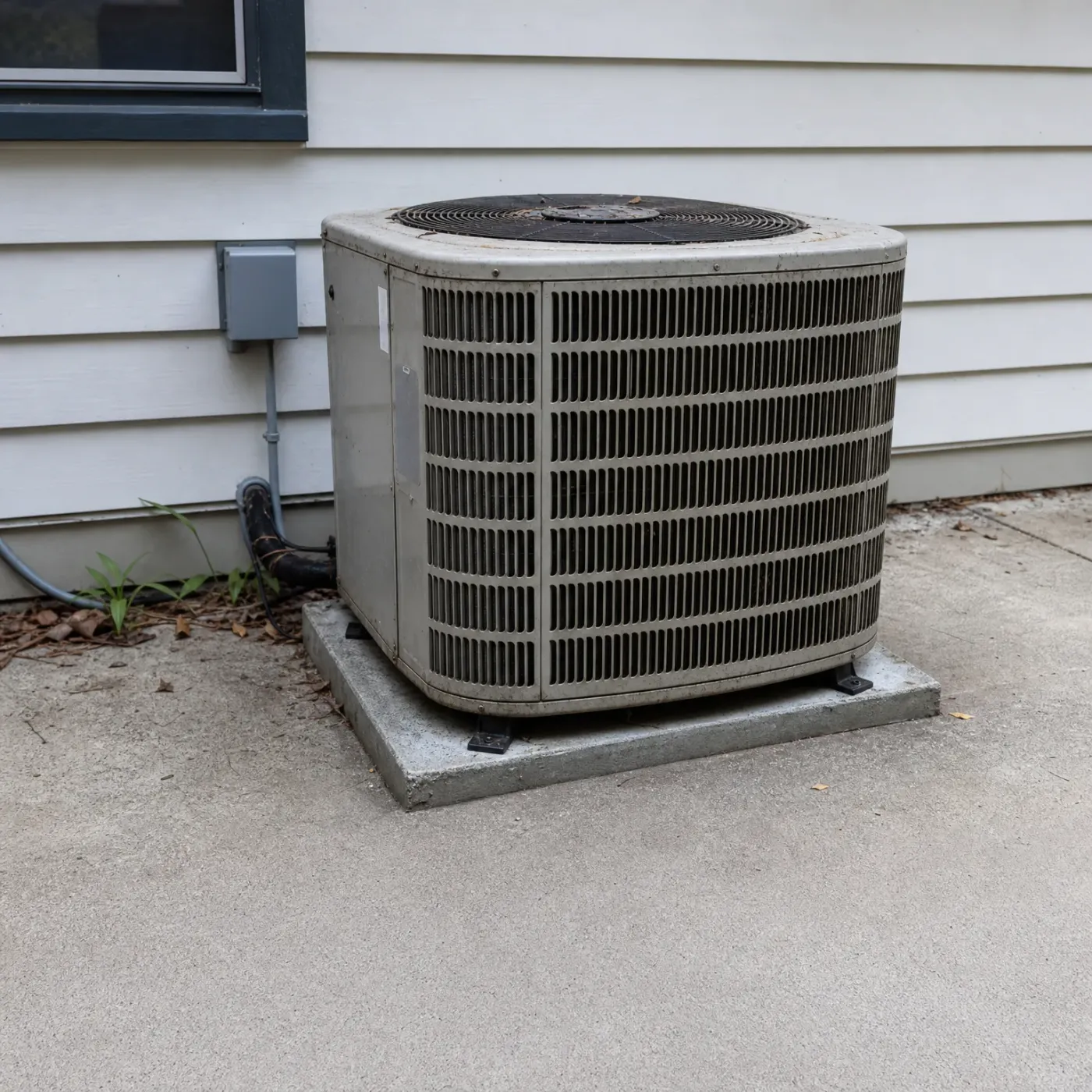
An outdoor air conditioning condenser unit on a concrete pad beside a house with horizontal siding and a concrete foundation, with dry brown leaves on the ground to either side.

A unit on its way out

Leaves piled against the coil, grime on the cabinet, lines running bare along the wall. An older R-410A unit in this shape is getting harder to keep running, and in Alabama heat, that's the one most worth having a licensed installer look at before it quits outright.

A man with grey hair and stubble in a dark sweater sits on a grey sofa indoors, looking off to the side, with a potted plant and a sunlit window behind him.
A man with gray hair, a beard and glasses, wearing a dark green sweater, sits on a gray sofa in a sunlit living room with a potted plant, table lamp and wooden sideboard behind him.
A middle-aged man with graying hair and a short beard sits on a blue sofa in a living room, looking toward a window, with a bookshelf, lamp and framed picture in the background.
A man with graying curly hair and a dark green sweater sits on a gray sofa in a sunlit living room, looking off to the side, with a framed picture, shelving, an armchair and a window with sheer curtains behind him.

Describe it once

One installer gets your project, so there's no bidding war over it.

Asking costs nothing, and the choice to hire stays yours.

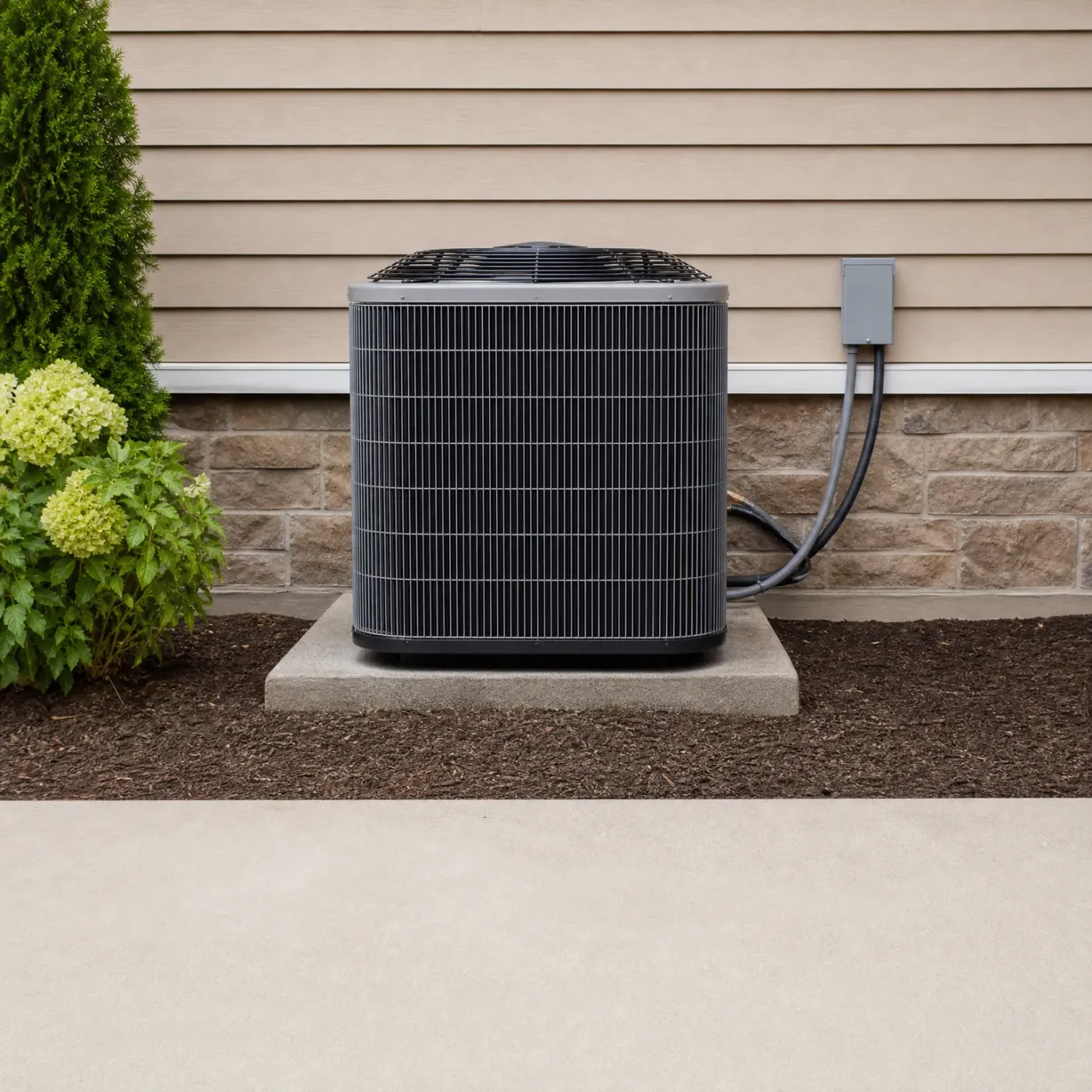
An outdoor air conditioner condenser unit on a concrete pad beside a house with beige horizontal siding and a stone-veneer base, with refrigerant lines running to a gray wall-mounted electrical box, surrounded by dark mulch, a flowering shrub and an evergreen on the left.

Running fine

This condenser is bolted down square on its pad, lines wrapped, disconnect box mounted clean on the wall beside it. Nothing here says it needs attention. An R-410A unit in this shape can keep cooling your house through an Alabama summer without you thinking twice about what refrigerant is inside it.

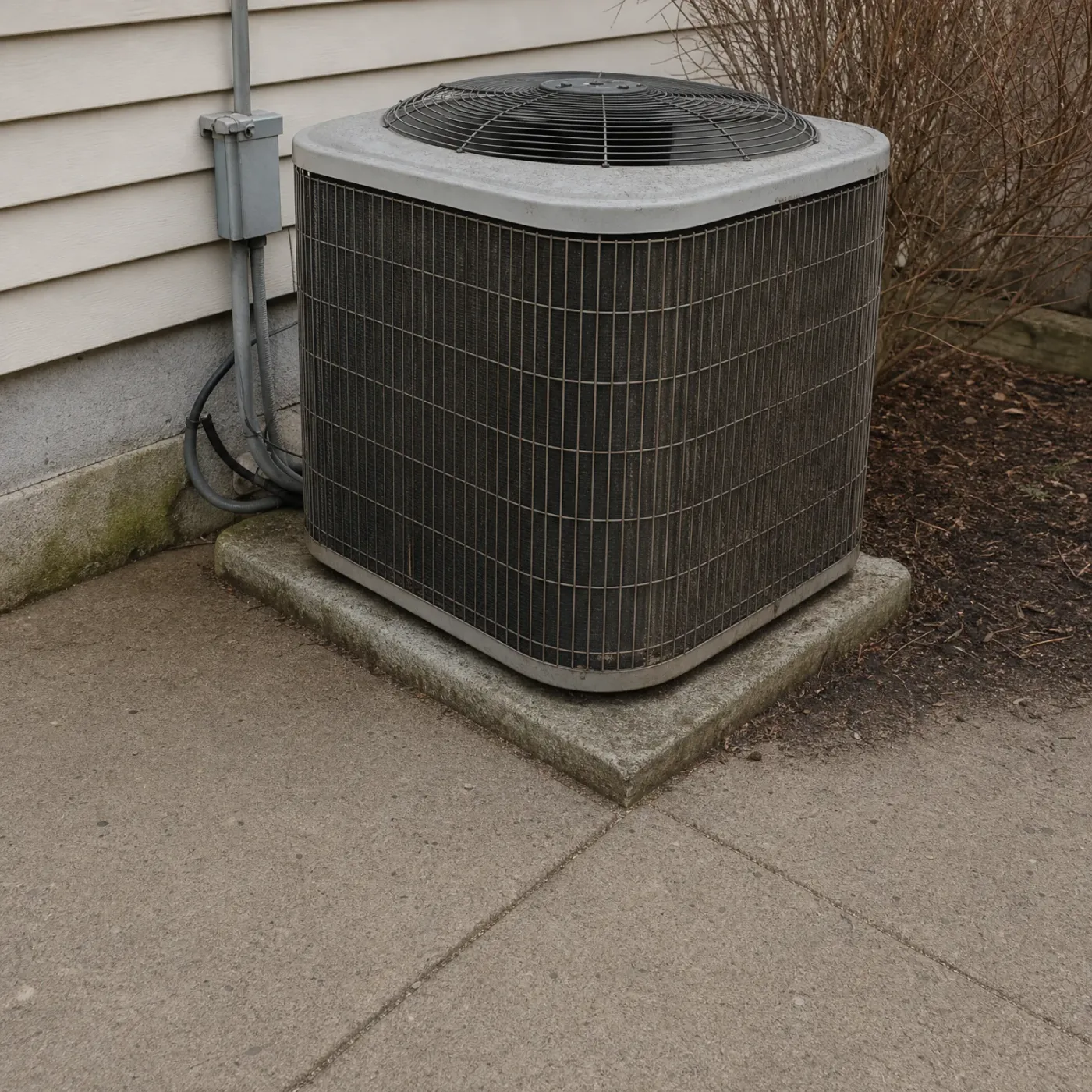
An outdoor air conditioning condenser unit on a concrete pad beside a house with light vinyl siding, an electrical disconnect box and conduit on the wall, bare shrubs and mulch to the right, and a concrete walkway in the foreground.

Breaking down

This one is older and starting to show it, and if it needs a repair that calls for R-410A, that gets harder to source every year it's sold. A contractor who knows the equipment can tell you whether it's worth recharging again or whether the smarter move is a new unit built for what's available now.

A woman with shoulder-length brown hair wearing a beige knit cardigan sits in a gray upholstered armchair near a window, looking off to the side with a slight smile, with bookshelves blurred in the background.
A woman with her hair in a bun holds a sleeping young child against her chest, both wrapped in a textured beige knit blanket on a sofa in a dimly lit room with a lamp, framed picture, and bookshelf behind them.

R-410A production ends, supply doesn't

Manufacturers stopped building new R-410A units, but the refrigerant itself is still being made for servicing the systems already out there.

Describe it once

New systems run on R-454B

A new install in Alabama now comes with this replacement refrigerant, built to the latest standard and sized to carry your home through the summer.

Describe it once

Why does your AC seem to be struggling more this year?

You notice the outdoor unit running longer than it used to, especially by mid-afternoon when the heat sits heaviest. Maybe it cycles on and off more than it did last summer, or the air coming out of the vents doesn't feel as cold as you remember. If a contractor has already said it's low on refrigerant, that's worth paying attention to in a different way now. An R-410A system that keeps needing to be topped off is losing refrigerant somewhere, and that leak won't fix itself. Left alone, it means the compressor works harder to do the same job, your power bill climbs, and the unit wears toward a bigger failure. In Alabama's heat, a system running that strained through July and August doesn't have much room left to give.

An outdoor air conditioning condenser unit on a concrete pad beside a house with white horizontal lap siding, with an electrical disconnect box and insulated refrigerant line on the wall and a shrub over mulch to the right.
A unit like this, running on R-410A, still has a place in an Alabama summer with the right upkeep.
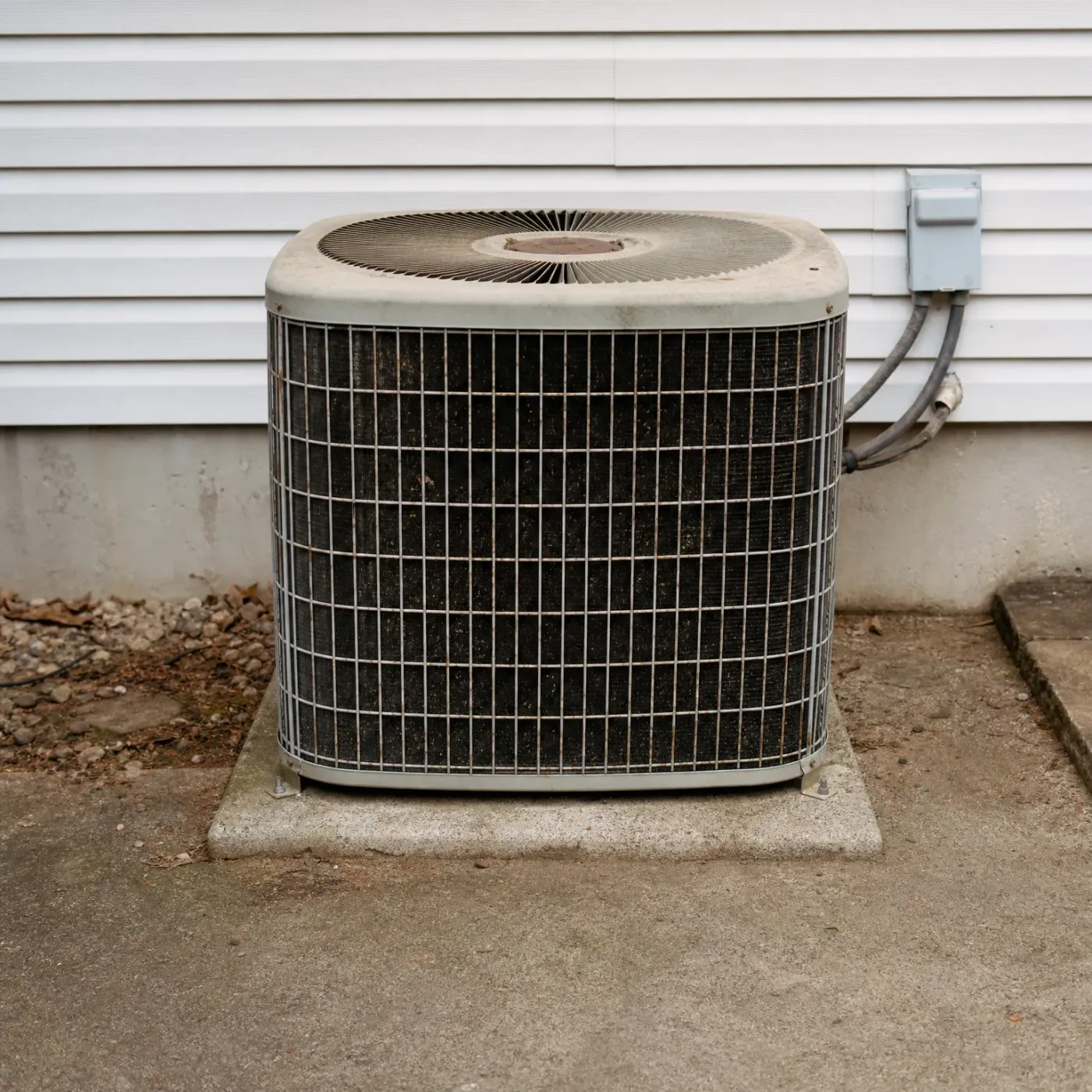
An outdoor air conditioner condenser unit on a concrete pad beside a house with light horizontal lap siding, with an electrical disconnect box and conduit on the wall behind it.
Weathering like this on an R-410A unit is when it's worth asking a local contractor about a switch to R-454B.
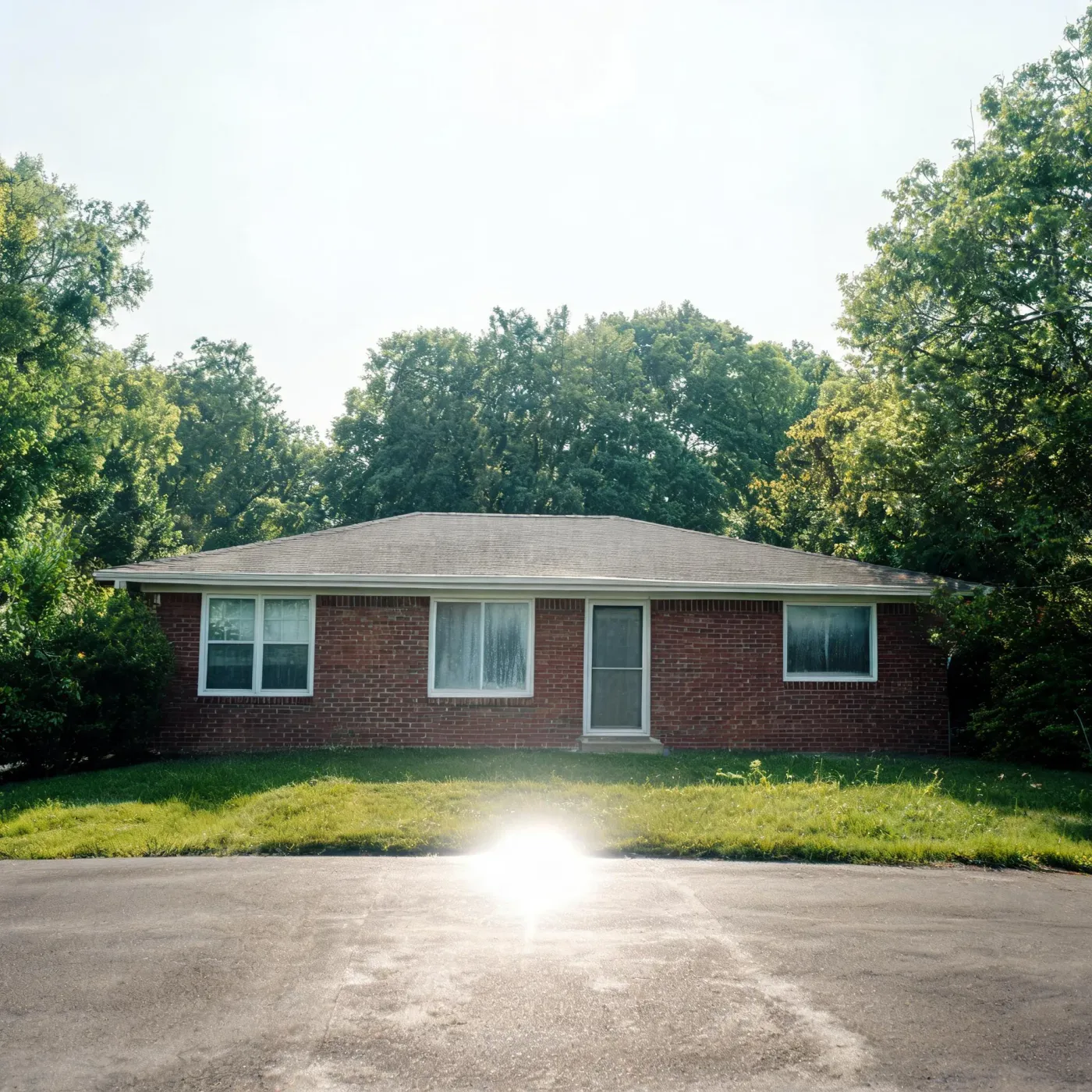
A single-story red brick house with a shingled hip roof, three windows and a central storm door, fronted by a mowed lawn and an asphalt driveway, with dense green trees behind it and sun flare in the foreground.

A dew point of 69°F is what NOAA's averages show across Alabama for June, July and August, and that's the number that tells you how heavy the air actually feels, more than the temperature on the thermostat does. Air that damp doesn't want to give up its moisture, so your AC has to pull harder and run longer just to get the humidity down to where the house feels dry. That's why the unit outside seems to never shut off some afternoons, and why the air coming out of the vents can feel cool but not quite comfortable. An R-410A system in good shape can still manage this, but it's working against that moisture all summer long.

NASA POWER T2MDEW county cells weighted by homes

An outdoor air conditioning condenser unit on a concrete pad beside a house with white horizontal vinyl siding, with a gray electrical disconnect box and refrigerant lines on the wall behind it.
Before you get your air conditioner installation
A gray outdoor air conditioner condenser unit on a concrete pad beside a house with white horizontal siding and a brick foundation, with a wall-mounted disconnect box and conduit, and a green shrub with mulch at left.
After you get your air conditioner installation

You call around to a few companies, explain the same thing about your outdoor unit to each one, then wait on quotes that come in at different times with different numbers.

One licensed Alabama contractor gets the details once, looks at what you actually have, and tells you straight whether R-454B makes sense for your house.

Power costs 16.09 cents per kilowatt-hour statewide

At 16.09 cents a kilowatt-hour, every hour your compressor runs longer than it needs to shows up on the bill. A new R-454B system sized and installed right for your house won't run any less in an Alabama summer, but it won't be fighting a weak charge or a tired compressor to do the same job either.

EIA-861 2025 statewide residential average

  1. A contractor checks your home's cooling load and ductwork first.

  2. They size the new R-454B system to match your house.

  3. The old outdoor unit, coil and lines get disconnected and removed.

  4. New line sets go in, since R-454B runs at different pressures.

A closed laptop and a cream mug of coffee on a coaster sit on a dark wooden table, with a potted plant at left and a kitchen counter, tiled backsplash and shelf of ceramics in the background.

Where that leaves your AC

R-410A isn't gone. If your system runs on it and it's holding its charge, a contractor can still service it. When it's done, or close to it, a new system means R-454B, sized for your house and installed with the line set that refrigerant needs. Either way, the decision comes down to the shape your unit is in right now, not the calendar.

Getting to that answer usually means calling around, walking each company through the same details about your outdoor unit, and waiting on quotes that land days apart with no easy way to compare them. One licensed Alabama contractor can look at your system, tell you straight whether it's a repair or a replacement, and quote the job without you repeating yourself three times over. You end up with one answer from someone who actually looked at your unit, not three guesses from people who didn't.

Interior corner of a room with a window and sheer curtain at left, a gray upholstered sofa with a cushion at right, and a round wooden table holding stacked books and a round vase with an olive branch.
An outdoor air conditioner condenser unit sits on a concrete pad beside a house with horizontal siding and stone veneer, next to mulch, shrubs, and grass.

One form, no calling around

Step 1 of 3: Equipment