Alabama Air Condition

When to replace an AC unit in Mobile, AL

Your new air conditioner project goes to an installer who works in Mobile County.

Get matched

Most air conditioners in Mobile earn their keep for 12 to 15 years before the cost and frequency of repairs outweigh keeping them going. In a climate where the system runs hard from April through October, that wear shows up sooner than it would somewhere with a shorter summer. A few signs point to replacing rather than repairing again: the unit is past 10 years old and needs a repair over a few hundred dollars, your power bills have crept up with no other explanation, rooms cool unevenly no matter what you set the thermostat to, or you're calling for a repair more than once a year. If your system is still under 10 years old and this is its first real repair, fixing it usually makes more sense. Past that point, you're often paying to keep an inefficient unit limping through another Mobile summer instead of putting that money toward one that will handle the humidity without strain.

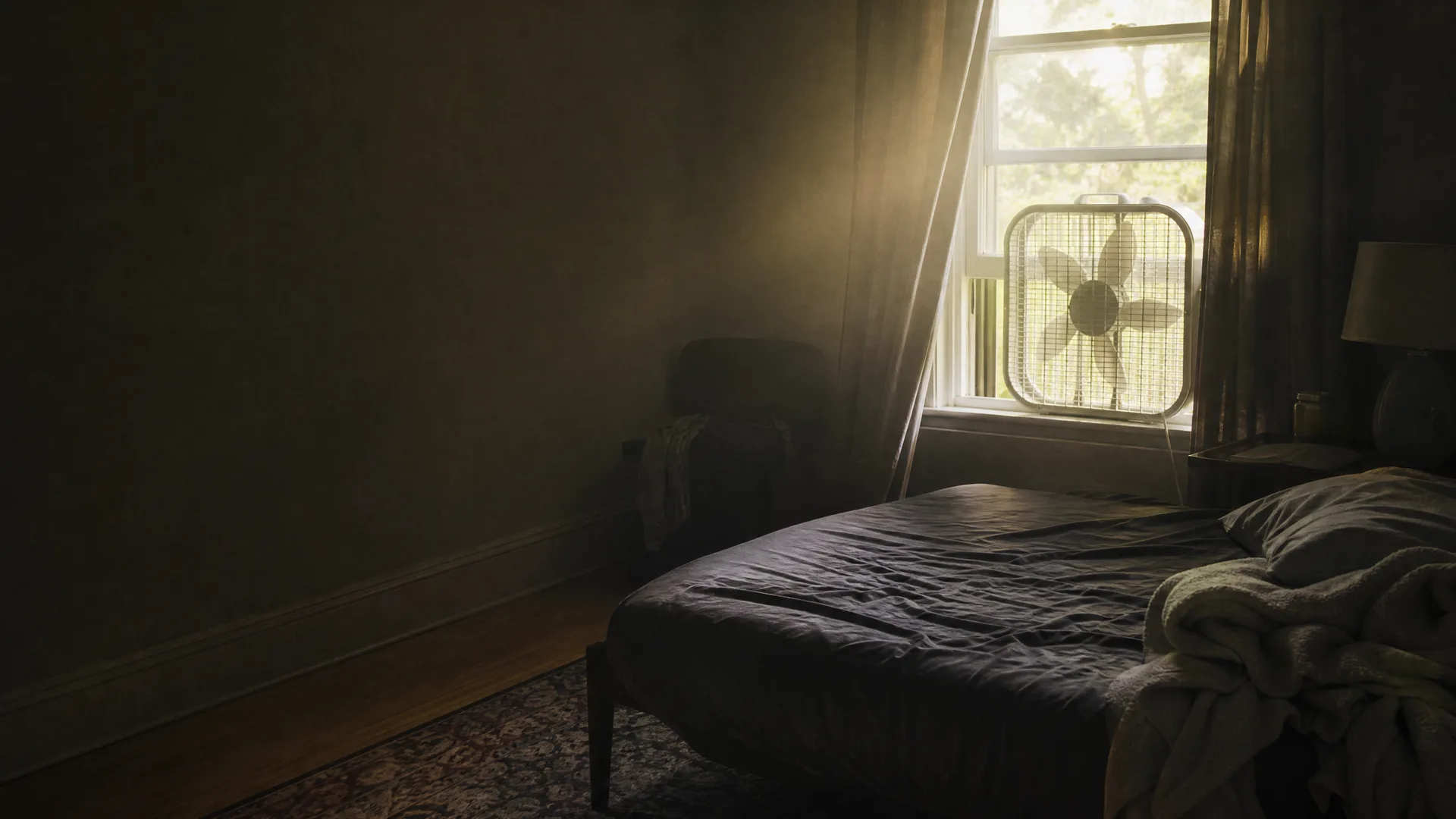
A dim bedroom with an unmade bed, a box fan set in a partly open window with curtains, a chair against the wall, and a patterned rug on a wood floor.

By nine o'clock the sun's been down for an hour and the room still hasn't given up the heat. The box fan sits in the open window, pulling in air that's barely cooler than what's already inside, and it just pushes the haze around instead of clearing it. Your kid's lying on top of the sheets, not under them, one arm hanging off the side of the bed. You've checked the thermostat twice already. It says 74 but the room doesn't feel like 74, it feels like the air stopped moving somewhere between the vent and the bed. Down the hall you can hear the unit outside still running, has been for a while now, and it hasn't caught up.


Is your AC telling you it's done?

You might hear it before you feel it. A clatter or grinding noise from the outdoor unit, or a hiss that wasn't there last summer. The air coming out of the vents feels warmer than it should, or one room stays hot no matter where you set the thermostat. Some houses get a musty smell when the system can't pull enough moisture out of the air, which matters in a place as humid as Mobile. You might notice the unit running almost nonstop through the afternoon and still not catching up. A system working that hard for that long tends to need repairs more often, and each one costs you while you wait on a fix that may not last through next summer.

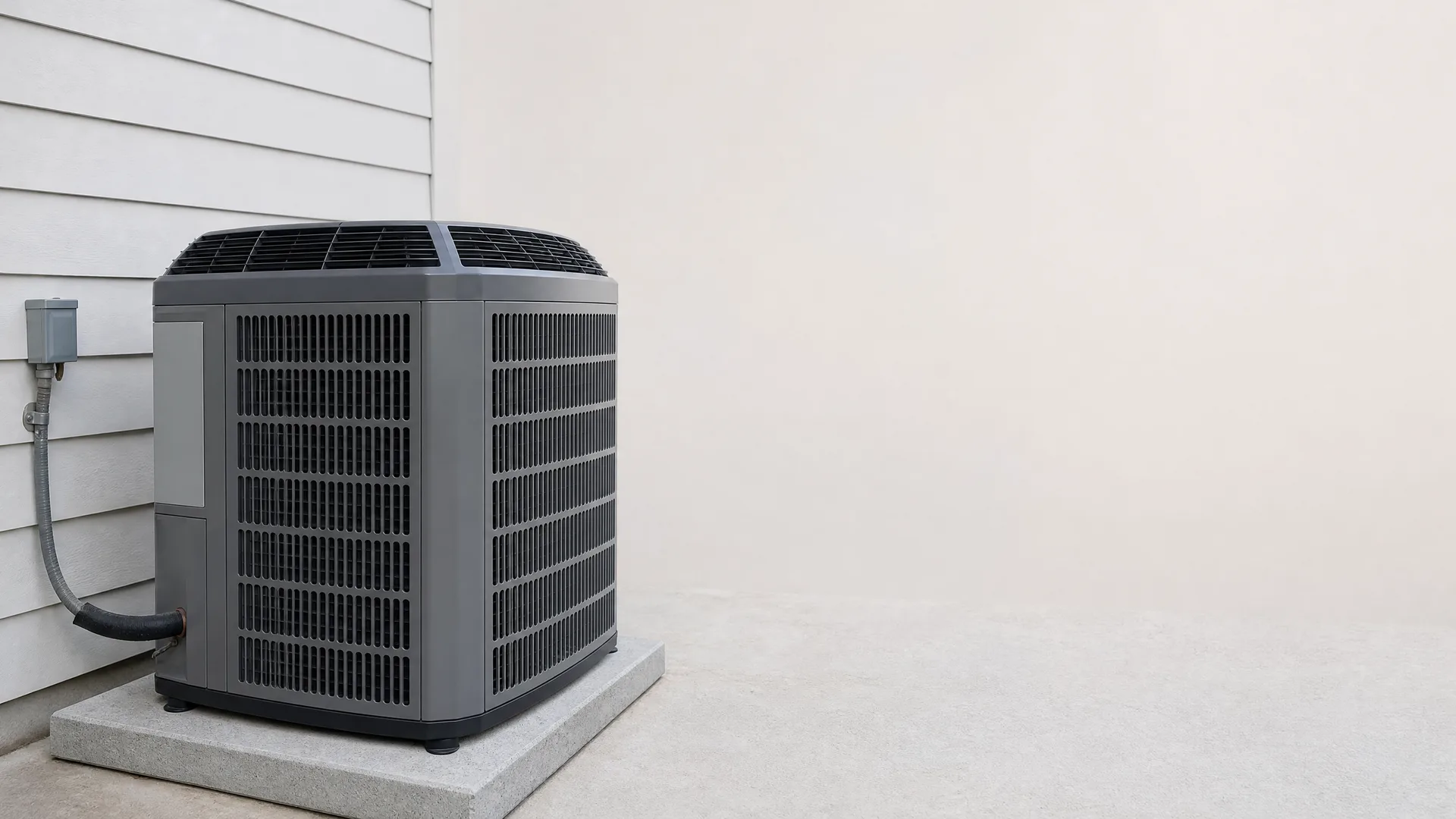
A gray outdoor air conditioner condenser unit on a concrete pad beside a house with horizontal siding, with an electrical disconnect box and conduit on the wall behind it.

Running longer than it used to

An aging system doesn't shut off as quickly as it once did. It takes longer to bring a room down to the temperature you set, so it ends up running more hours a day to keep up. In Mobile, where the compressor is working against heat and humidity from April through October, those extra hours add up fast. A unit that cycles on and off throughout the afternoon instead of settling into a rhythm is burning more power to do the same job it used to do with less.

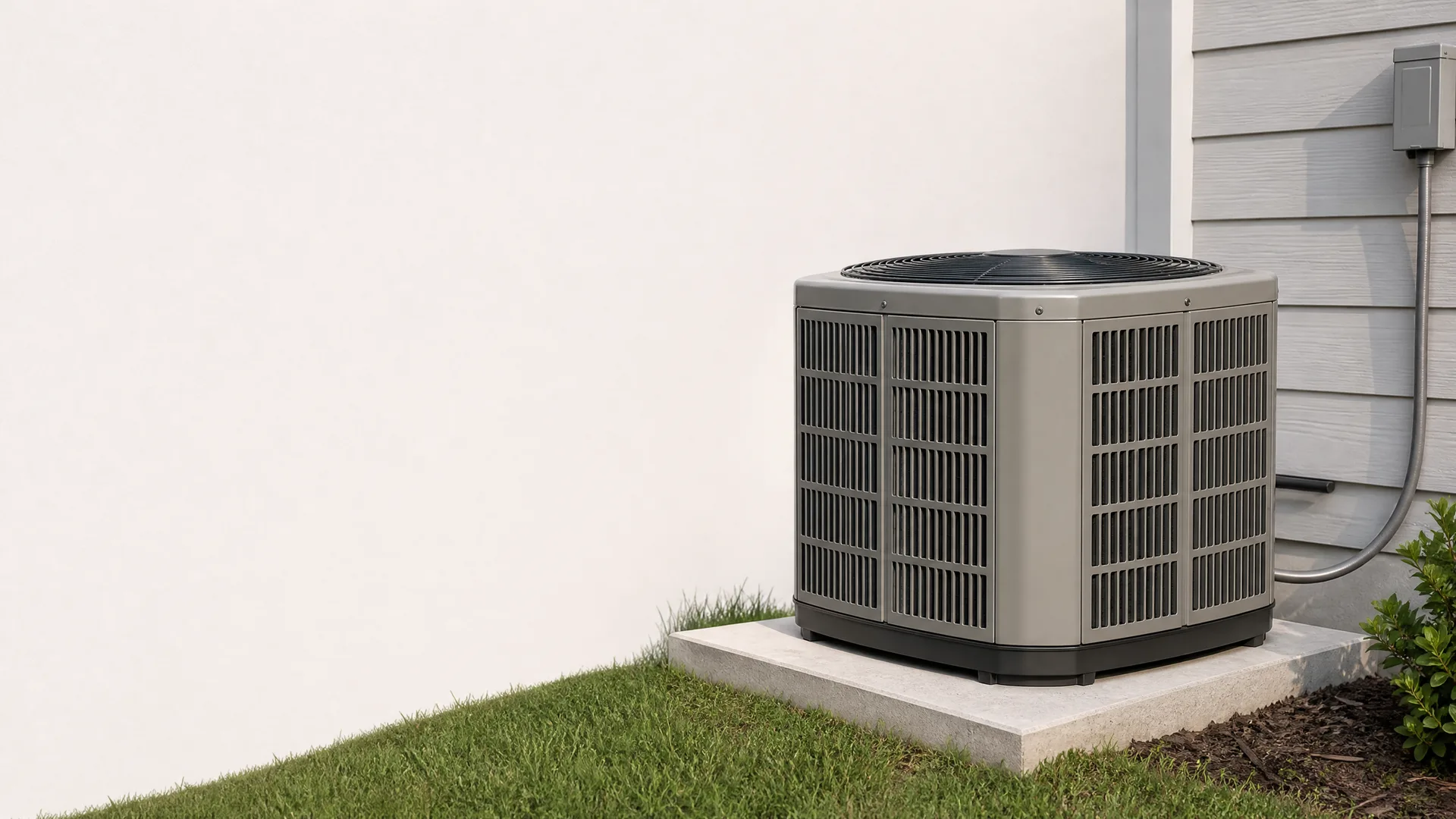
An outdoor air conditioner condenser unit on a concrete pad beside a house with horizontal lap siding, with a gray electrical disconnect box and conduit on the wall, grass in the foreground and a plain light wall at left.

What the compressor carries here

The compressor is the part that does the heaviest work in your system, and humidity makes that work harder. Pulling moisture out of thick, wet air takes more from the compressor than cooling dry air does, which is part of why systems here don't always last as long as the same unit would somewhere drier. Once a compressor starts struggling, you'll usually notice the air from the vents isn't as cold as it was, even with the thermostat set the same as always.

Cooling runs April through October

Seven months of the year, your compressor is the thing standing between your house and the heat outside. That's more run time than most systems see in a year further north, and it's why one here can wear out its parts faster than the age on the sticker suggests.

NOAA nClimDiv 1991-2020

Repairing it again makes sense if the unit is still under ten years old and the repair is a single part. A capacitor or a contactor is a small job next to the cost of a new system, and a unit that age has years of work left in it.

Replacing it makes sense once you're past year twelve and this isn't the first repair. A new system comes with a warranty and won't lose ground in July the way the old one has, which matters most in the months you can least afford it to quit.

An older woman with short gray hair in a cream cable-knit turtleneck sweater smiles while looking to the side in a wooden kitchen, with a round loaf of bread on a board in the foreground and a lit candle by a dark window.
A woman with dark hair in a bun sits wrapped in a chunky knit blanket on a couch with a child resting his head on her shoulder, eyes closed, beside a lit lamp and bookshelf indoors.

Get matched with an air conditioner pro in Mobile County

The pro who gets in touch is licensed in Alabama and works in Mobile County.

You only hire the pro if you want to.

How the system actually cools

  • Refrigerant leaves the compressor as a hot, high-pressure gas and gives up its heat at the outdoor coil before it ever reaches the house.
  • By the time refrigerant reaches the indoor coil it has turned into a cold liquid that pulls heat and moisture out of the air moving over it.
  • The blower pushes that cooled air through the ducts while condensate from the indoor coil drains outside through a small PVC line.
  • A failing capacitor is the most common reason an outdoor fan or compressor struggles to start on a hot afternoon.
  • A dirty outdoor coil forces the compressor to run longer and hotter to move the same amount of heat, which shortens its life.
  • Low refrigerant almost always means a leak somewhere in the lines, not normal use, since the system is sealed and doesn't consume refrigerant.

The compressor starts the cycle by squeezing refrigerant into a hot, high-pressure gas and sending it to the coil in the outdoor unit. That coil's job is to dump heat into the outside air, which in a Mobile summer is already working against it since the air it's dumping into is hot itself. By the time the refrigerant travels back inside, it has cooled into a liquid, and the indoor coil uses that liquid to pull both heat and moisture out of the air passing over it. The blower then pushes that air through the ducts and into the rooms, while the water the indoor coil pulled out of the air drips into a pan and runs out through a small PVC line to the outside. Each part in that chain can fail on its own. A capacitor gives the compressor and outdoor fan the jolt they need to start, and a weak one shows up as a unit that hums but won't kick on during the hottest part of the afternoon. A coil caked with grass clippings and dust can't shed heat the way it should, so the compressor runs longer and hotter to do the same job, and that extra strain wears it down faster. Refrigerant is sealed in the system and isn't used up the way fuel is, so if a unit is low, it's leaking somewhere in the lines, not just getting old from use.

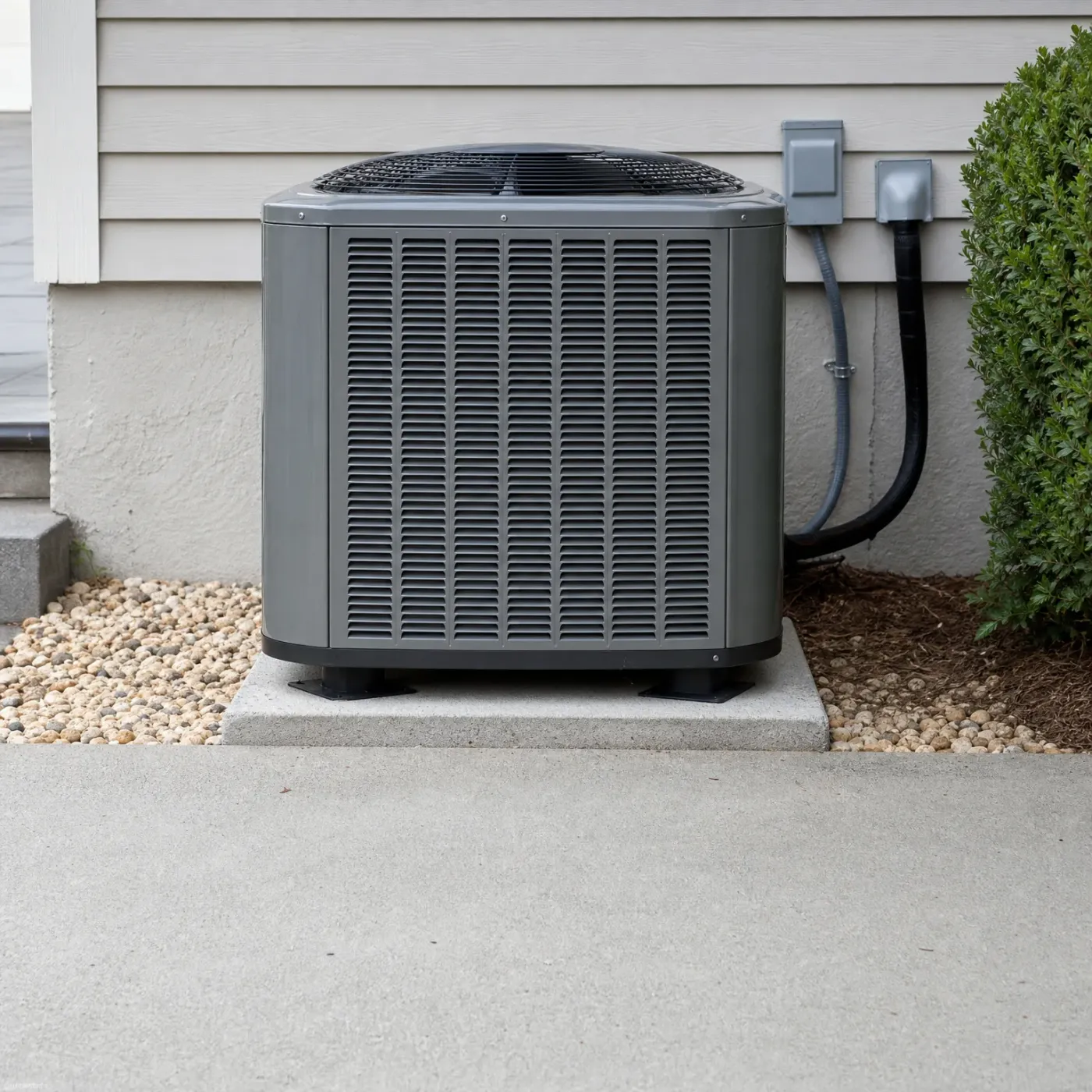
An outdoor air conditioning condenser unit on a concrete pad beside a house with horizontal lap siding, with an electrical disconnect box and conduit on the wall, mulch and a green shrub to the right, and a concrete walkway in the foreground.
Before you get your air conditioner installation
A gray outdoor air conditioner condenser unit on a concrete pad beside a house with horizontal siding and a stucco foundation, with a disconnect box and conduit on the wall, decorative gravel, mulch, and a shrub nearby.
After you get your air conditioner installation
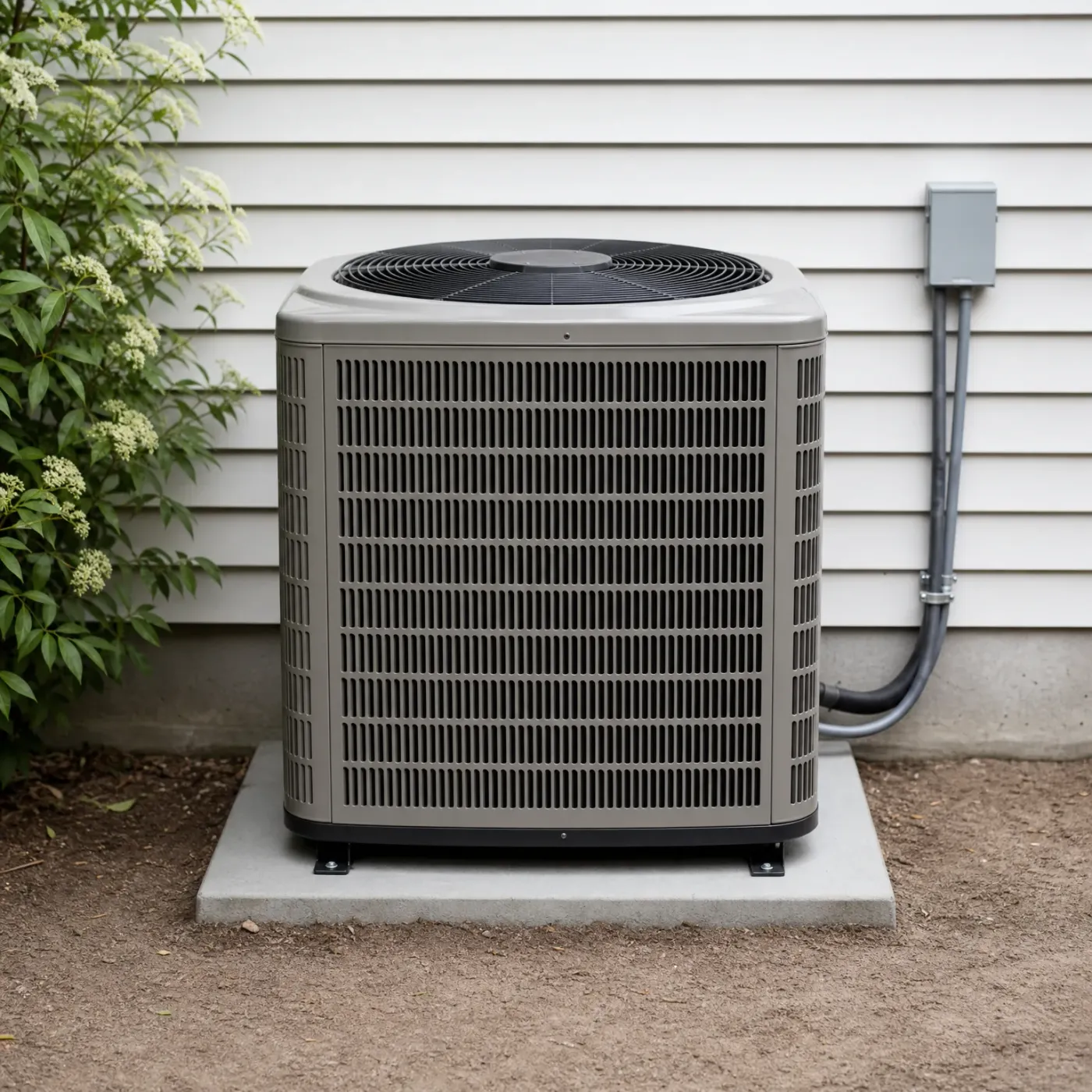
A gray outdoor air conditioner condenser unit on a concrete pad beside a house with horizontal lap siding, with a flowering shrub at left and a disconnect box with conduit on the wall at right.

Running clean, no signs of strain

A unit like this cycles on, cools the house, and shuts off without announcing itself. The pad is clear, the lines are intact, and the disconnect box is doing its job quietly. Nothing here is asking for attention yet.

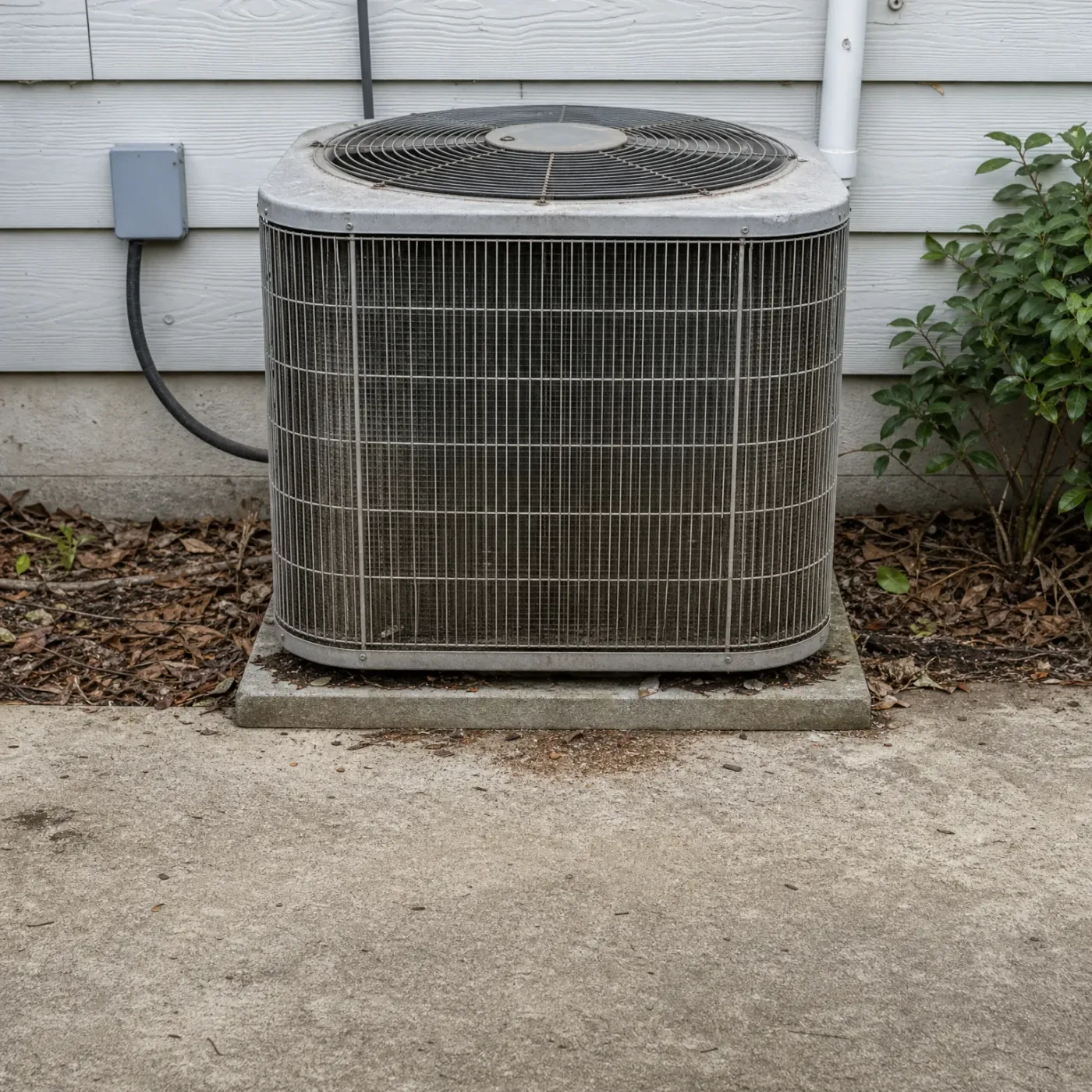
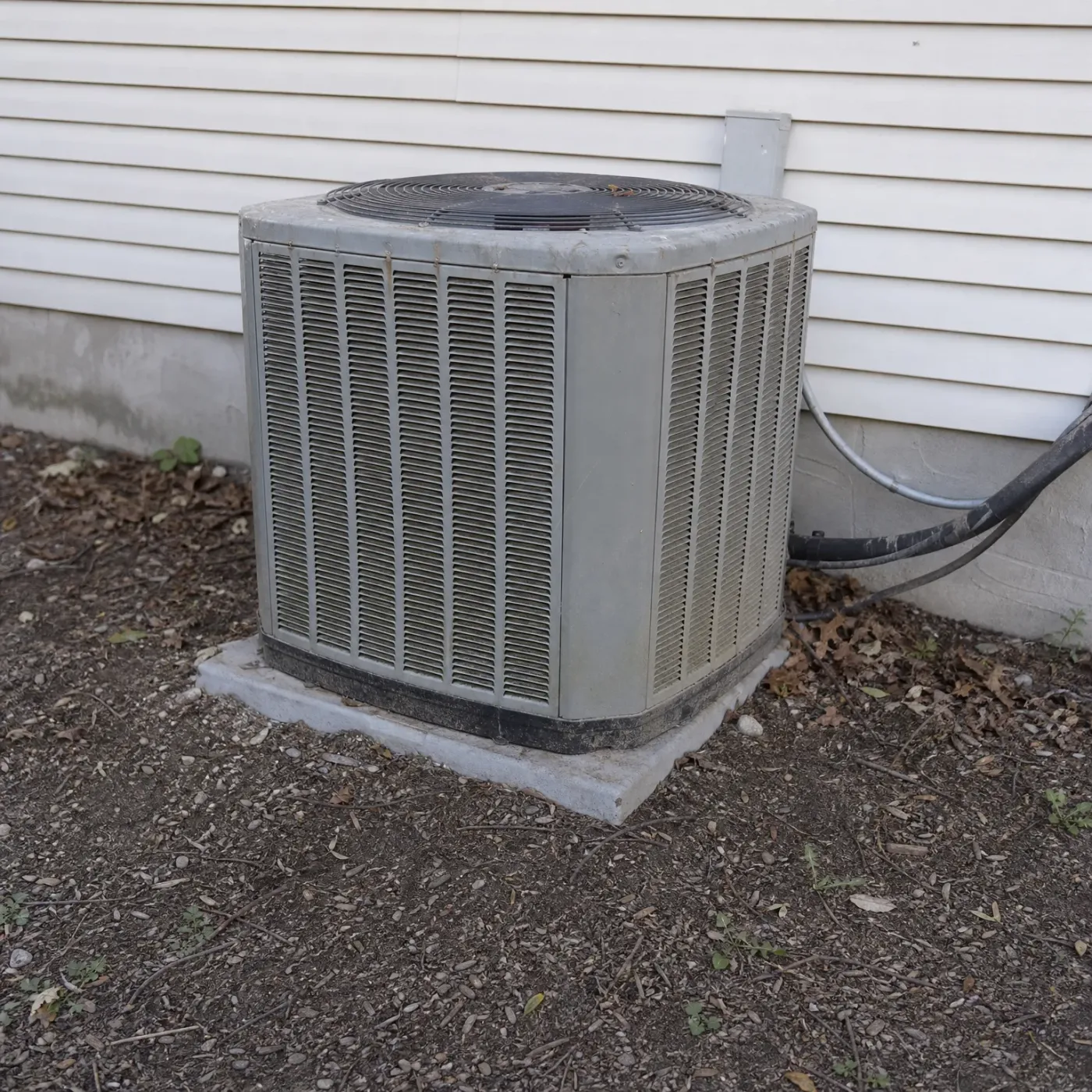
An outdoor air conditioner condenser unit on a concrete pad beside a house with light horizontal vinyl siding, surrounded by bare dirt, gravel and dry leaves, with refrigerant lines and conduit running along the wall.

Neglected and showing its age

Leaves and dirt piled against the base block airflow across the coil, and a unit that can't breathe works harder to do the same job. Weathering like this, paired with exposed refrigerant lines along the wall, is often what shows up right before a bigger repair bill.

A woman stands in the open front doorway of a single-story house with stone and wood siding while a man in a dark polo shirt and cap walks toward it along a concrete path.

What this comes down to

If your system is past ten years old and the repair bills keep coming, replacing it is the straight answer. A unit that's spent seven summers a year fighting Mobile County heat has earned the wear it's showing, and a new one will cost less to run through next summer than the old one does to limp through this one.

A local contractor who works on these systems every season can look at yours and tell you where it stands, not from a chart but from what they see on your pad and in your attic. When you request a match, it's one contractor who services Mobile County, not a handful of companies competing for your callback, reaching out to look at your actual unit and tell you what it needs.

A wooden table holding a stone vase with a bare branch, two stacked books and a small dark bowl, beside a window with green foliage outside and a sofa in the dim background.
A woman with long blonde hair in a light blue shirt leans back on a beige sofa with her eyes closed, in a softly lit living room with cushions and a blurred plant and shelf in the background.
A woman with long dark hair in a gray knit sweater sits on a gray sofa with a cushion, looking toward a window in a living room with framed pictures and a lamp in the background.
A woman with long dark hair in a light grey knit sweater sits on a sofa indoors, looking to her right, with a framed landscape picture, a potted plant and a curtained window behind her.
A woman with long dark hair leans back against a gray sofa with her eyes closed, in a living room with a curtained window, a potted plant, and a dark screen in the background.

Air Conditioner Installation

Find an air conditioner installation pro in Mobile County

A licensed pro who works in Mobile County gets your request.

A black smartphone standing upright against a plain light gray background, its screen filled with solid green.
Step 1 of 3: Equipment