Alabama Air Condition
Profile view of a bearded man wearing a dark green baseball cap and a dark gray T-shirt against a plain light background.

Why your AC can't keep up on hot Alabama days

Step 1 of 3: Equipment

Why can't my AC keep up when it's really hot outside?

You notice the air conditioner runs almost nonstop on the hottest Alabama afternoons, and the house still feels warmer than the thermostat setting. It worked fine in the spring. You're not trying to freeze the place out, you just want it comfortable enough for everyone at home, and you're wondering if something is wrong with the unit or if this is just how it is once the heat really sets in.

Your AC was sized for normal summer days, not the hottest ones

An air conditioner is sized to handle typical summer heat, not the worst days of the year. When the temperature and humidity both climb, the unit has to remove more heat and more moisture from the air than it was built to handle at once, so it runs longer and the house still lags behind the thermostat. That's normal strain, not failure, on a system that's working right. But if yours runs constantly and the house still doesn't cool down, or it used to keep up on days like this and now doesn't, something has changed: a dirty coil, a weak capacitor, a refrigerant leak, low airflow. Any of these make a unit lose ground exactly when the heat is worst and the people inside need it most.

A woman with dark hair in a bun wearing a cream knit sweater sits on a gray sofa in a bright living room, looking off to the side.
A woman wrapped in a knit blanket sits on a gray sofa in a living room, looking toward a bright window with houseplants and an armchair in the background.
A woman in a gray cowl-neck sweater sits on a light sofa with cushions, smiling and looking to the side, with a kitchen and window visible behind her.
A woman with dark hair in a bun, wearing a light linen shirt, sits on a sofa and looks to the side, with a window, houseplants and a kitchen with pendant lights blurred behind her.

An air conditioner is built to drop the indoor temperature a certain number of degrees below whatever it is outside, not to force the house to exactly 72 no matter what. When the afternoon hits 95 or higher, the unit has to push that same amount of heat into air that's already hot, so it moves less heat per hour than it did back in April. Alabama humidity adds another job. The outdoor coil has to pull moisture out of the air before the house feels cool, and that takes time the system doesn't have to spare on the hottest days. Any weakness already in the system shows up hardest right here. A low refrigerant charge or a coil caked with dirt and pollen cuts how much heat the unit can move at all. A system that was sized too small for the house to begin with falls behind exactly when the load is highest, not on a mild spring day. All of this adds up to longer runtimes to move the same heat, and on an Alabama electric bill, that extra runtime is usually the first thing you notice.

Why Hot Days Beat Your AC

  • Every central air conditioner is sized to drop the air a set number of degrees, not to hit a number no matter how hot it gets outside.
  • On a 95 degree afternoon the unit has to shed more heat into air that's already hot, so the same equipment moves less heat per hour than it did in April.
  • High humidity makes the system work on moisture as well as temperature, since the coil has to pull water out of the air before the house feels cool.
  • If the charge is low or the outdoor coil is caked with dirt or pollen, that gap between setting and actual temperature shows up hardest on the hottest days.
  • A unit that was already borderline undersized for the house will fall behind exactly when the load is highest, which is a 97 degree day, not a 75 degree one.
  • The system runs longer to move the same amount of heat, and in Alabama that extra runtime on an expensive electric bill is what you notice first.
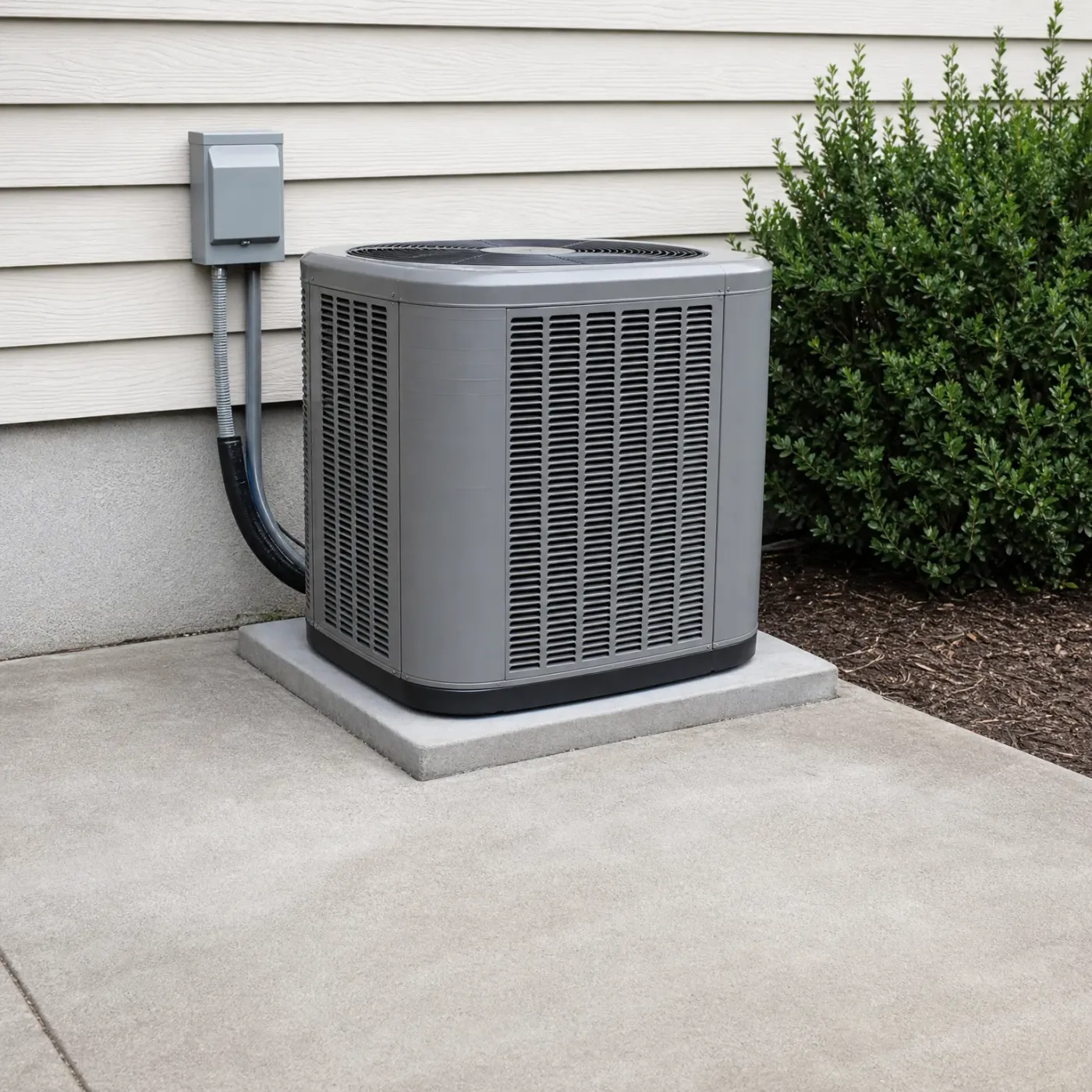
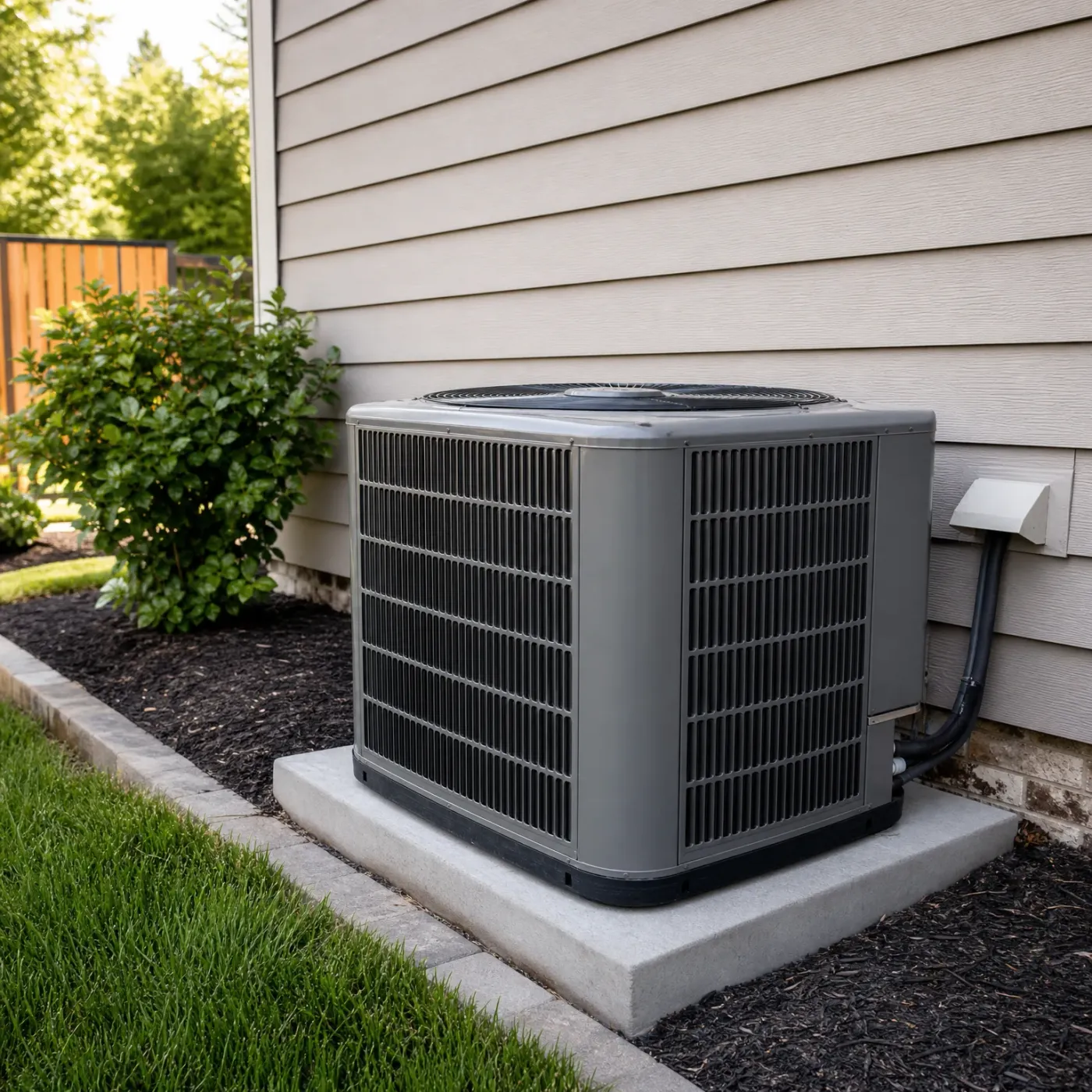
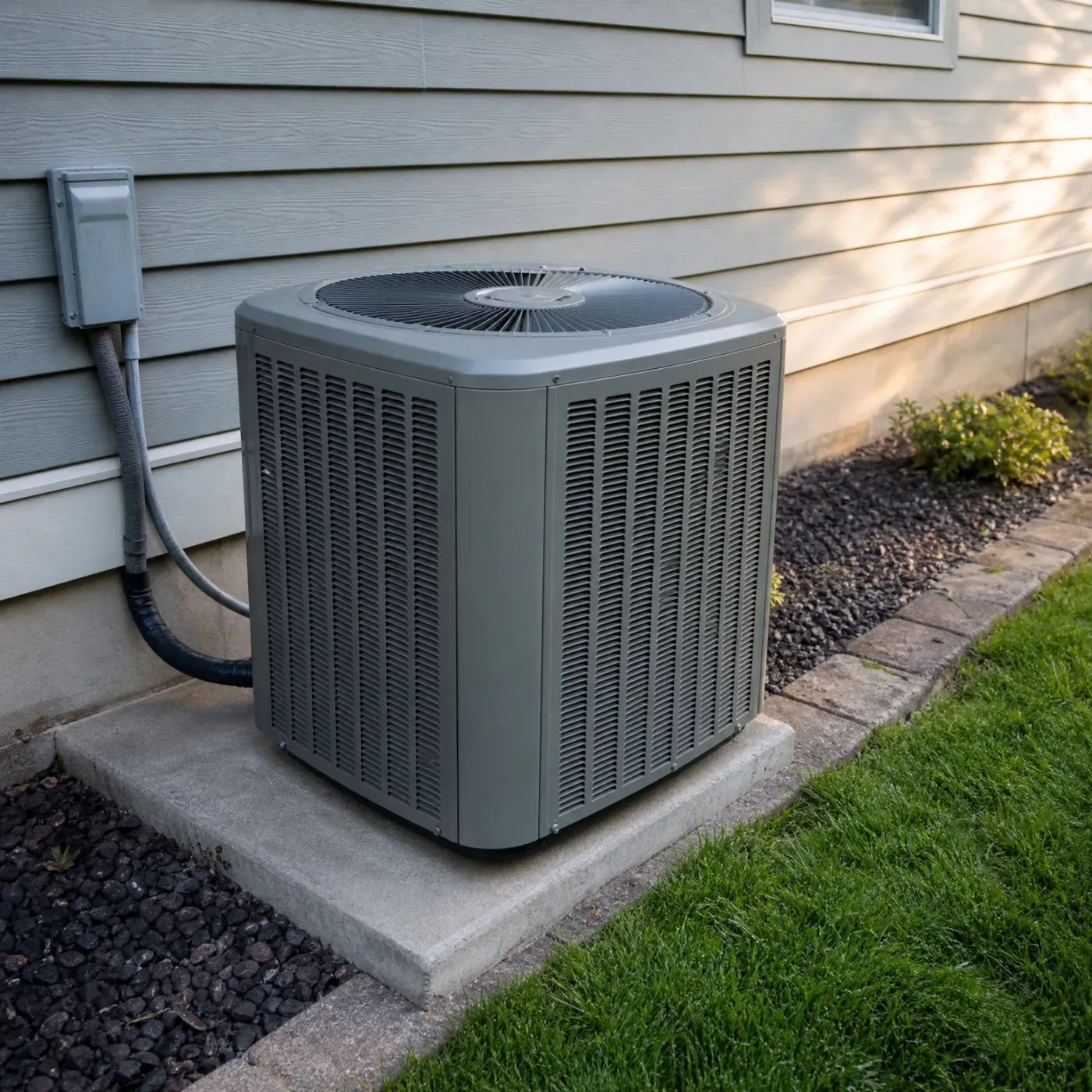
A gray outdoor air conditioning condenser unit on a concrete pad beside a house with horizontal lap siding, with a wall-mounted disconnect box and conduit to the left and a green shrub with mulch to the right.
A clean condenser like this one can push heat into the outside air without a fight, even on a 95 degree day.
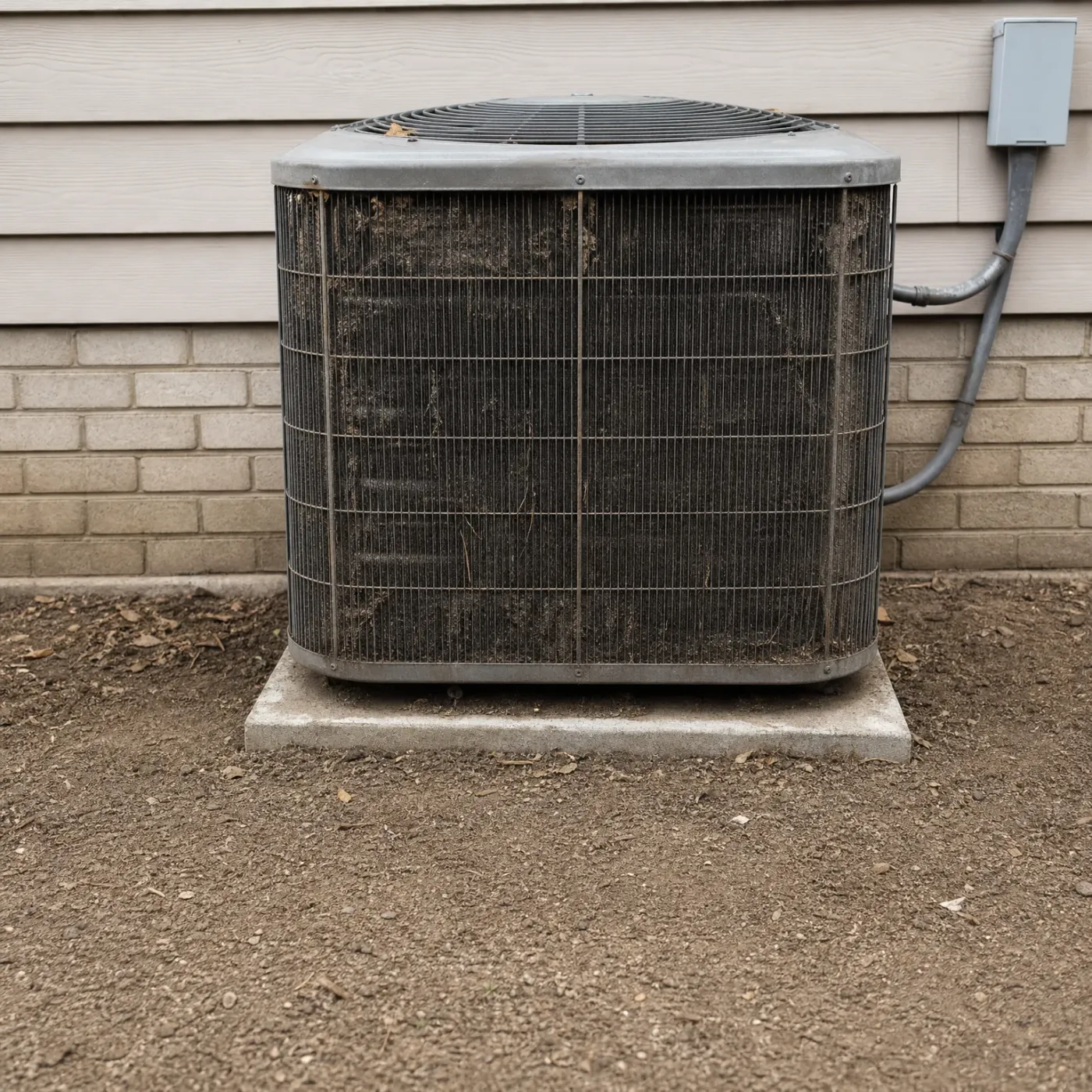
A dirty outdoor air conditioning condenser unit on a concrete pad beside a house wall with horizontal siding above a painted brick foundation, with a gray electrical disconnect box and conduit on the wall.
Caked-on dirt and grime across the coil fins block airflow, so the unit works harder and still falls behind.

When the air conditioner can't keep up, it shows in the rooms furthest from the thermostat first. A bedroom down the hall or the room over the garage climbs a few degrees past the rest of the house, and whoever's in there feels it before you do. The unit keeps running because it has to, and that extra runtime on a 95 degree day shows up on the power bill, especially with electric heat and air both pulling from the same meter. Left alone, a system that's already struggling on the hot afternoons tends to get worse, not better, as the summer goes on. A weak capacitor or a dirty coil that's barely holding on in June usually isn't holding on by August. The fix now is smaller than the one later, and the house stays livable for everyone in it while that gets sorted.

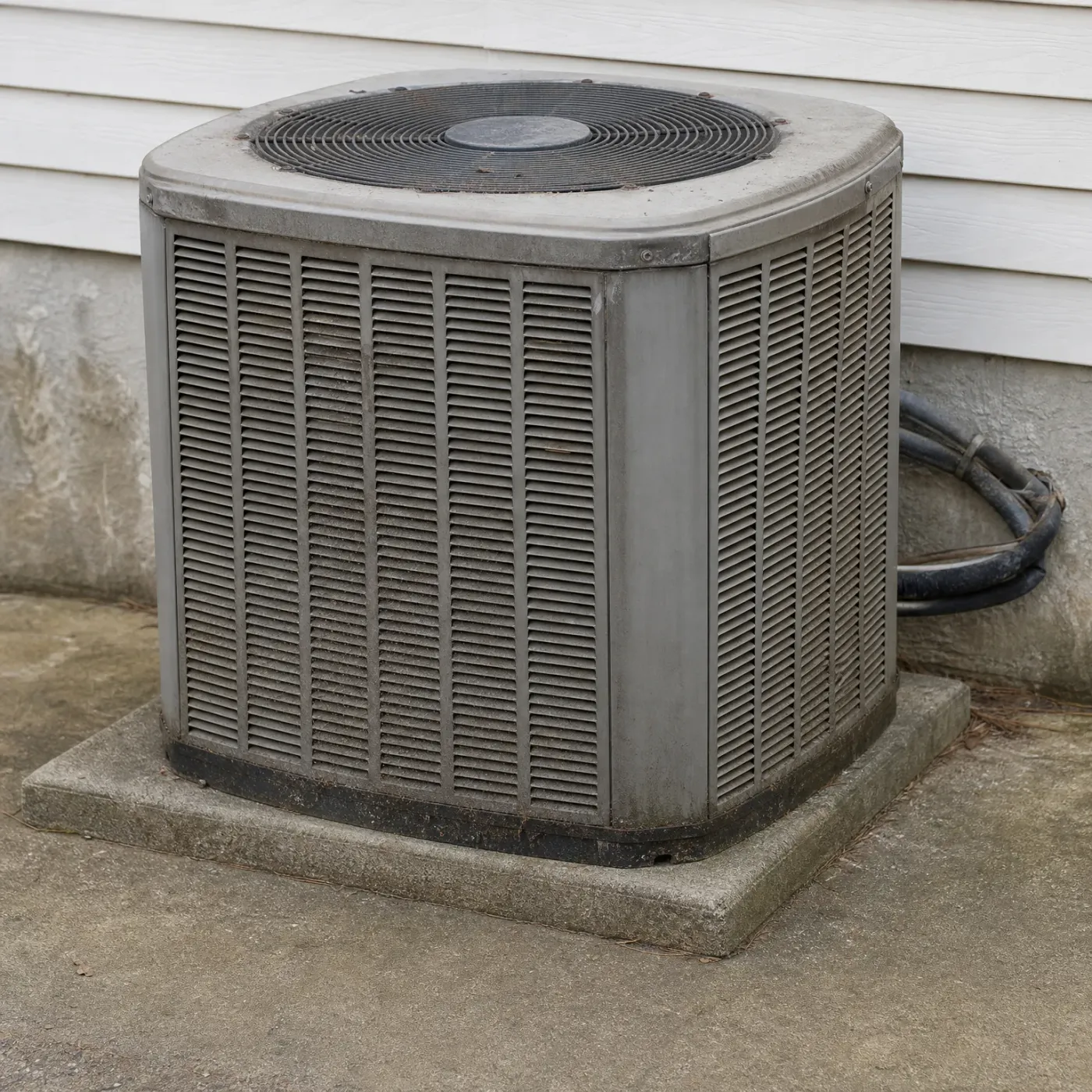
An outdoor air conditioner condenser unit on a concrete pad beside a house with horizontal siding and a lower concrete foundation wall, with coiled refrigerant lines at right.
Before you get your air conditioner repair
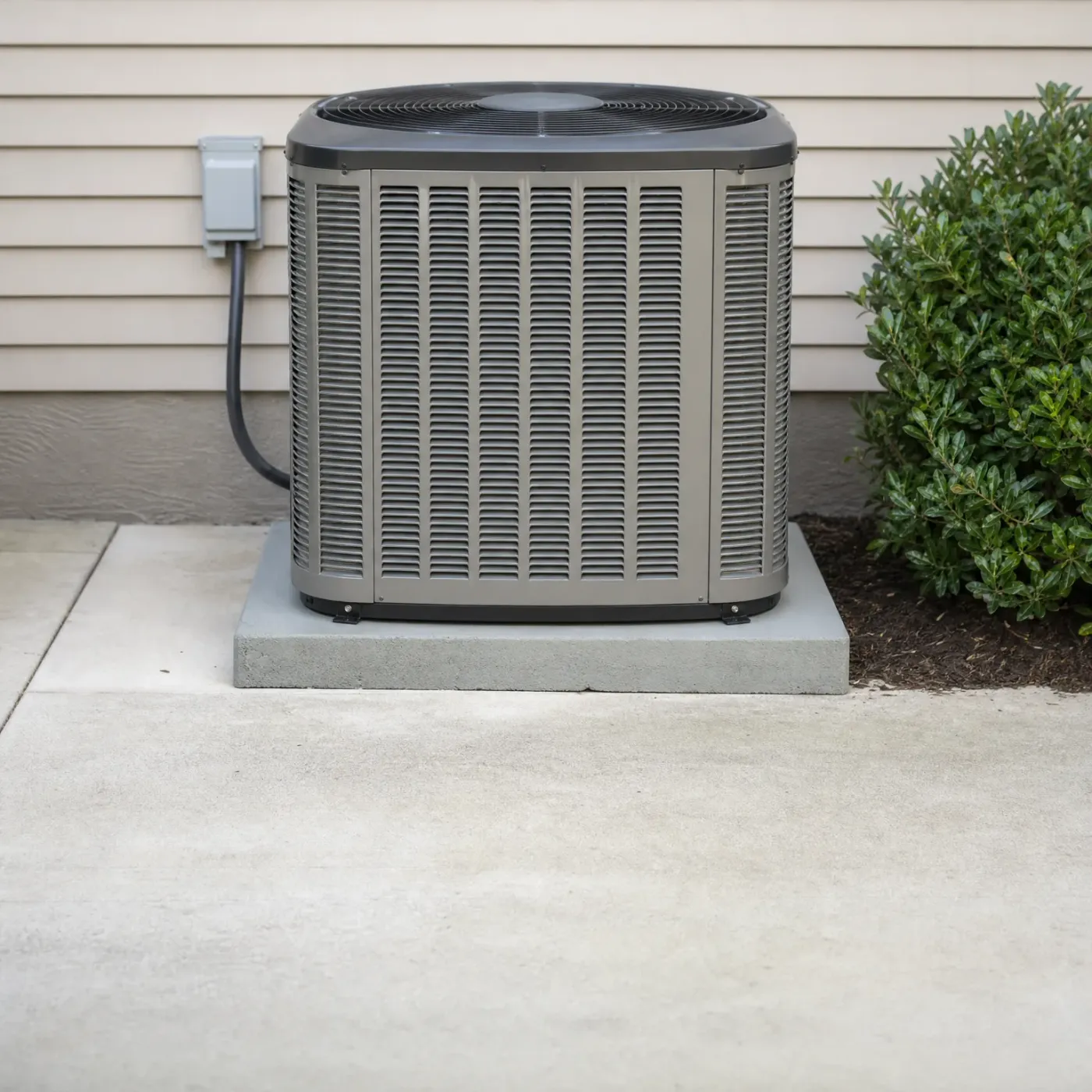
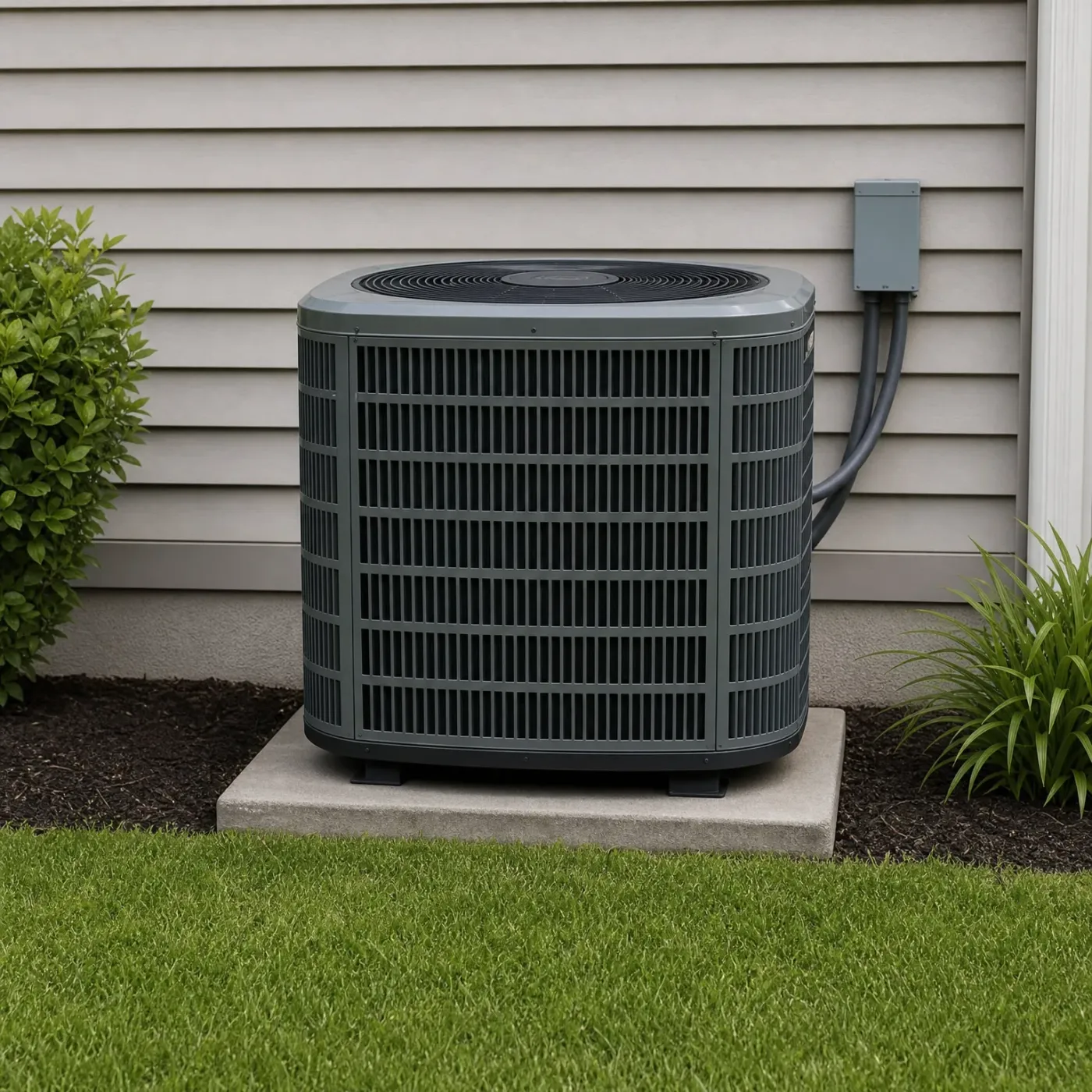
An outdoor air conditioning condenser unit on a concrete pad beside a house with horizontal lap siding, with an electrical disconnect box and conduit on the wall and a green shrub to the right.
After you get your air conditioner repair
A gray outdoor air conditioning condenser unit on a concrete pad beside a house with horizontal vinyl siding, with mulch, a shrub, and lawn nearby.

A pro who works on air conditioners

Send the request today and stop worrying about who to call.

Describe your air conditioner job, and a local pro who handles it gets in touch.

Get matched

No charge to send it. You decide if you hire them.

Is this your house on a 95 degree afternoon?

Walk through and check each room. The air coming out of the vents feels weak instead of cold, even right under the supply. The outside unit is running but you can hear it straining, a steady drone that doesn't let up for hours. Upstairs or the far bedrooms stay noticeably warmer than where the thermostat sits. The electric bill has climbed faster than the temperature outside would explain, because a unit that can't keep up still draws power the whole time it runs. Left alone through a full Alabama summer, that strain on the equipment tends to end in a breakdown on the worst possible afternoon, with the house holding heat and nowhere cool for anyone to go.

  1. Heat from inside the house moves into the indoor refrigerant coil.

  2. The compressor pressurizes that refrigerant and sends it outside.

  3. The outdoor coil has to dump that heat into the outside air.

  4. On a 95 degree day the outside air won't take the heat as fast.

An older woman with gray hair in a bun and glasses, wearing a beige knit sweater, smiles while looking to the side in a warmly lit kitchen, with a loaf of bread on the counter in the foreground and a snowy scene outside the window.
A woman and a child wrapped together in a knitted gray blanket on a couch, with the child's head resting on her shoulder and a lit table lamp and houseplant in the background.
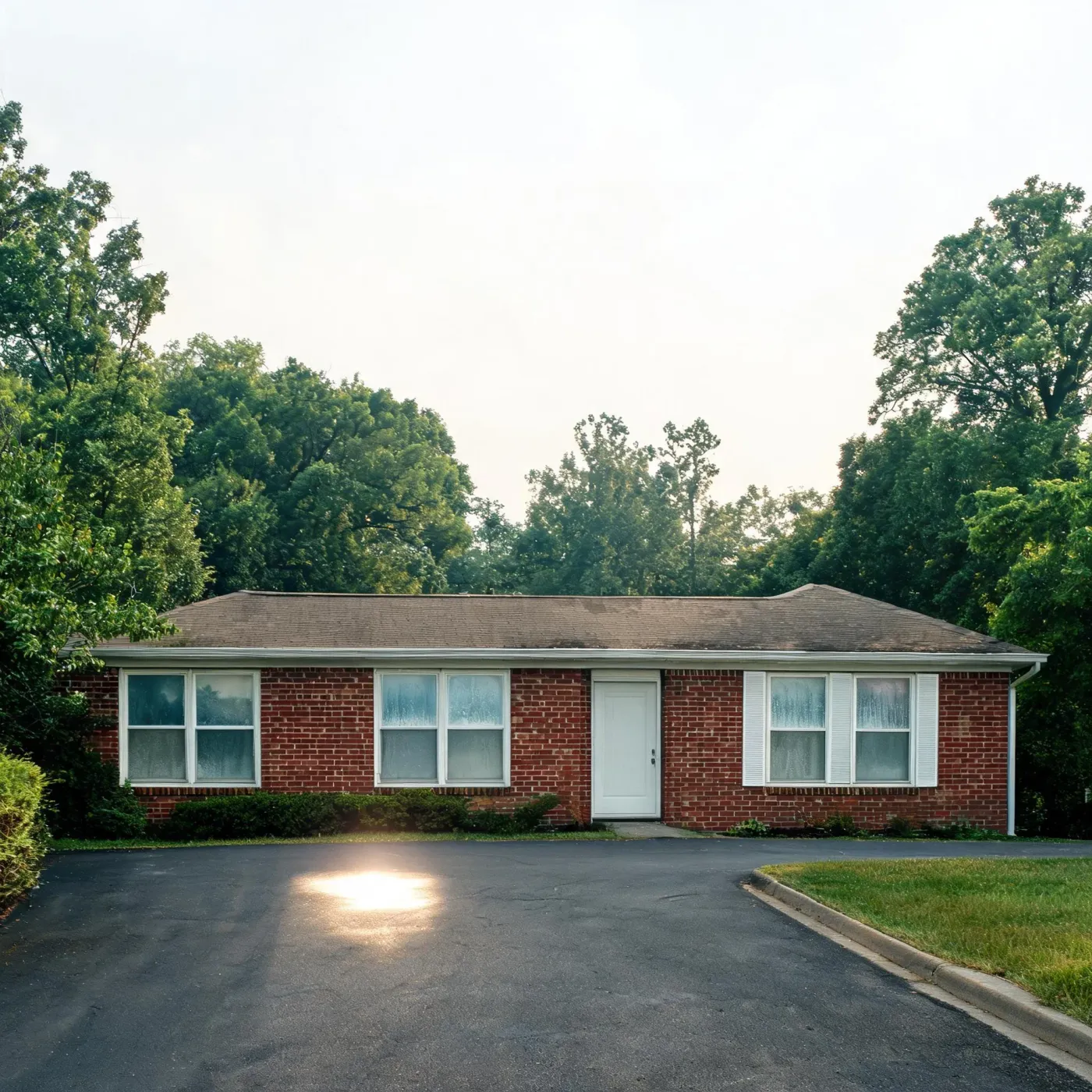
A single-story red brick ranch house with a white door, white-trimmed windows and a shingled hip roof, fronted by a wide asphalt driveway with sunlight glare, surrounded by green deciduous trees under a pale sky.

Alabama summers run heavy, and the number that proves it is the dew point. Averaged across June, July and August, it sits at 69°F, according to NOAA climate data. That's thick, wet air, and it changes what your air conditioner is actually up against. The unit isn't just pulling heat out of your house, it's pulling moisture out too, and heavy air holds onto that moisture. More of its capacity goes toward wringing out the humidity, leaving less for cooling the air itself. That's why the house can feel sticky even when the thermostat says it hit the target. The air feels heavy against your skin, and the unit runs longer to get there.

NASA POWER T2MDEW county cells weighted by homes

Two Reasons the Unit Falls Behind

Low on refrigerant

  • The coil sweats or frosts even though the house is hot, because low refrigerant drops the coil below the air's dew point.
  • Airflow across the coil stays normal, so the vents still move air, it just isn't cold.
  • A slow leak gets worse as the summer goes on, so the unit falls further behind each week the leak goes unfixed.
  • The compressor runs longer trying to make up the difference, and the power bill climbs along with the runtime.
  • A technician checks the charge against the pressures the system is supposed to run at, not just whether gas is present.

Dirty or blocked coil

  • Dirt across the outdoor coil fins keeps the unit from pushing heat into the outside air no matter how hard it runs.
  • The compressor and fan both run full tilt, but the house still climbs past the thermostat setting on the hottest afternoons.
  • A coil like this usually built up slowly, from pollen, grass clippings or a season without a rinse.
  • Airflow around the outdoor unit matters too, so shrubs or fencing set too close to it can choke it the same way grime does.
  • Washing the coil down restores what a full charge alone can't fix if the fins stayed caked all summer.
A gray outdoor air conditioning condenser unit on a concrete pad beside a house with horizontal lap siding, with a wall-mounted electrical disconnect box and refrigerant lines, shrubs, mulch and lawn around it.

Running the way it should

This unit sits clear of the siding with room to breathe, the fins open and unobstructed. Air moves through it freely, so the heat from inside the house has somewhere to go, even when the pad underneath it is hot to the touch by early afternoon.

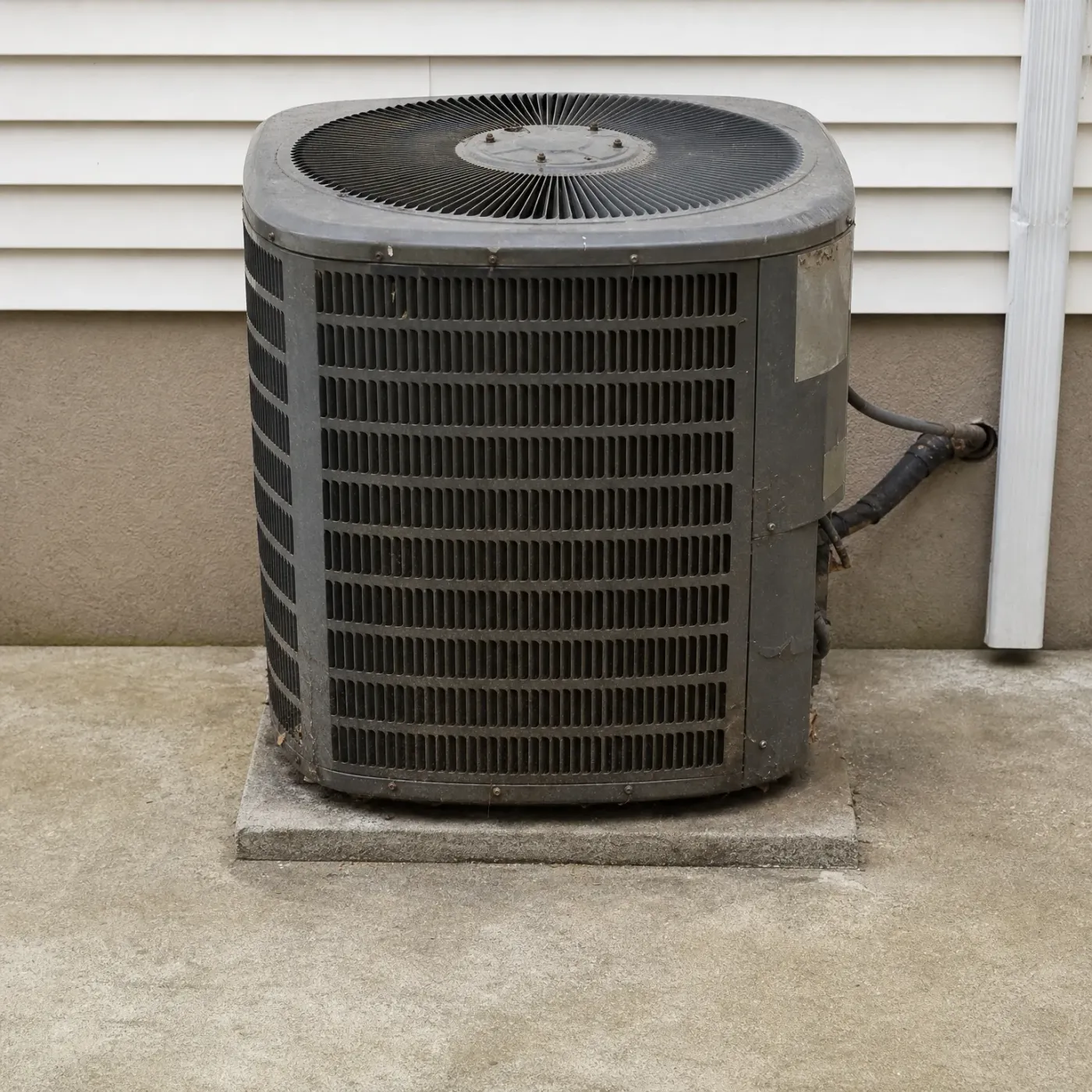
An outdoor air conditioner condenser unit on a concrete pad beside a house wall with stucco lower section, horizontal siding above, and a white downspout to the right.

Falling behind

Grime has built up across every fin on this one, thick enough to block airflow before it reaches the coil. Refrigerant lines still run to the house, but the unit underneath them is working against its own dirt, and on a hot Alabama day that's a fight it loses.

Power costs 16.09 cents per kilowatt-hour statewide

At 16.09 cents per kilowatt-hour, every extra hour your air conditioner runs trying to catch up shows up on the bill. A unit straining through a 95 degree afternoon pulls more power the whole time it runs, not just at the compressor's startup.

EIA-861 2025 statewide residential average

When Your AC Falls Behind

  • Heat and humidity together are why the unit falls behind, not one or the other alone.
  • A unit that's low on refrigerant or blocked by a dirty coil hits its limit even sooner.
  • The strain shows up as higher power draw before it shows up as a repair bill.
  • Rooms furthest from the thermostat are the first sign something's wrong, not just hot weather.
  • A repair brings the unit back to moving the heat it was built to move.
  • Once you send the form, finding the right contractor isn't something you have to manage anymore.

A system that runs all afternoon and still loses ground isn't broken by the heat alone. Alabama's thick summer air makes the outdoor unit work harder to dump heat, and anything less than full strength, a dirty coil, a refrigerant leak, a motor losing power, pushes it past what it can handle. You saw how that strain shows up: the far bedroom warmer than the rest of the house, weak air at the vents, a compressor that runs louder and longer, a power bill that climbs before anyone calls for a repair. None of that is normal wear you wait out. It's the unit telling you it can't move the heat it was built to move, and a contractor who checks the refrigerant charge, cleans the coil or replaces a failing part brings it back to doing the job it was sized for. You don't have to know which of those it is before you ask for help. That's the diagnosis itself. What you can do now is stop guessing and get someone out who can look at the actual unit, in the actual heat, and tell you what's wrong with it. Send the form and that search is off your plate. Someone who works on these systems in this heat will take it from there, and the house gets back to cooling the way it did before the hottest stretch of summer exposed the weak point.


A gray outdoor air conditioning condenser unit on a concrete pad beside a house with horizontal lap siding, with a wall-mounted disconnect box and conduit, lava rock mulch, a shrub, and grass nearby.

Get your air conditioner to the right pro

Find an air conditioner pro

Send the request and finding a pro stops being your problem.

There's no charge for the request.