




Why your upstairs stays hot in Alabama summers

Send the request today and stop worrying about who to call.

Send my request

Heat rises, and in most houses the upstairs has less return air pulling it back down, so that floor runs warmer no matter what. If your system has one thermostat for the whole house, it shuts off once the downstairs hits temperature, even if the upstairs is still climbing. Ductwork run through a hot attic adds to it, warming the air before it ever reaches the vents. In Alabama summers, with the heat and humidity holding on for months, that gap between floors shows up every day, not just on the worst afternoons. Sometimes it is just the layout. Sometimes a duct has come loose in the attic, a return is blocked, or the system is undersized or losing charge and can't keep up with the load upstairs. A contractor who checks the attic, the ducts, and the airflow at the vents can tell you which one it is and what it will take to fix.

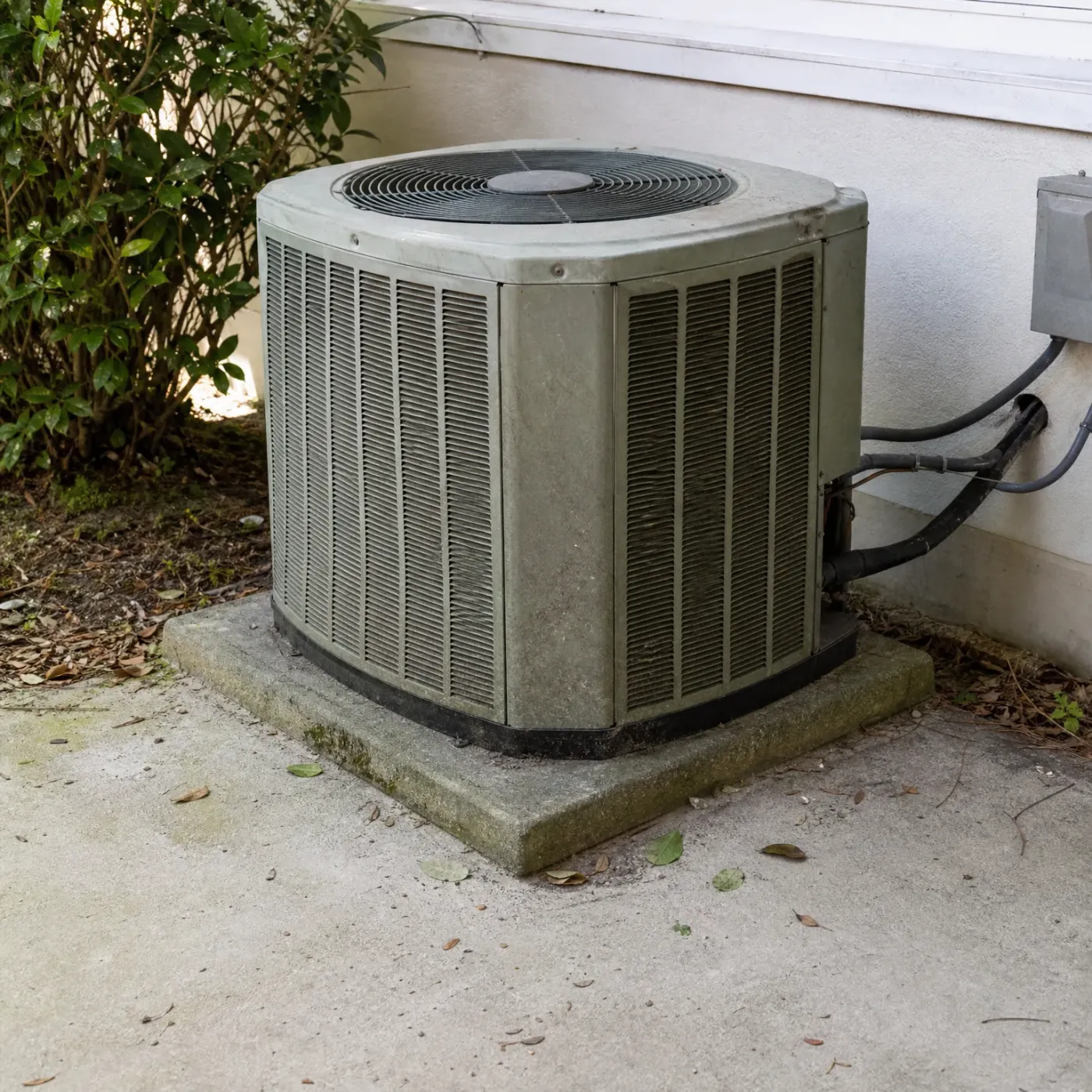
An outdoor air conditioner condenser unit on a concrete pad beside a house wall, with a gray electrical disconnect box and conduit above it and grass in the foreground.

One thermostat, one reading

A single thermostat downstairs only knows the temperature where it hangs. It calls for cooling based on that one spot, so once the air near it cools off, the system shuts down. The upstairs rooms never get a vote. In a two-story house with one thermostat, the only way the upstairs gets relief is if the downstairs is still calling for cooling when it needs it, and in Alabama's humidity that often isn't long enough.

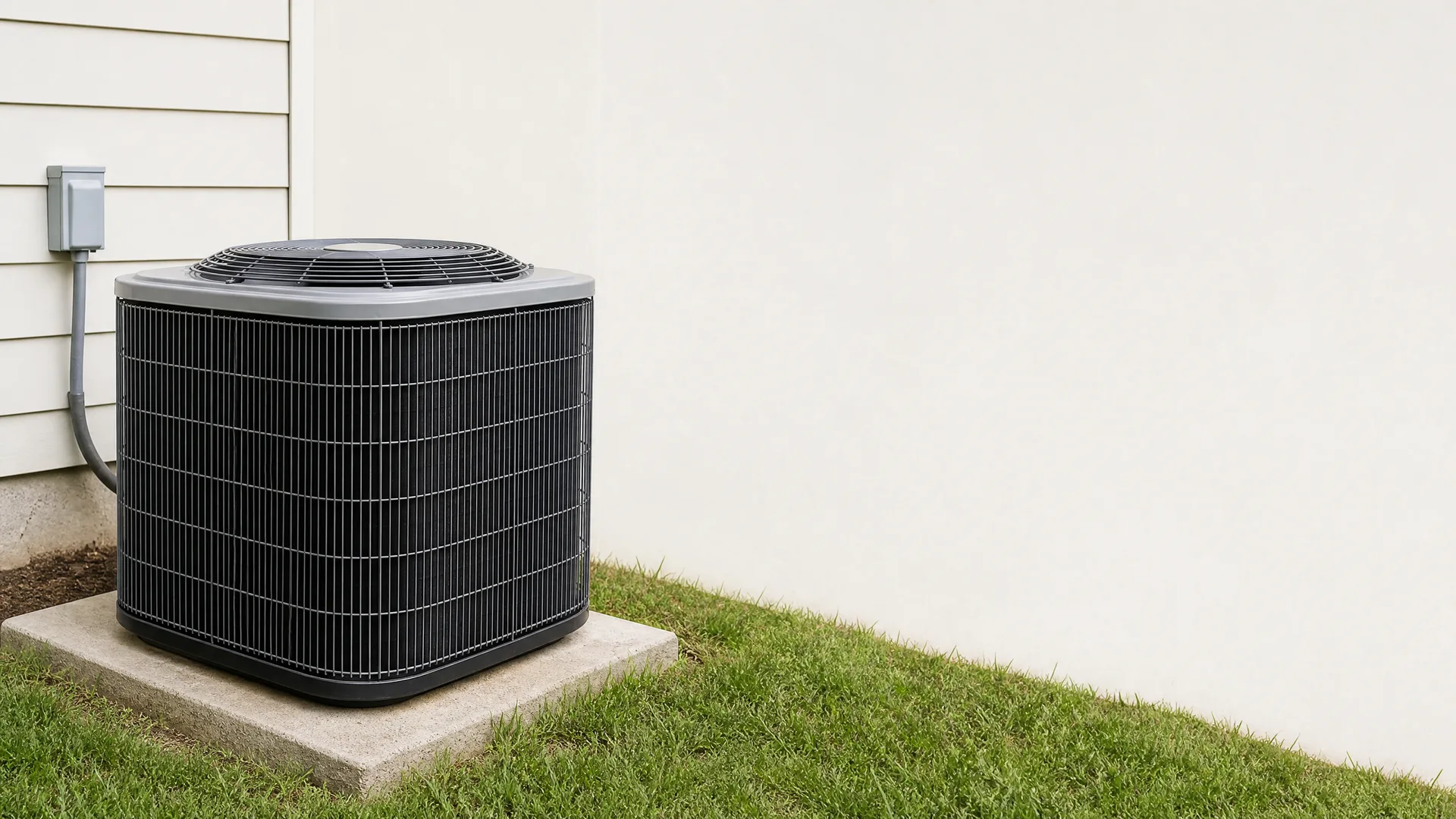
A gray outdoor air conditioner condenser unit on a concrete pad beside a house with horizontal lap siding, surrounded by white gravel and a lawn, with a white wall at left.

Ducts losing cold air on the way up

Supply ducts running through a hot attic lose some of their cooling before the air ever reaches an upstairs vent. The longer the run and the hotter the attic around it, the more that air warms up in transit. A duct leak along that path makes it worse, since conditioned air escapes into the attic instead of the room. By the time it reaches the register, what started as cold air can be noticeably less cold.

Why does my upstairs AC run constantly but never cool off?

You can hear the system running almost nonstop, fan on, compressor cycling, and the upstairs still sits five or six degrees warmer than you'd like. It feels like the unit is struggling or low on refrigerant. Most of the time it's simpler than that, and it has to do with how the air actually gets to that floor, not just how long the system runs.

It's not keeping up with the duct run, not losing refrigerant

Air for the upstairs travels the longest duct run in the house, through the attic, through more turns, losing a little push the whole way. Downstairs rooms sit closer to the air handler and get full force. Upstairs gets whatever's left by the time it reaches the vent. Add an Alabama attic running well past 100 degrees most summer afternoons, and that duct is shedding cooled air into hot space before it ever reaches the room. The system runs long because it's fighting that loss the whole time, not because it's failing. A contractor can check static pressure at the vents and tell you whether the ductwork itself is the bottleneck.

A smiling man in a dark navy sweater sits on a light sofa in a living room, with a glass bowl of popcorn on a wooden coffee table and bookshelves behind him.
A smiling man in a dark green sweater sits on a tan leather sofa in a dimly lit living room, with a bowl of popcorn in the foreground and a kitchen area blurred behind him.
A smiling middle-aged man in a dark shirt sits on a gray sofa in a living room, with a bowl of popcorn on a side table and shelves, a window and kitchen area behind him.
A smiling bearded man in a dark gray t-shirt sits on a gray couch in a living room, with a large glass bowl of popcorn on a wooden table in the foreground.

Hot Upstairs: Wait or Call Someone

Live With It

  • If the downstairs stays comfortable, running the system longer to chase the upstairs temperature just adds to a power bill that's already high.
  • A single thermostat system wasn't built to treat two floors differently, so pushing it harder upstairs often means overcooling the downstairs first.
  • Closing upstairs vents or running a window unit at night can take the edge off without calling anyone out.
  • If nothing about the system has changed (no new noises, no leaks, no ice on the lines) the uneven cooling may just be how the house was built.
  • Waiting costs you comfort on the hottest nights, but it doesn't risk damage to a system that's otherwise running fine.

Get It Looked At

  • A contractor local to Alabama who services this kind of system every summer knows which parts usually give out first under this kind of heat and humidity.
  • If the upstairs has gotten worse over time rather than always being warmer, that points to something failing, like a duct coming loose or a blower losing strength, not just physics.
  • A licensed technician can check whether the ductwork feeding the upstairs is sized and sealed the way it should be, something you can't see from inside the house.
  • One contractor means one visit and one answer, not a string of calls from companies competing for the job.
  • If the system is also running longer than it used to just to hit the same temperature, that's a sign worth having someone check before the compressor works harder than it should.
  • Once you send the request, the search for who to call is off your plate.
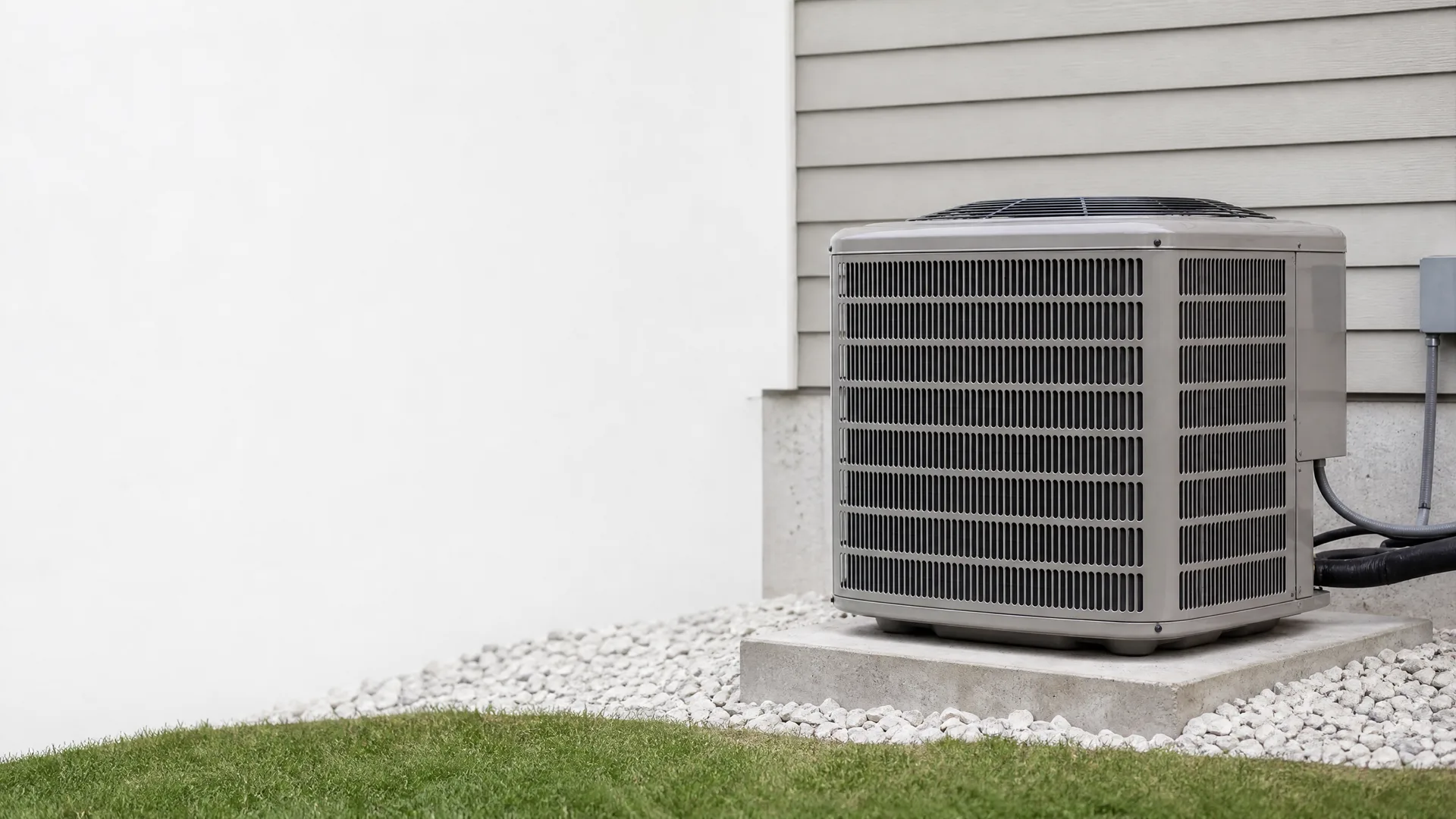
A gray outdoor air conditioner condenser unit on a concrete pad beside a house with horizontal siding and a stucco foundation, with a disconnect box and conduit on the wall, decorative gravel, mulch, and a shrub nearby.

Coil Running Clean

A clean coil lets the unit shed heat the way it's supposed to. Airflow moves through the grilles without resistance, so the compressor doesn't have to work as hard to pull humidity out of the air. In an Alabama summer, that's the difference between a system that keeps up and one that falls behind by afternoon.
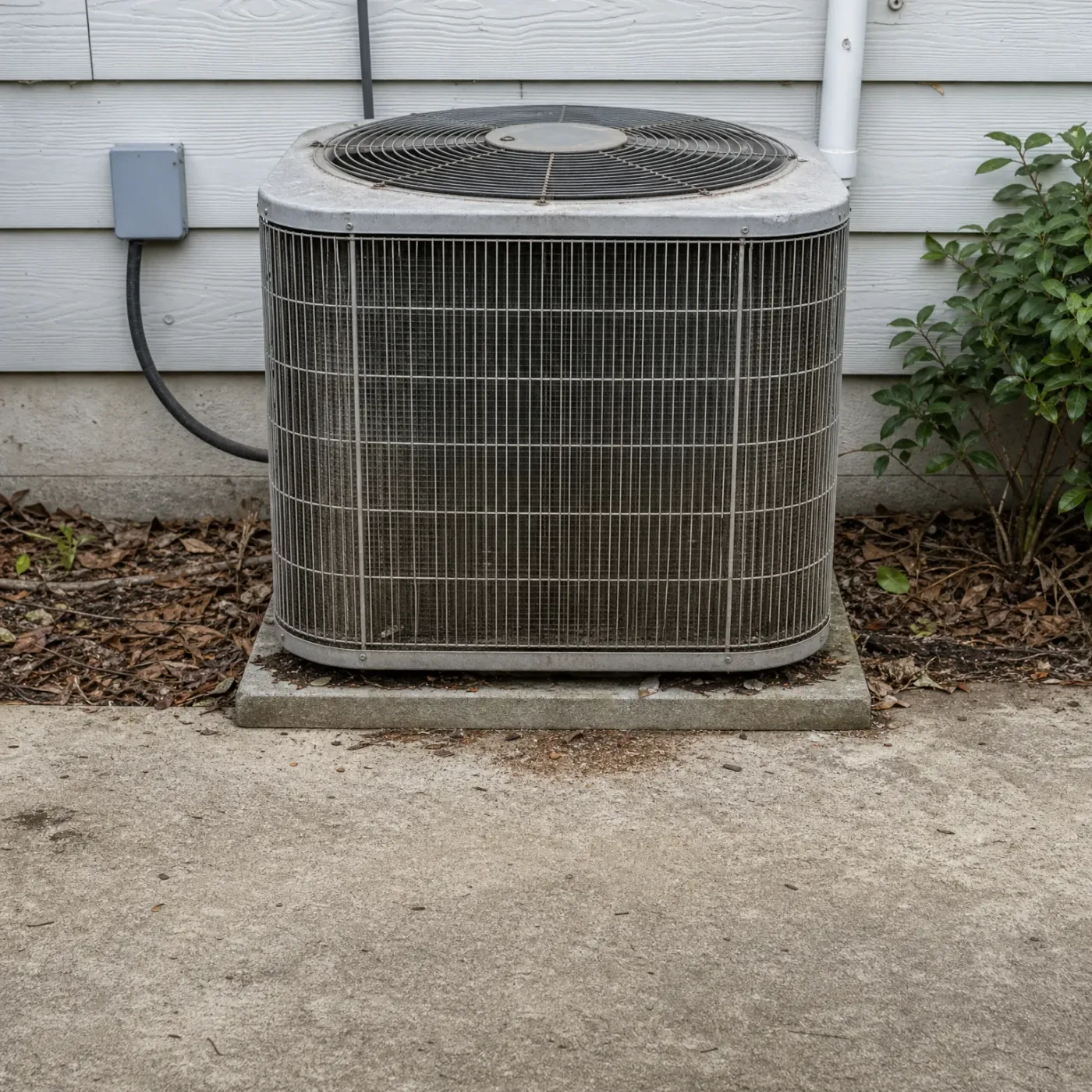
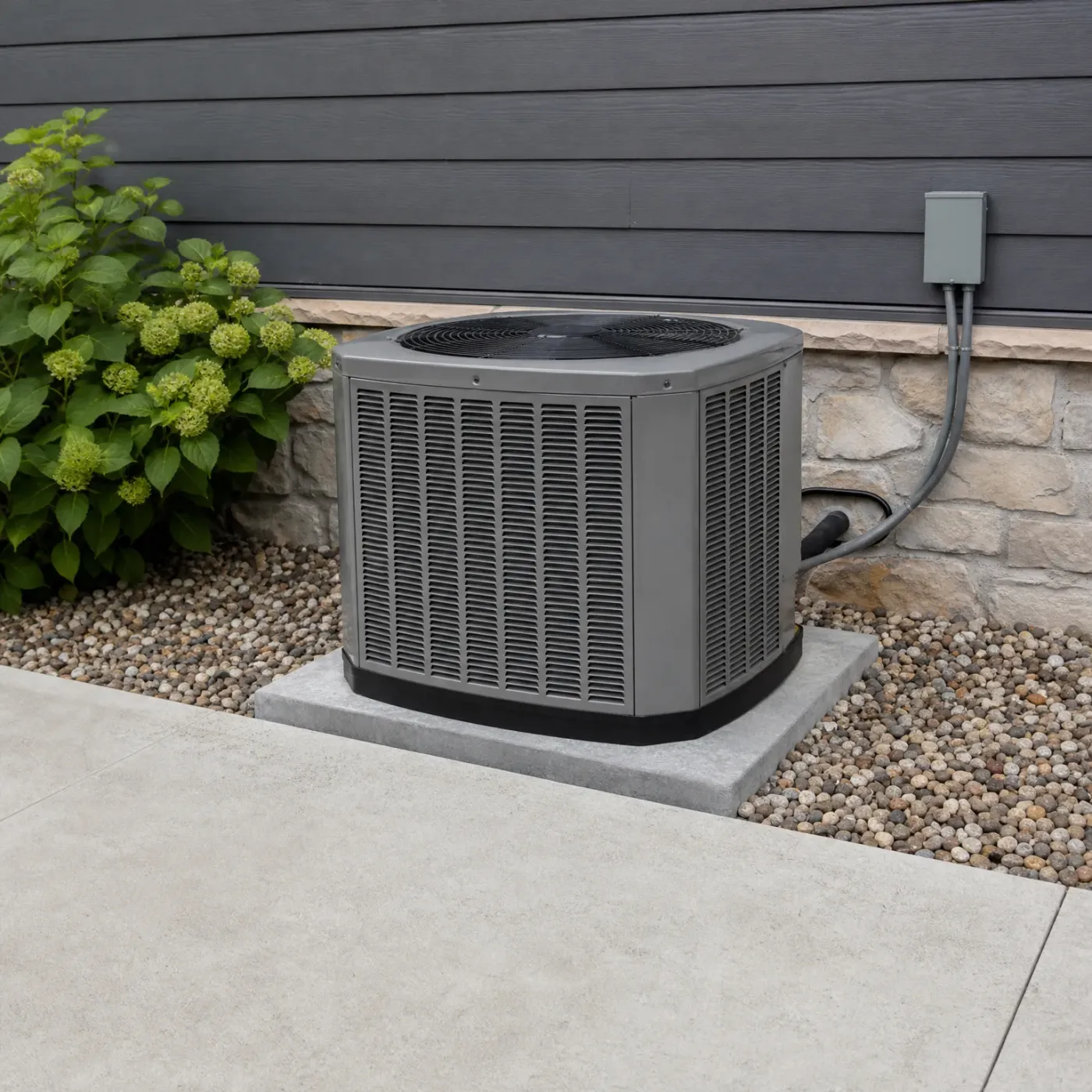
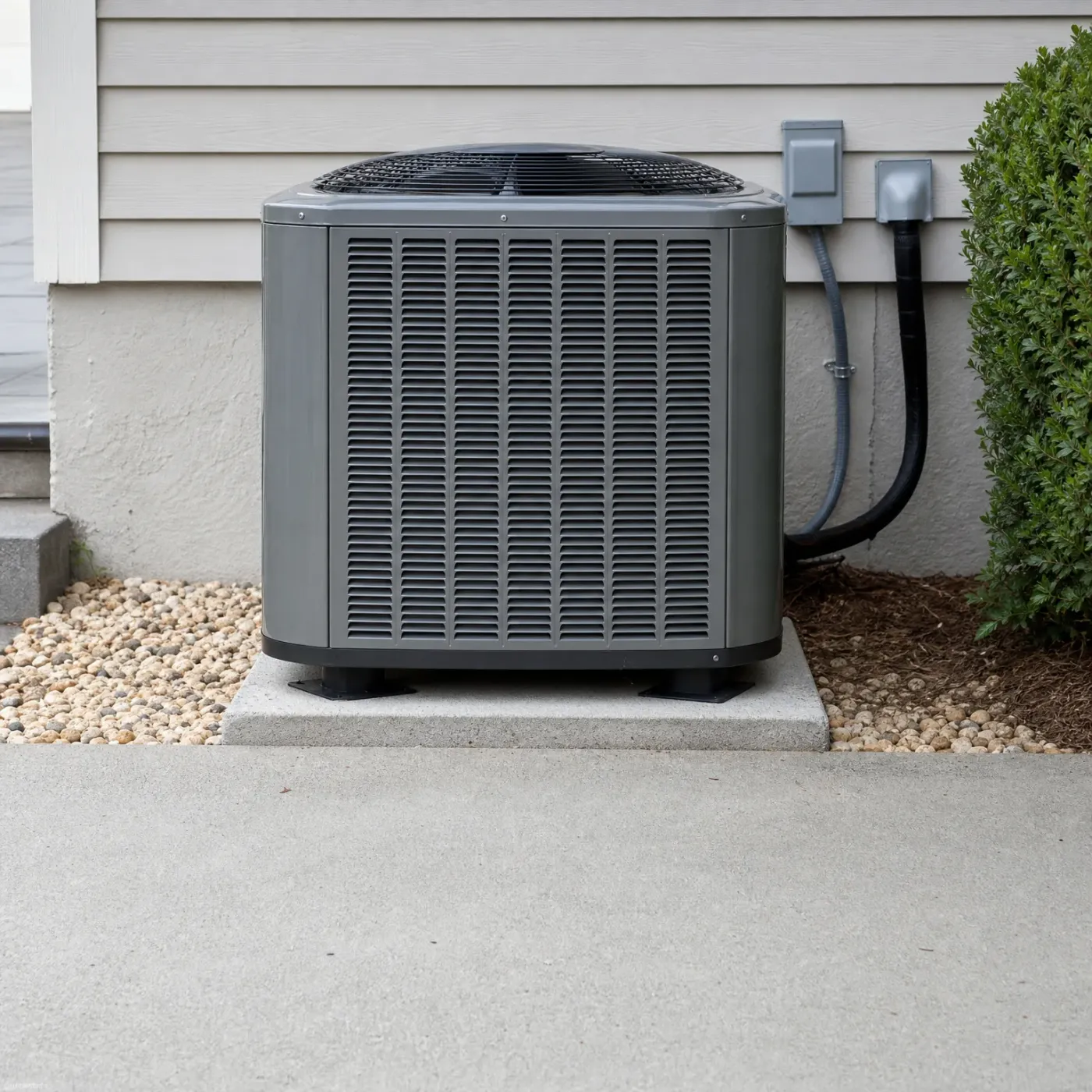
An outdoor air conditioning condenser unit on a concrete pad beside a house with horizontal lap siding, with an electrical disconnect box and conduit on the wall, mulch and a green shrub to the right, and a concrete walkway in the foreground.

Coil Clogged With Debris

Dirt and grass clippings packed into the coil grilles block airflow before the refrigerant ever gets a chance to cool. The unit runs longer to do the same job, and upstairs rooms feel it first since they're already fighting less return air. A contractor can tell from the coil alone how much that's costing you.

Power costs 16.09 cents per kilowatt-hour statewide

At 16.09 cents a kilowatt-hour, every extra hour your system runs chasing that upstairs thermostat shows up on the bill. A hot second floor that never satisfies a downstairs thermostat means the compressor keeps cycling, and in Alabama that cost adds up fast with electric heat and cooling both drawing on the same meter.

EIA-861 2025 statewide residential average

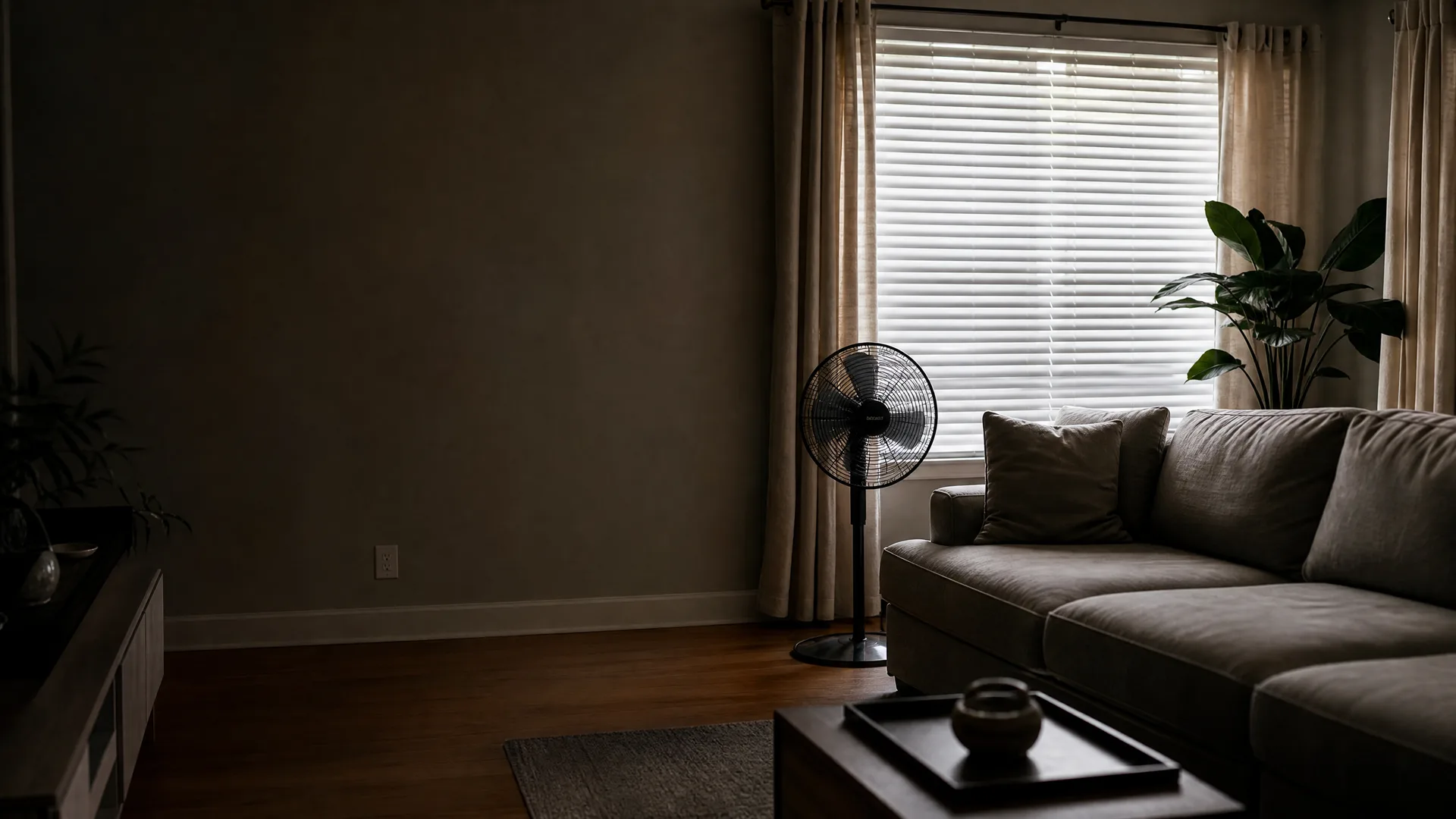
A dimly lit living room with a gray sectional sofa, a standing pedestal fan, a curtained window with blinds, a potted broad-leaved plant, a wooden coffee table with a tray and lidded jar, and a rug on dark wood flooring.

It's a little past three and the blinds are shut against the glare. Downstairs the thermostat reads satisfied, but upstairs the air sits thick, the kind of heat that makes you not want to climb the stairs to check on it. The floor fan next to the couch runs on high, pushing the same warm air around rather than cooling anything. You've stopped fighting the thermostat for the afternoon. Sweat at the back of your neck, the hum of the fan, the compressor outside cycling on again. Once you send the request, the search for who can fix this is off your plate, and that alone is worth something on a day like this.

Hand off the air conditioner problem

You've read through why the upstairs runs hot and what it's doing to your bill. None of that changes until someone gets eyes on the system itself, the thermostat setup, the coil, the airflow to that second floor, and tells you what's actually fixable. A contractor who works on homes like yours every summer has seen this exact problem more times than you have, and knows what usually turns out to be the cause before they even climb the stairs. Send the request and it goes to one licensed contractor local to you, not a handful competing for your callback. From there, figuring out what's wrong with your upstairs stops being something you have to chase down yourself. You've got a hot second floor and a power bill that already reflects it. The next step is getting someone who deals with this in Alabama houses all summer to take a look.

A gray outdoor air conditioner condenser unit on a concrete pad beside a house with horizontal lap siding, with a flowering shrub at left and a disconnect box with conduit on the wall at right.

Running the Way It Should

This is a system that can still pull its weight. The coil's clean, the pad's clear, and the line set runs straight to the wall. A unit kept like this can move enough air to fight an Alabama summer, even with the odds stacked against the upstairs.

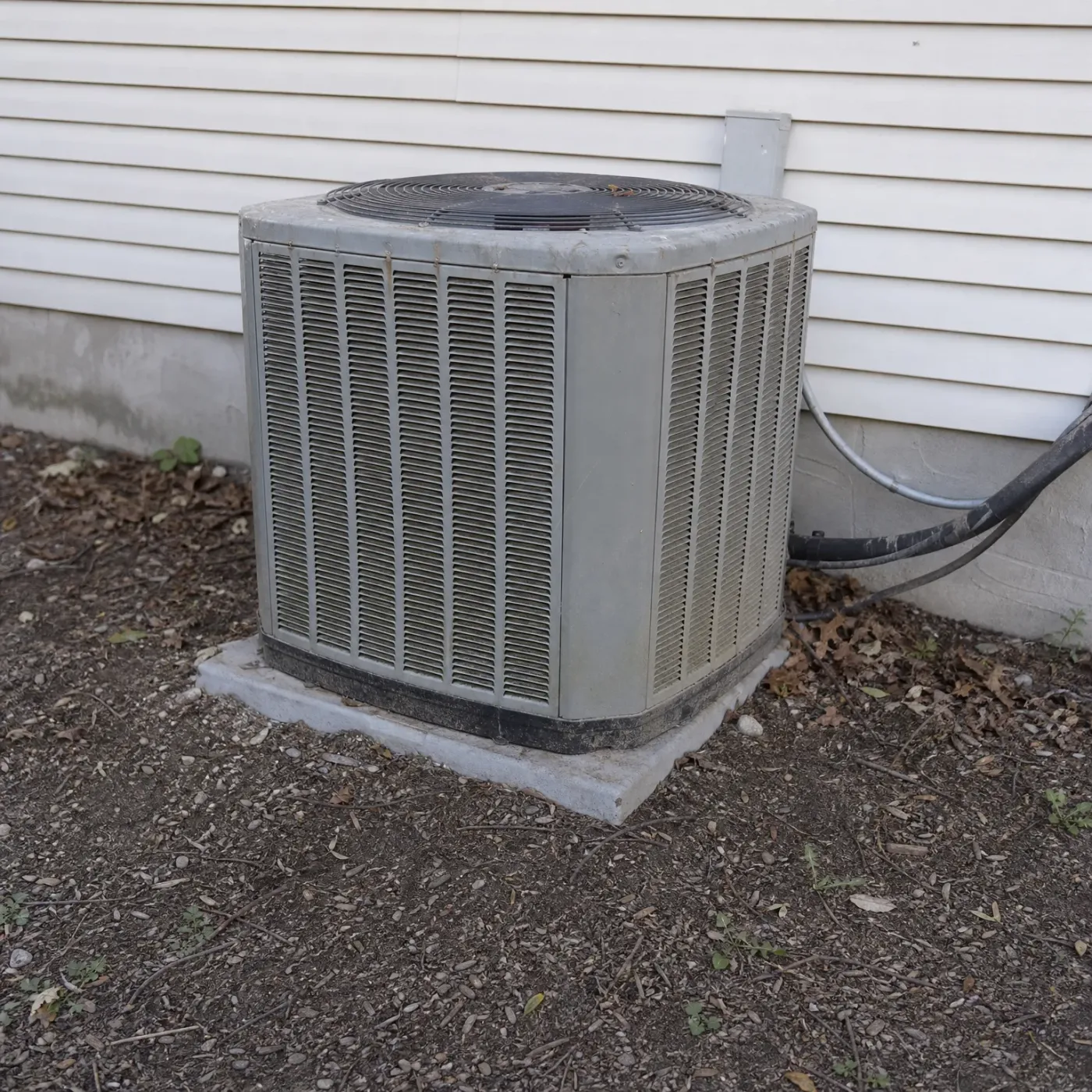
An outdoor air conditioner condenser unit on a concrete pad beside a house with light horizontal vinyl siding, surrounded by bare dirt, gravel and dry leaves, with refrigerant lines and conduit running along the wall.

Losing Ground

Leaves and dirt built up around the base choke off airflow before it ever reaches the coil. Add refrigerant lines that have sat exposed along the wall for years, and the unit has to work harder just to hold steady downstairs, let alone send enough cold air up to the second floor.

Why does the upstairs feel worse by bedtime?

You notice it most at night. The bedrooms hold the heat the house collected all afternoon, and the air coming out of the vents doesn't feel as cold as it does downstairs. You might hear the fan running when you go up to bed and still find the room sitting warm, the sheets slightly damp, the air heavier than it should be for air that's supposedly been cooled. A window unit or a fan in the corner is doing work the central system should be doing. Left alone, a system that runs long hours straining to cool a floor it can't reach wears down faster, and the parts carrying that load, the compressor especially, are the expensive ones to replace.

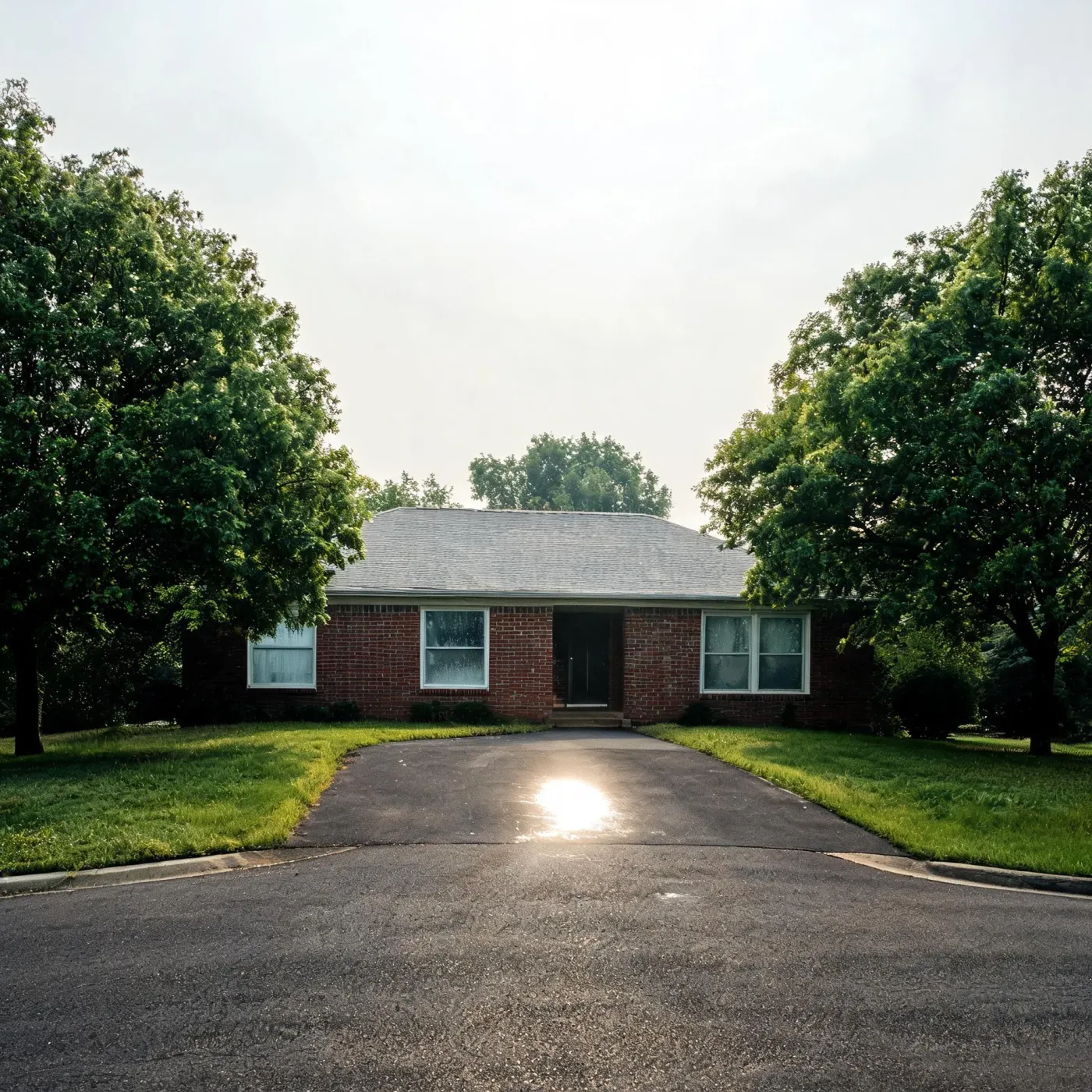
A single-story red brick ranch house with a gray shingled roof, white-framed windows and a central dark front door, fronted by a wide asphalt driveway, green lawn and large deciduous trees on both sides under a bright hazy sky.

Summer air here holds a dew point around 69°F, averaged across June, July and August, according to NOAA climate data. That's thick, sticky air, and your AC has to pull that moisture out before the house feels cool, not just drop the temperature. Upstairs, where airflow is already weaker, the unit can satisfy the thermostat downstairs without ever wringing enough humidity from the air up top. So the upper floor stays warm and heavy feeling even when the number on the wall looks fine. The coil is doing double duty, cooling and dehumidifying, and a second floor with less return air gets shorted on both.

NASA POWER T2MDEW county cells weighted by homes

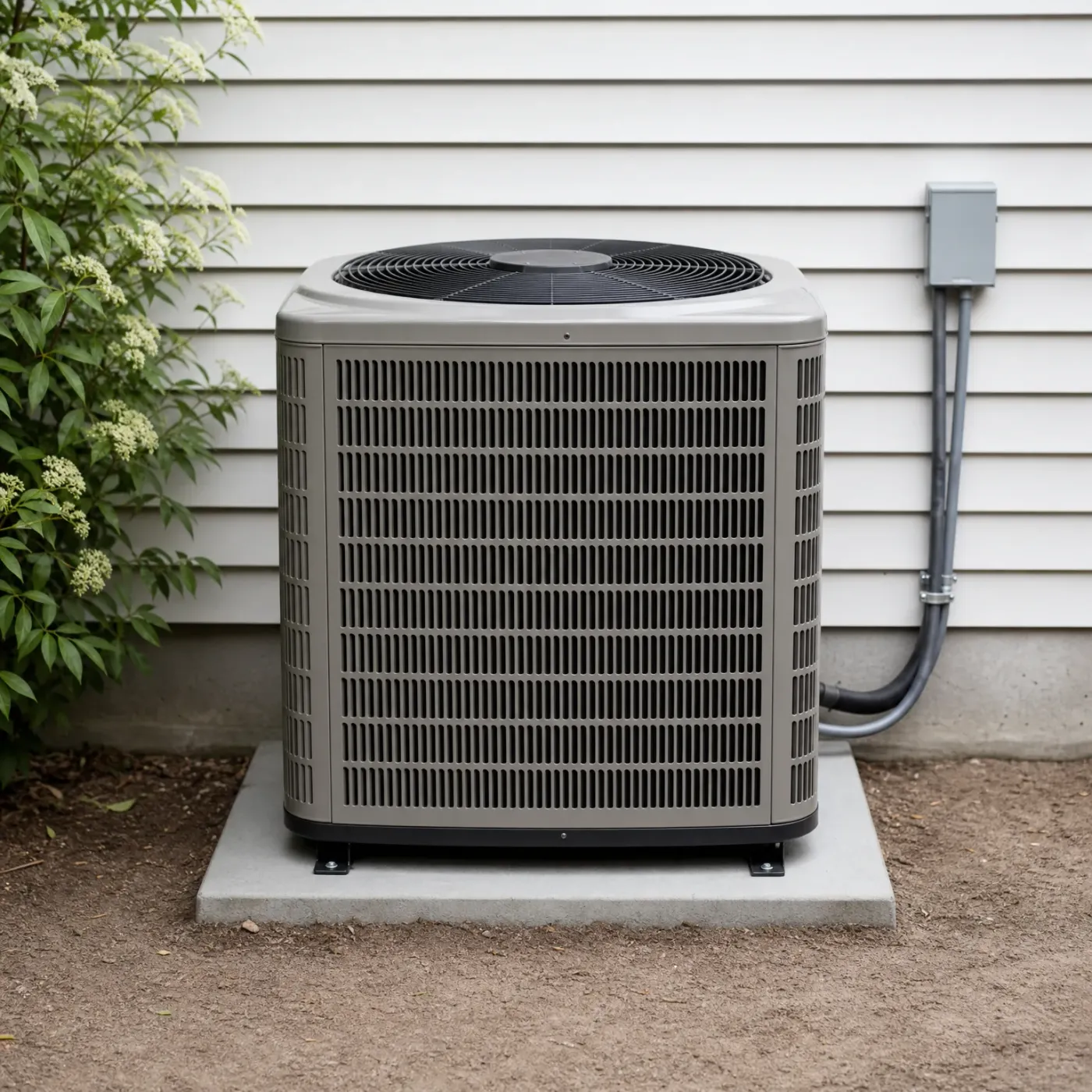
A gray outdoor air conditioner condenser unit on a concrete pad beside a house with dark horizontal siding and a stone base, surrounded by gravel, with a flowering shrub at left and a concrete walkway in front.
The pad is clear and the fins are clean, so the unit can actually move the air an upstairs room needs.
An outdoor air conditioner condenser unit sits on a concrete pad beside a stucco wall, with refrigerant lines and conduit running to the wall and a shrub to the left.
Grime packed into the fins blocks airflow, and a unit that can't shed heat struggles hardest on the hottest Alabama afternoons.

The Short Version

  • Hot air rises and a single downstairs thermostat shuts the system off before the upstairs ever cools.
  • Dirty coils, weak airflow to the second floor, and duct problems all make the gap between floors worse.
  • Alabama's thick summer air forces the system to work harder just to pull out moisture before it can cool anything.
  • A system that runs constantly without satisfying the upstairs is cycling more and driving the power bill up.
  • The fix depends on what a licensed technician finds, whether that's the thermostat setup, the coil, or the ductwork feeding that floor.
  • Nothing about the upstairs heat changes until someone with local experience looks at the actual equipment.

Your upstairs runs hot for reasons that stack on top of each other. Heat rises, and if one thermostat downstairs controls the whole house, the system shuts off once that one spot reads comfortable. It never checks the second floor. Add in a coil that's lost its airflow, or ducts that don't move enough air up to the bedrooms, and the gap between floors gets wider. Alabama doesn't make it easier. The air here carries so much moisture that your system has to wring that out before the house even starts to feel cooler, and that work falls hardest on the rooms already struggling to get enough airflow in the first place. None of this shows up as one clear problem. It shows up as a system that runs most of the afternoon, never quite catches up upstairs, and pushes the bill higher every month it goes unaddressed. The reasons can overlap: a thermostat that only reads one floor, a coil that needs cleaning, ductwork that was never sized to carry enough air up the stairs. Figuring out which one is yours, or whether it's more than one, takes someone standing in front of the equipment, not a guess from a search result. A technician who works on this kind of system in Alabama homes every summer has seen this exact complaint before and knows where to start looking. Until that happens, the upstairs stays the way it's been.

A woman with dark hair in a bun reclines on a sofa with her eyes closed, wrapped in a cream fleece blanket, a closed blue hardcover book resting in front of her, with a lit lamp and a vase of dried flowers in the background.
A smiling bearded man in a navy sweater sits at a candlelit dinner table with a glass of red wine, a bowl of salad, and plates of food in the foreground.

Air Conditioner Repair

Send one request and you're done looking

The pro who reaches out is licensed in Alabama.

A black-framed smartphone standing upright against a plain white background, its screen filled with solid green.
Step 1 of 3: Equipment